






The Sahyadri Crucible
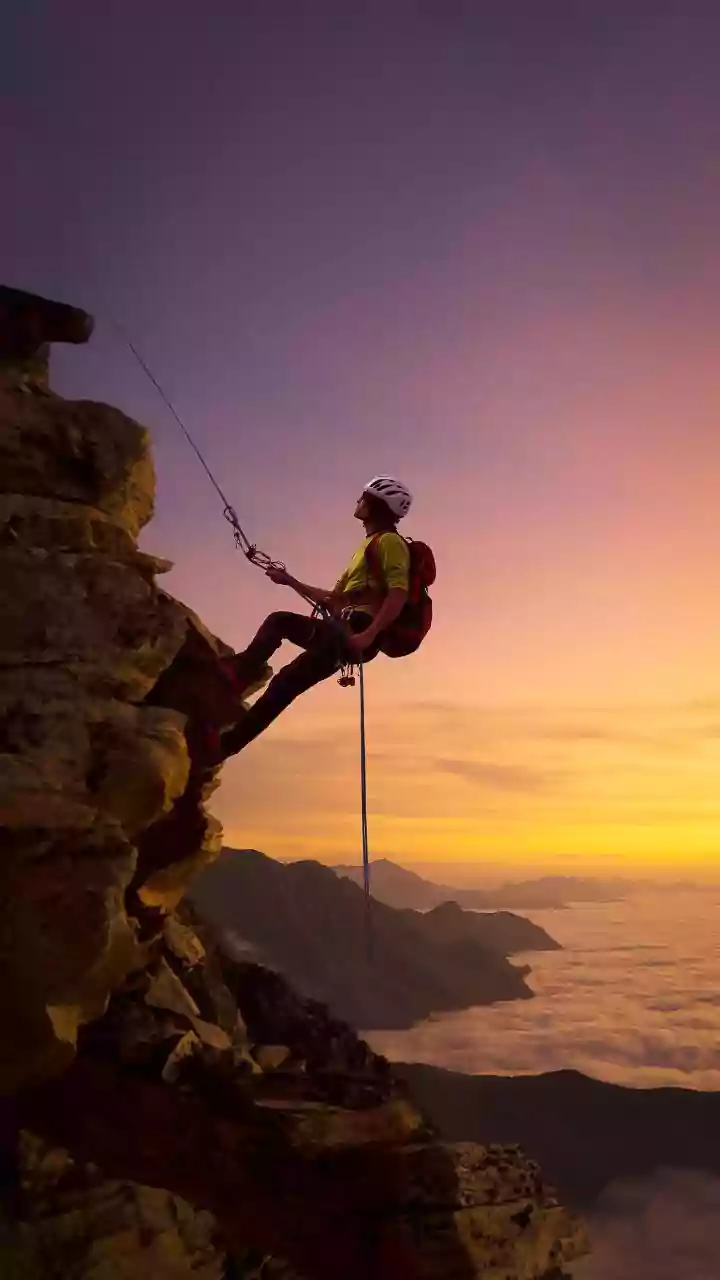
When the skies open up across India from June to September, most outdoor enthusiasts pack their gear away. But in the Western Ghats, particularly the ancient volcanic rock formations of the Sahyadris in Maharashtra, a different breed of adventurer emerges.
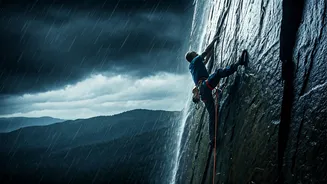
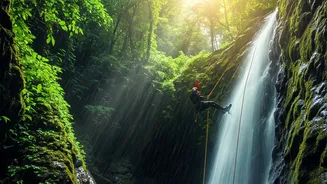
This is the heartland of monsoon climbing, a discipline that transforms the already demanding sport of rock climbing into a high-stakes battle against the elements. Here, climbers don’t just ascend rock; they ascend waterfalls, navigate treacherous moss, and contend with an environment that is actively trying to push them back down.
A Vertical Battle Against Water
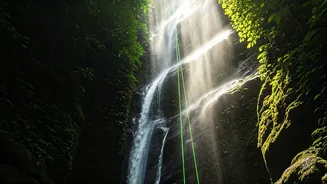
The most obvious challenge is the water itself. It’s everywhere. A dry, grippy rock face becomes a slick, unpredictable surface. Every crack and crevice that would normally offer a secure hold is now a potential water channel, coated in slippery algae. Climbers often find themselves ascending directly through rushing waterfalls, the sheer force of the water threatening to tear them from their holds. Gear becomes waterlogged and heavy. Ropes, which can lose a percentage of their strength when wet, become a source of anxiety. The simple act of seeing the route ahead is complicated by a constant curtain of rain. It’s not just climbing in the wet; it’s a form of aquatic vertical combat.
The Hidden Dangers
Beyond the slipperiness, the monsoon introduces a host of other hazards. The constant saturation of the rock and soil dramatically increases the risk of rockfall. Chunks of basalt that have been stable for years can suddenly break loose without warning. Gullies and approach routes can become deathtraps, prone to flash floods that surge with terrifying speed. Snakes, crabs, and scorpions, flushed from their homes, take refuge in the same cracks climbers need for their hands and feet. Add to this the ever-present risk of lightning strikes on exposed ridges and the insidious creep of hypothermia as wet climbers are battered by cold winds. Every element of the environment becomes a potential threat.
Mind Over Monsoon
The physical challenge is immense, but the psychological game is arguably tougher. Monsoon climbing requires a level of mental fortitude far beyond that of standard climbing. Every move is laden with doubt. Is this hold secure? Will my rope slip? Can I trust my gear? The sensory overload of pounding rain, roaring wind, and obscured vision can be disorienting and terrifying. It demands an almost meditative focus, an ability to block out the overwhelming chaos and concentrate solely on the few feet of rock directly in front of you. Experienced climbers speak of a heightened sense of awareness, where survival depends on listening to the mountain and trusting instincts honed over years of experience.
So, Why Do It?
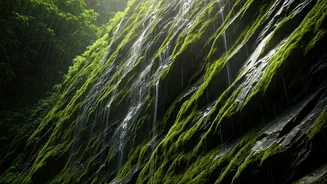
With such an array of dangers, the question is obvious: why? For those who practice it, the answer lies in the unique rewards. The Sahyadris transform during the monsoon into a landscape of breathtaking, otherworldly beauty. The barren brown hills explode into a vibrant, almost fluorescent green. Mist shrouds the peaks, creating a sense of isolation and wonder. To be on a rock face in these conditions is to experience nature at its most raw and powerful. It’s an escape from the mundane, a visceral test of one's skill, courage, and resilience. Conquering a route in the pouring rain offers a profound sense of accomplishment that fair-weather climbing can rarely match.