







What Exactly Are Seed Oils?
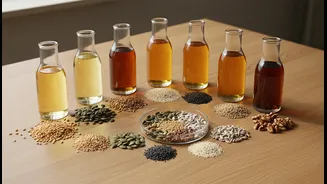
The term “seed oils” generally refers to vegetable oils extracted from the seeds of plants. Critics often point to a group they call the “hateful eight”: canola, corn, cottonseed, soy, sunflower, safflower, grapeseed, and rice bran oil. Unlike traditional
fats like olive oil or butter, these oils typically require industrial processing, often involving high heat and chemical solvents to extract the oil from seeds like soybeans or corn, which aren't naturally oily. This processing is what makes them affordable and gives them a neutral flavor and high smoke point, which is ideal for the high-volume deep frying common in restaurants. As a result, they are found in a vast array of packaged goods and are the default cooking oil in many fast-food chains and commercial kitchens.
The Core Health Concerns
The primary argument against seed oils centers on their high concentration of polyunsaturated omega-6 fatty acids, specifically linoleic acid. While omega-6 is an essential fatty acid that the body needs, critics argue that modern diets have created a significant imbalance, with people consuming far more omega-6 than omega-3 fats. This skewed ratio is linked by some to chronic inflammation. Another major concern is oxidation. The chemical structure of these oils makes them less stable, meaning they can easily oxidize when exposed to high heat—like in a deep fryer. This process can create harmful byproducts. It's this combination of industrial processing, omega-6 content, and instability under heat that fuels the skepticism.
A Trend Fueled by Social Media
The seed oil debate has been amplified massively by social media. Wellness influencers on platforms like TikTok and Instagram have adopted the cause, sharing lists of the “hateful eight” oils and framing the issue as a way to reclaim control over one’s health from “Big Food.” This narrative resonates deeply with a generation of young adults who are increasingly distrustful of processed foods and prioritize ingredient transparency. The movement gained significant traction around 2021 and has been a persistent topic in online health communities ever since. For many, avoiding seed oils has become a clear, actionable step toward a cleaner diet, even if the science is debated.
What the Mainstream View Is
It is crucial to note that the panic over seed oils is not universally supported by the scientific community. Major health organizations, including the American Heart Association and researchers at institutions like Harvard, argue that these claims are overblown. They state that, when replacing saturated fats like butter and lard, polyunsaturated fats from seed oils can actually be beneficial for heart health by helping to lower bad cholesterol. Many dietitians and scientists point out that dozens of studies have failed to find a consistent link between dietary omega-6 and inflammation in the body. The consensus view is often that the problem isn't the oils themselves, but the ultra-processed foods they are found in, which are also high in sugar, sodium, and refined carbohydrates.
How It's Changing Eating Habits
For the growing number of seed oil skeptics, this concern is actively changing behavior. Young consumers are increasingly checking ingredient labels and asking restaurant staff what kind of oil they use for frying. Some restaurants and food brands are taking notice, with chains like Sweetgreen advertising seed-oil-free menus and others promoting their use of olive oil, avocado oil, or even beef tallow. This trend is pushing a return to home cooking, where individuals have full control over their ingredients. Instead of commercial fried chicken, they might make their own at home using fats perceived as more stable and natural, like butter, ghee, or coconut oil. This shift reflects a broader desire for food transparency and a return to less processed, more traditional ways of eating.