





Understanding the Monsoon Withdrawal
The end of the monsoon isn't like flipping a switch; it's a slow, weeks-long process. Typically starting in mid-September in the northwestern states, the withdrawal line gradually moves southeast across the country, often not fully leaving the southern
peninsula until October or even later. This transitional period is marked by clearer skies but also a phenomenon known as 'October Heat'. As the cooling rains stop but the land remains moist, high humidity combines with rising daytime temperatures, creating an oppressive and uncomfortable climate in many regions before winter's coolness sets in.
What It Means for Daily Commuters
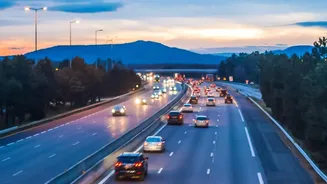
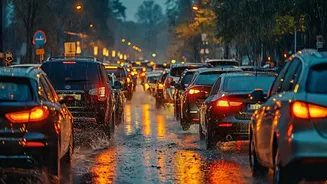
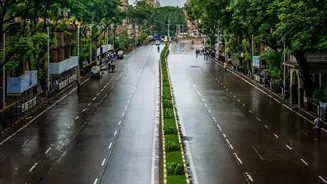
For daily commuters, the retreat of the monsoon is a mixed blessing. The most immediate benefit is the end of waterlogged roads, flooded underpasses, and rain-delayed local trains that plague cities like Mumbai and Delhi during peak monsoon. With clearer weather, travel times often become more predictable. However, the transitional period can still pose challenges. The 'October Heat' can make waiting for buses or walking to a metro station deeply uncomfortable. Furthermore, road infrastructure damaged during the heavy rains, such as potholes, may not be immediately repaired, continuing to cause traffic slowdowns even after the rain has stopped.
A Golden Window for Travellers
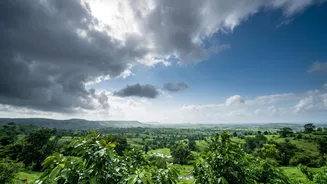
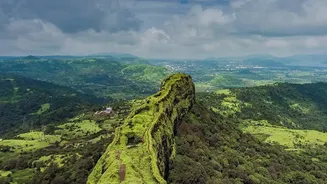
The post-monsoon season, from October to November, is widely considered one of the best times to travel in India. The landscape, freshly washed by the rains, is at its most vibrant and green. Skies are often exceptionally clear, offering stunning views in mountainous regions like Uttarakhand and Himachal Pradesh. Many national parks, such as Jim Corbett and Ranthambore, reopen their core zones around October 1 after being closed for the monsoon. Destinations in Rajasthan, Karnataka, and Goa become particularly pleasant. However, travellers should be mindful that some areas, particularly the southeastern coast including Tamil Nadu, enter their own rainy season during this time due to the northeast monsoon.
Priorities for Indian Households
For households, the end of the monsoon signals a shift from managing leaks to tackling the after-effects. The first priority is a thorough cleaning and drying. Damp walls, closets, and furniture are breeding grounds for mould, which can develop quickly in the lingering humidity. It's crucial to check for hidden moisture behind walls or under flooring, as it can cause long-term damage. This is also the time for pest control, as insects that thrived in the damp conditions may seek shelter indoors. Finally, inspecting and clearing out gutters and drains of debris accumulated during the monsoon is essential to prepare for the next season and prevent blockages.