





What is the Urban Heat Island Effect?
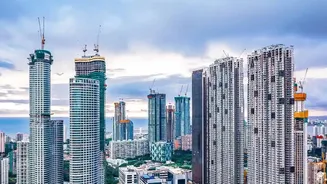
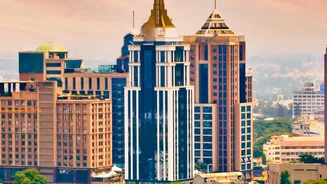
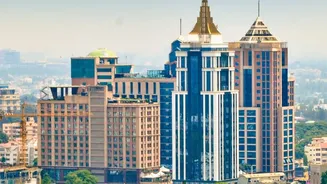
The Urban Heat Island (UHI) effect is a simple but powerful phenomenon: cities are significantly warmer than the surrounding rural areas. Concrete buildings, asphalt roads, and other dense construction materials absorb and retain the sun's heat far more
than natural landscapes like forests and fields. This stored heat is then slowly released back into the atmosphere, particularly after sunset. The result is that while rural areas cool down at night, urban centres remain stubbornly warm, with temperature differences sometimes reaching several degrees. This effect is amplified by waste heat from vehicles, air conditioners, and industrial activities, essentially trapping a bubble of warmth over the city.
The Tier 2 City Challenge
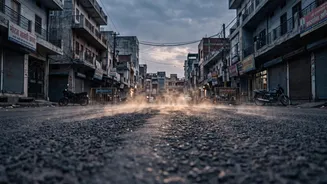
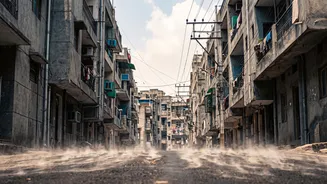
While much attention has focused on megacities, India's Tier 2 cities—like Lucknow, Jaipur, Pune, and Coimbatore—are emerging as critical hotspots for the UHI effect. These cities are experiencing rapid, often unplanned, urban expansion. Green spaces, wetlands, and agricultural land that once acted as natural air conditioners are being replaced by concrete at an alarming rate. This rapid development often outpaces the implementation of sustainable urban planning, such as creating public parks or preserving water bodies. For example, research has shown that Lucknow's land surface temperature rose by approximately 8°C over two decades due to urban sprawl. This rapid, less-regulated growth means Tier 2 cities are not only heating up but doing so without the mitigating infrastructure that larger metros are slowly beginning to adopt.
The Science of Why Heat Wrecks Sleep
The connection between heat and poor sleep is biological. To initiate and maintain deep, restorative sleep, your body's core temperature needs to drop slightly. Elevated nighttime temperatures, courtesy of the UHI effect, directly interfere with this natural cooling process. When your environment is too warm, your body struggles to shed heat, leading to more frequent awakenings, less time in the crucial deep sleep and REM stages, and a general feeling of restlessness. Studies confirm that even mild increases in ambient temperature can significantly reduce sleep quality and duration. A study focusing on informal settlements in Tier 2 Indian cities found that 42% of residents reported sleep disturbances specifically due to nighttime heat.
More Than Just Feeling Tired
The consequences of this heat-induced sleep loss go far beyond next-day grogginess. Chronic poor sleep is linked to a host of serious health problems, including a weakened immune system, cardiovascular stress, impaired cognitive function, and mental health issues like depression. The UHI effect disproportionately impacts vulnerable populations, such as the elderly, young children, and low-income households that may lack access to air conditioning or other cooling methods. For outdoor labourers or those in physically demanding jobs, the dual burden of daytime heat exposure and poor nighttime recovery can create a dangerous cycle of fatigue and health decline.
Cooling Our Concrete Jungles
The challenge is significant, but solutions exist. The most effective strategies involve re-introducing nature into the urban fabric. Planting more trees for shade and evapotranspiration, creating green roofs and walls, and preserving parks and water bodies can dramatically lower local temperatures. Another key strategy involves 'cool surfaces'. Painting roofs with reflective white coatings can reflect more sunlight and absorb less heat, a simple yet highly effective measure. More advanced urban planning, like designing 'wind corridors' to improve air circulation, can also help dissipate heat. As Tier 2 cities continue to grow, integrating these sustainable practices isn't just an environmental goal; it's a critical investment in public health and quality of life.