






North India: Golden Triangle and Rajasthan
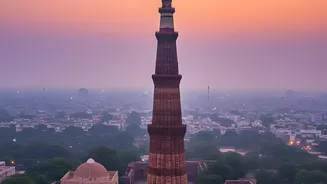
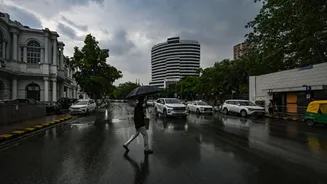
October marks the end of the monsoon in North India, ushering in a period of clear blue skies and pleasantly warm days. Destinations like Delhi, Agra, and the cities of Rajasthan (Jaipur, Jodhpur, Udaipur) become ideal for sightseeing. With daytime temperatures
hovering around 30-34°C and minimal rainfall, exploring majestic forts, palaces, and bustling markets is comfortable again. The intense heat of summer is gone, and the humidity drops significantly, creating perfect conditions for outdoor exploration. The land, refreshed by the rains, often looks greener than expected, especially around the Aravalli hills near Udaipur. This month is considered a 'shoulder season', offering great weather without the large crowds and peak-season prices of November and December.
The Himalayas: Clear Vistas and Crisp Air
For mountain lovers, October is arguably the best time to visit the Himalayan foothills. States like Himachal Pradesh and Uttarakhand are post-monsoon perfection, with the rains having washed the dust from the air, revealing stunningly clear views of the snow-capped peaks. The weather is dry and stable, making it a prime month for trekking and adventure activities like river rafting in Rishikesh. Higher altitude regions like Lahaul and Spiti are typically accessible in early October before winter snows close the passes. The air is crisp, and the landscapes are a vibrant green. It's also apple harvesting season in parts of Himachal, adding a unique cultural layer to your trip. While days are sunny, be prepared for chilly nights, especially at higher elevations.
South India: Navigating the Retreating Monsoon
The weather story in the South is more complex. While the southwest monsoon has withdrawn, October marks the beginning of the northeast (or retreating) monsoon, particularly affecting the southeastern coast. States like Tamil Nadu and parts of Andhra Pradesh receive significant rainfall during this time. However, this doesn't mean the entire region is off-limits. Kerala, on the southwestern coast, is exceptionally beautiful. The backwaters are full, and the tea plantations in places like Munnar are a brilliant, lush green after months of rain. You may encounter occasional showers, but they are typically not the persistent downpours of the main monsoon season. It's a great time for wellness retreats and enjoying the verdant scenery.
West and Central India: Green Ghats and Reopening Parks
In Western and Central India, the heavy rains are over, but the landscape retains a vibrant, green glow. In Goa, October is the sweet spot that marks the start of the tourist season. The beaches are clean, the shacks begin to reopen, but the peak-season crowds have yet to arrive, and accommodation is more affordable. In Maharashtra, the Western Ghats are still lush, perfect for drives to hill stations like Lonavala. Further inland, many national parks in Central India, such as those in Madhya Pradesh, reopen in October after being closed for the monsoon, offering fresh opportunities for wildlife safaris. The weather is generally hot but pleasant, with temperatures around 30°C and very little rain.
East and Northeast India: Festivals and Waterfalls
Eastern India, especially West Bengal, is vibrant in October, primarily due to the grand celebrations of Durga Puja in Kolkata. The weather is typically warm and dry, making it a fantastic time for cultural immersion. In the Northeast, the monsoon's effects linger longer. While the heaviest rains are over, the region remains incredibly green, and waterfalls are in full flow. Meghalaya, known for its living root bridges and dramatic landscapes, can still be explored, though you should be prepared for some rain. The weather gets progressively better as the month goes on, revealing lush hills and full rivers.