



A Strong Festive Foundation
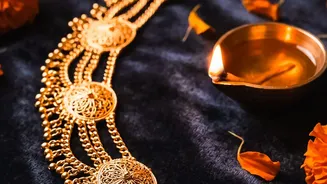
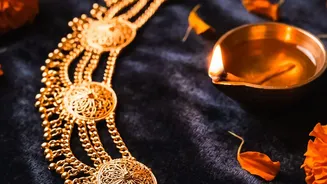
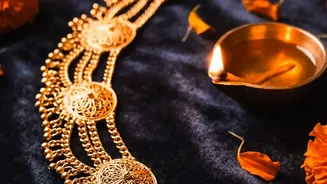
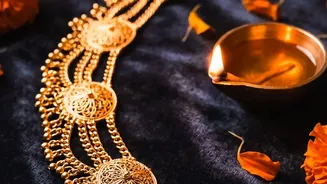
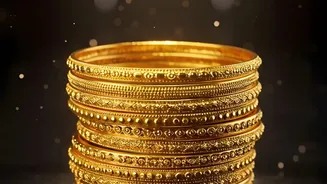
The recent Dhanteras and Diwali festivals provided a significant boost to gold sales across the country. According to the All India Gem and Jewellery Domestic Council (GJC), gold sales during Dhanteras 2026, which fell on November 6, were estimated to be around
₹60,000 crore, marking a 15-20% rise in value compared to the previous year. The India Bullion and Jewellers Association (IBJA) noted a substantial 30% increase in gold demand by volume during the festive period. This surge was partly driven by a correction in gold prices from their earlier peaks in 2026, which encouraged consumers who had been waiting on the sidelines to make their purchases. Jewellers reported that this festive buying spree set a positive tone for the next major driver of demand: the wedding season.
The Unwavering Pull of Wedding Season
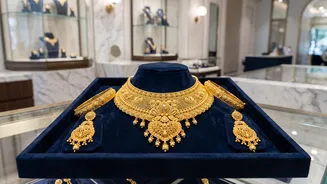
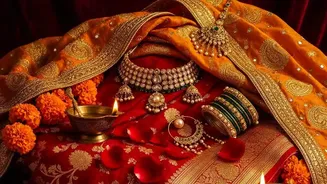
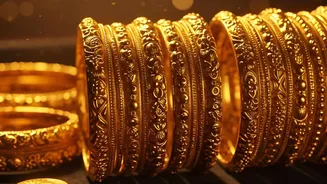
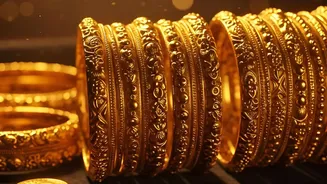
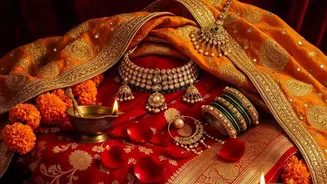
In India, weddings are the single largest driver of gold demand, accounting for approximately half of the country's annual consumption. The primary wedding season traditionally kicks off after Diwali, with auspicious dates beginning from Dev Uthani Ekadashi on November 20, 2026. This period sees families purchase significant quantities of gold for bridal jewellery, which is considered a vital part of the trousseau, a symbol of heritage, and a form of financial security. The demand for heavy, traditional 22-karat bridal sets remains resilient, even in the face of high prices. This cultural imperative ensures a steady stream of demand that jewellers and the market prepare for months in advance.
The Smart Strategy of Advance Booking
To manage the high costs and price volatility, a growing number of families are turning to advance booking schemes offered by major jewellers. These 'rate-locking' mechanisms allow customers to pay a deposit to secure their jewellery at the current day's gold rate. According to retailers like Joyalukkas and others, if the price of gold increases by the time the customer takes delivery, they pay the lower, locked-in rate. If the price falls, they benefit from the new, lower rate. This strategy protects buyers from potential price surges as the wedding season rush begins. Jewellers have reported strong interest in these schemes, which help sustain demand by giving consumers a sense of control and confidence in their high-value purchases.
Price Volatility and Consumer Behaviour
While festive buying was strong, gold prices have been on a rollercoaster in 2026. After peaking earlier in the year, prices saw a welcome correction ahead of Dhanteras, boosting consumer sentiment. On Dhanteras (November 6), 24-karat gold was priced around ₹1,46,165 per 10 grams. However, in the days following, prices have dipped further, influenced by a stronger US dollar and expectations of interest rate hikes by the US Federal Reserve. As of November 16, the price was around ₹1,40,386 per 10 grams. This volatility encourages strategies like advance booking and staggered purchases. Consumers are also adapting by opting for lightweight jewellery for non-essential pieces and exchanging old gold to offset costs.
The Broader Economic Picture
The demand for gold in India is a complex interplay of cultural tradition and economic reality. While wedding purchases remain a constant, overall buying behaviour is still sensitive to price. The World Gold Council noted that while jewellery demand by volume dipped in the third quarter of 2026 compared to the previous year, its value increased due to higher prices. The industry remains cautiously optimistic, expecting resilient wedding-related buying to support demand through the end of the year and into early 2027. The trend also reflects a bifurcation in the market: while high-value bridal purchases continue, there is also a growing preference for more affordable lightweight and lower-karat (18K or 14K) jewellery for other occasions.