


Beyond Sun, Sand, and Sea
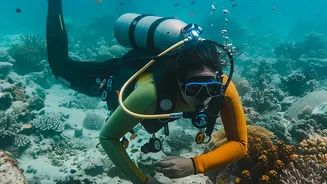
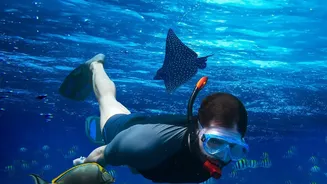
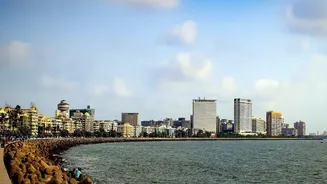
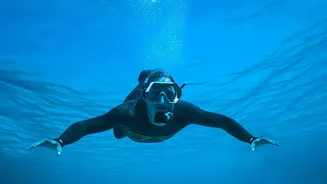
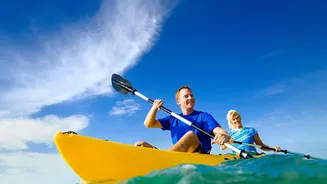
For decades, coastal travel in India has largely meant beach holidays. But marine tourism represents a much broader and more dynamic sector. It encompasses everything from large-scale cruise shipping and yachting to niche adventure activities like scuba
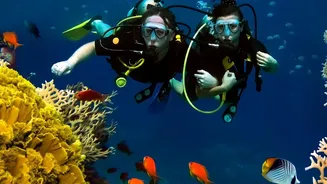
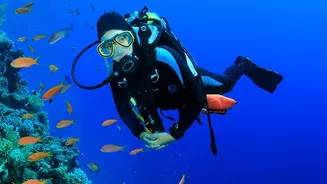
diving, snorkeling, kayaking, and surfing. This emerging industry aims to leverage India’s extensive network of ports, islands, and rich marine biodiversity to create new experiences for travellers. The goal is to move beyond seasonal beach visits and develop a year-round travel circuit that offers adventure, leisure, and unique ecological encounters, transforming the coast into a multi-faceted destination. This shift is fueled by a growing appetite for experiential travel, especially among younger generations seeking more than just a relaxing holiday.
The Government's Maritime Vision
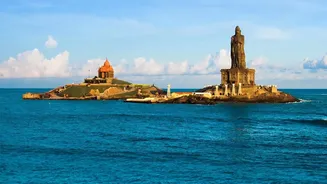
The Indian government is actively promoting this shift through ambitious initiatives. The Sagarmala Programme, a flagship project of the Ministry of Ports, Shipping and Waterways, is central to this effort. While its primary focus is on improving logistics, a key component is developing coastal communities through tourism. This includes the development of cruise terminals, lighthouse tourism, and infrastructure for water sports. For instance, 75 lighthouses have already been developed as tourist attractions. Furthermore, the 'Cruise Bharat Mission,' launched in late 2024, aims to significantly boost cruise passenger traffic by developing dedicated circuits in states like Gujarat, Goa, and Kerala, connecting major port cities. These policies are designed to create the necessary infrastructure to attract both domestic and international tourists, providing a structured framework for the sector's growth.
Diving into New Opportunities
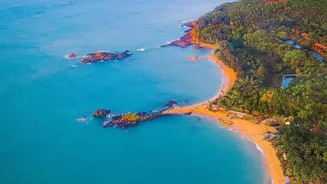
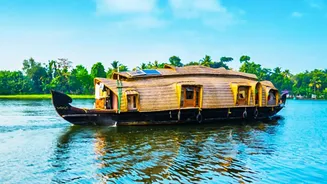
Several destinations are already emerging as hubs for specific marine activities. The Andaman and Nicobar Islands, with their vibrant coral reefs and clear waters, are becoming a premier destination for scuba diving and snorkeling. Similarly, the pristine lagoons of Lakshadweep offer world-class conditions for these activities, attracting significant tourist interest. Along the mainland, states like Goa, Maharashtra, and Tamil Nadu are capitalizing on the demand for jet skiing, parasailing, and surfing. The backwaters of Kerala provide a serene setting for kayaking and houseboat cruises. This diversification not only provides travellers with more choices but also stimulates local economies by creating jobs in hospitality, equipment rental, and as certified guides and instructors, often providing alternative income for traditional fishing communities.
The Challenge of Sustainable Growth
However, the expansion of marine tourism comes with significant responsibilities. The very ecosystems that attract tourists—coral reefs, mangroves, and coastal habitats—are fragile. Unregulated development, pollution from tourist activities, and overcrowding pose serious threats. For example, some parts of Goa have already experienced environmental strain due to uncontrolled tourism growth. The key to long-term success lies in sustainable practices. This includes implementing carrying capacity limits to prevent over-tourism, enforcing strict waste management rules, and promoting community-led ecotourism projects that give local populations a stake in conservation. Regulatory bodies like the National Coastal Zone Management Authority are tasked with ensuring development aligns with environmental standards, but effective enforcement and community involvement are crucial for protecting these valuable natural assets for future generations.