






Understanding Your Internal Body Clock
Every person operates on an internal 24-hour cycle known as the circadian rhythm. This biological clock, located in the brain, regulates our sleep-wake cycle, hormone release, and other bodily functions. Its primary cue is light. When your eyes detect
light, especially the blue light found in sunlight and electronic screens, your brain receives a powerful signal to stay awake and alert. Conversely, darkness signals the production of melatonin, a hormone that prepares your body for sleep. For shift workers, this natural process is inverted, causing a mismatch that makes it difficult to sleep during the day and stay alert at night.
The Problem with Modern Lighting
The challenge for shift workers is that our modern world is filled with artificial light that mimics daylight. Standard LED and fluorescent bulbs, as well as the screens on our phones, tablets, and televisions, are rich in blue light. Exposure to this light after a night shift tells your brain it's time to be awake, actively suppressing the melatonin your body needs to wind down. This can significantly delay sleep onset and reduce the amount of time you spend in deep, restorative sleep stages. Even brief exposure to bright light on the commute home or in your house can be enough to disrupt your sleep.
Harnessing the Power of Warm Light
The key to improving sleep is to manage your light environment to better align with your desired sleep schedule. This means minimising exposure to blue light and embracing warmer, dimmer light in the hours before you plan to sleep. Red, orange, and amber-hued lights have longer wavelengths and are less disruptive to melatonin production. In fact, some studies show that red light can support sleep and may even help improve alertness upon waking without disturbing your circadian rhythm. The goal is to simulate the sunset, signaling to your body that the “day” is ending and it is time to prepare for rest, even if it’s 9 AM.
Actionable Steps for Better Sleep
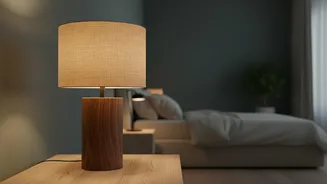
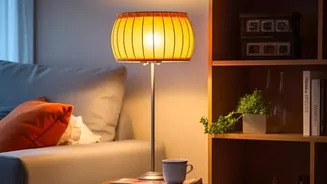
Making strategic changes to your lighting is simple and effective. On your way home from a night shift, wear dark, wraparound sunglasses to block out daylight. Once home, avoid bright overhead lights. Instead, use dim lamps with warm-toned bulbs. Consider installing 'smart bulbs' that allow you to change the colour temperature and brightness from your phone. Many devices also have a 'night mode' or 'comfort view' that reduces blue light emission; make sure this is activated. For an extra layer of protection, blue-light-blocking glasses with amber or red lenses can be worn in the 1-2 hours before bed to filter out disruptive wavelengths.
Creating a Sleep-Friendly Sanctuary
While lighting is a crucial component, it works best as part of a comprehensive sleep strategy. Make your bedroom a cave-like environment for daytime sleep. Invest in thick blackout curtains to block all incoming sunlight. Cover or unplug any electronic devices with small LED indicator lights. A comfortable eye mask can also be a low-cost tool to ensure total darkness. Try to maintain a consistent sleep schedule, even on your days off, to help your body clock adjust. By combining a dark sleep space with mindful light exposure before bed, you give your body the clear, consistent cues it needs to achieve deeper, more restorative sleep.