





Your Gut: A Bustling Inner World
Before we dive into the study, let's talk about the gut microbiome. Think of it as a bustling city of trillions of tiny organisms—bacteria, fungi, and viruses—living inside your digestive system. This microscopic community is essential for your health.
It helps digest food, produces crucial vitamins, protects against harmful germs, and even influences your immune system and mood. For a long time, we’ve known that diet and genetics play a role in shaping this inner world. But new research focusing specifically on South Asian populations is revealing a much more complex and fascinating picture.
The Landmark SAMBAR Study
An international team of researchers embarked on a groundbreaking project called the South Asian MicroBiome ARray, or SAMBAR. They studied the gut microbiomes of 575 adults from ten different communities across India and Sri Lanka. This wasn't just a random sample; the researchers cleverly compared people from the same genetic backgrounds who lived in either their ancestral rural villages or in modern urban centres. This unique approach allowed them to isolate the effects of lifestyle and environment from genetics, providing clear insights into how our modern lives are reshaping our biology from the inside out.
The Urban-Rural Gut Divide
One of the most significant findings was the clear difference between the gut microbiomes of people living in rural versus urban areas. Individuals in rural settings, who often eat fresh, high-fibre, farm-to-table diets, were found to have a greater diversity of gut microbes. Their guts were richer in bacteria that produce beneficial compounds like butyrate, which helps reduce inflammation. In contrast, their urban counterparts, who are more exposed to processed foods and a 'Westernized' diet, showed a different microbial profile. This urban gut profile often had a higher ratio of certain bacteria that have been linked to a greater risk of metabolic diseases like obesity and diabetes.
It’s Not Just What You Eat, but Where
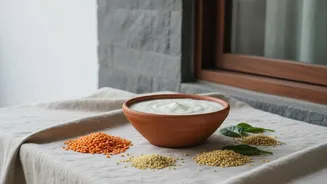
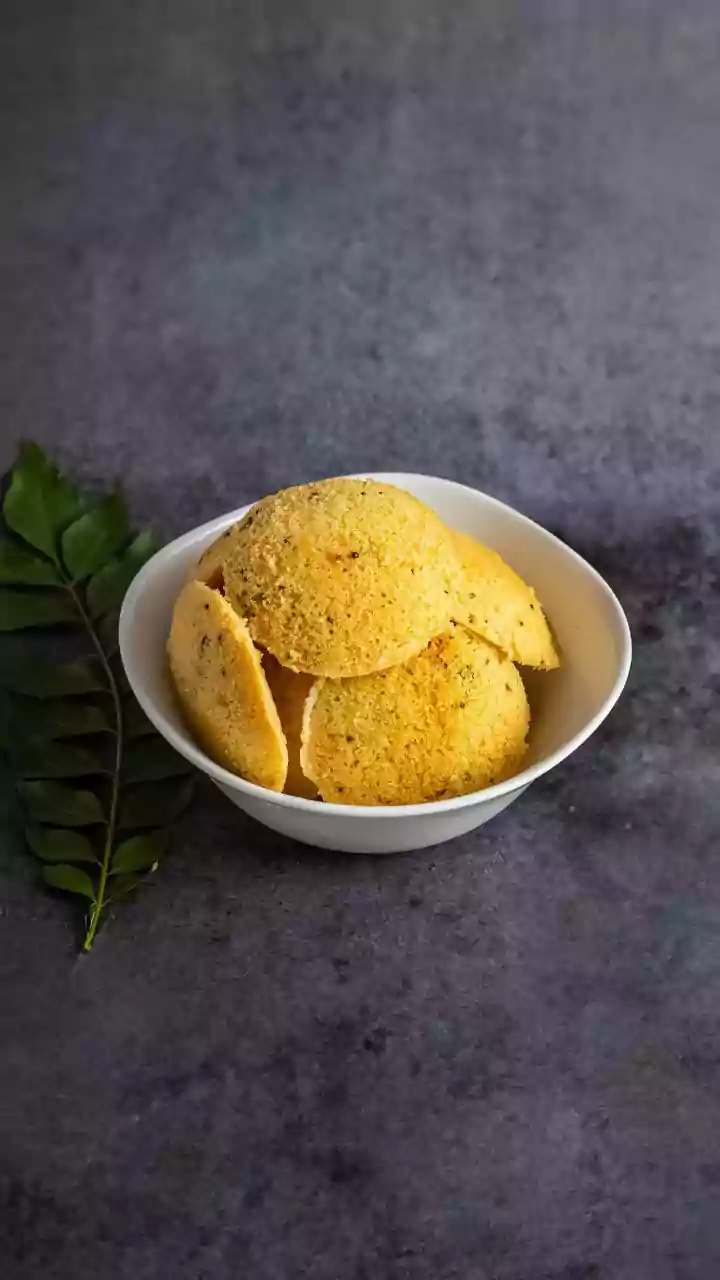
Interestingly, the study found that geography and community affiliation had an even stronger influence on the gut microbiome than lifestyle alone. This suggests that local environments, cultural practices, and regional dietary staples play a massive role. For instance, the traditional Indian diet, rich in fibre from plants, lentils, and whole grains, promotes the growth of bacteria like Prevotella. Spices like turmeric and fermented foods such as curd and idli also contribute to a unique and diverse microbial signature that is distinct from Western populations. As people move to cities, this signature begins to change, often reflecting a loss of beneficial, traditional microbes.
Why This Matters for Your Health
This research is more than just an academic exercise; it has real-world implications for the health of South Asians, a population facing a rising tide of non-communicable diseases. The study reinforces that the gut microbiome is a key middleman between our genes and our environment. The transition to urban life and the loss of microbial diversity are associated with an increased risk of cardiometabolic disorders. The findings from the SAMBAR project underscore the need for health and dietary advice tailored specifically to South Asian populations, rather than relying on generic recommendations developed from studies on Westerners. Our microbial makeup is unique, and our health strategies should be too.