






An Invisible Contaminant in the Cart
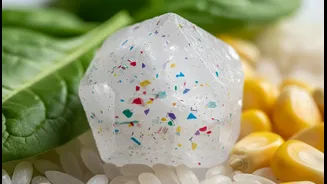
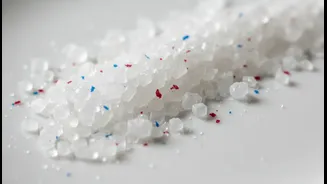
First, what exactly are we talking about? Microplastics are tiny plastic particles, typically smaller than five millimeters, that result from the breakdown of larger plastic products like bottles, bags, and textiles. They are now ubiquitous in our environment,
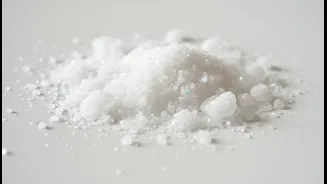
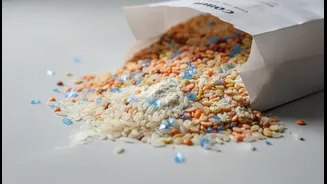
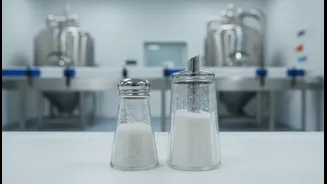
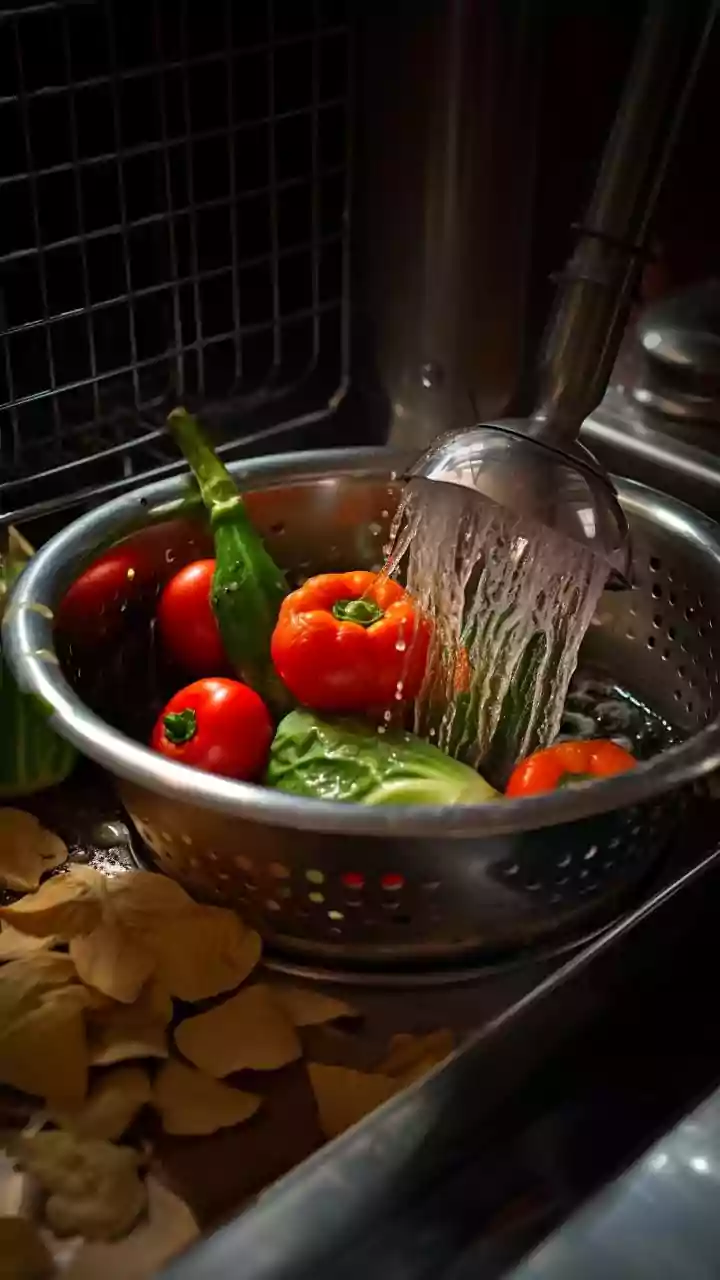
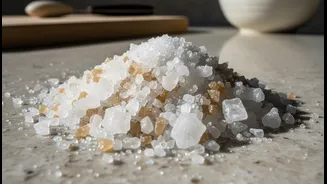
found in oceans, soil, and even the air we breathe. From there, they inevitably enter the food chain. Studies have found these minuscule fragments in a startling array of grocery staples. It’s not just seafood, which has long been a known source. Research has confirmed the presence of microplastics in salt, honey, beer, and even bottled water. Some of the most surprising findings involve fresh produce; studies have shown that plants like carrots and apples can absorb nanoplastics through their roots from contaminated soil and water.
The Online Clean-Eating Reckoning
The discovery of microplastics in fundamental foods has sent a shockwave through online clean-eating communities. For a subculture built on the ideal of purity and controlling what enters the body, the idea of an unavoidable contaminant is a significant challenge. Online searches and social media conversations about microplastics have surged since 2023, shifting from a focus on environmental impact to personal health risks. On platforms like Instagram and Reddit, influencers and everyday users who once posted about the benefits of organic produce and avoiding processed foods are now grappling with a more complex reality. The conversation has pivoted to questions about the safest types of food packaging, the effectiveness of water filters, and whether it's even possible to eat 'clean' anymore. This has created a sense of anxiety and, for some, a feeling of futility, as the problem seems too big to solve with individual shopping choices alone.
From Personal Purity to Systemic Problem
This new awareness is reshaping what it means to be a health-conscious consumer. While the initial focus of clean eating was on personal choice and discipline, the microplastics issue highlights a systemic pollution problem. You can buy the most pristine-looking organic apple, but you can't control whether it has absorbed plastics from the soil. This realization is pushing some online discussions beyond individual diet hacks and toward broader calls for corporate and governmental action. The focus is expanding from simply 'eating clean' to demanding a 'cleaner environment' to grow food in. The health implications, while still being heavily researched, are a major driver of this concern. Studies have linked microplastic exposure in animals and human cells to issues like inflammation, immune system disruption, and metabolic changes.
Can You Reduce Your Exposure?
While completely avoiding microplastics is likely impossible in the modern world, experts suggest several practical steps to reduce exposure. One of the biggest sources is plastic packaging and containers, especially when heated. Simple measures include storing food in glass or stainless steel containers, avoiding microwaving food in plastic, and choosing loose produce over pre-packaged options. Studies have shown that bottled water can contain significantly more microplastics than tap water, so filtering tap water is a recommended alternative. Additionally, research suggests that washing rice before cooking can reduce its plastic content. Highly processed foods also tend to contain more microplastics than their unprocessed counterparts, reinforcing the clean-eating principle of sticking to whole foods where possible.