





What Exactly Are Microplastics?
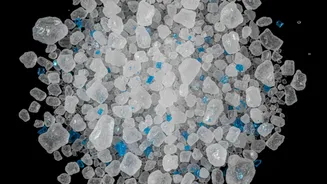
Microplastics are tiny plastic fragments less than 5 millimetres long. They come from larger plastic items like bottles, bags, and containers that break down over time. These particles have been found across the globe, from our oceans and soil to the food
we eat and the water we drink. Studies have detected them in a wide range of products, including salt, sugar, seafood, and even fruits and vegetables. While completely avoiding them is nearly impossible, the kitchen is a key area where we can significantly reduce our exposure through mindful choices.
Rethink Your Grocery Run
Your journey to a lower-plastic kitchen starts at the store. Many pre-packaged goods increase the risk of microplastic contamination. Highly processed foods, for instance, tend to have higher levels of microplastics due to the multiple stages of production. Whenever possible, opt for fresh, loose produce instead of fruits and vegetables wrapped in plastic. Carrying your own cloth or jute shopping bags is a classic Indian habit that is more relevant than ever. Also, consider bringing your own reusable containers to stores that allow you to buy staples like grains, lentils, and spices in bulk, further reducing the need for single-use packaging.
A Kitchen Storage Makeover
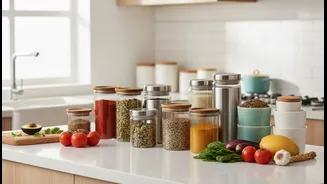
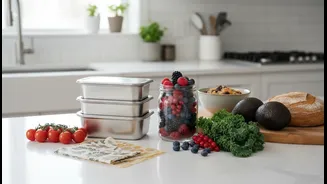
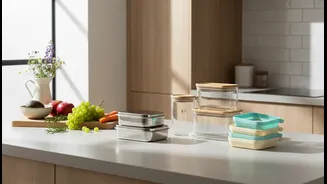
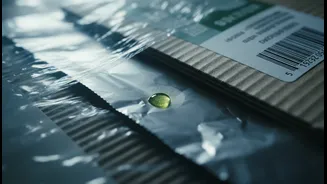
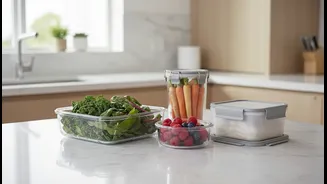
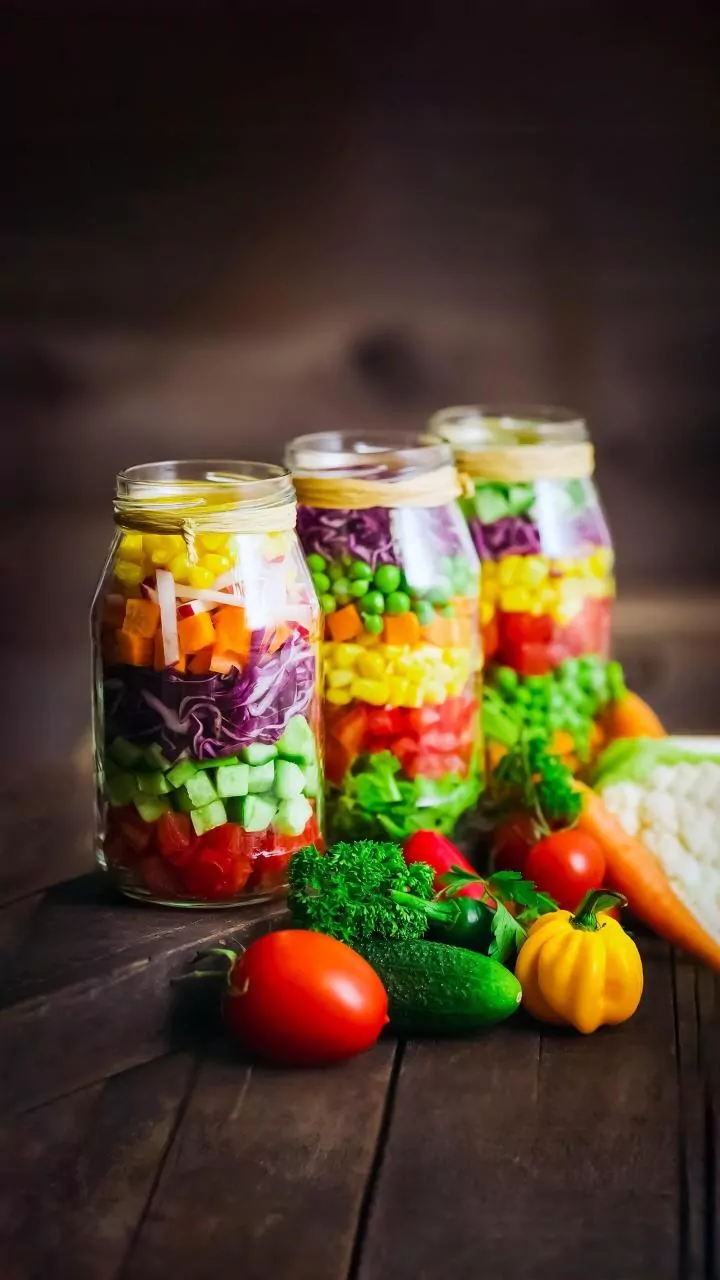
How you store food is just as important as how you buy it. Plastic containers and cling wrap are convenient, but they can shed particles into your food, especially when they are old, scratched, or heated. This is a great opportunity to switch to safer, more durable alternatives that are common in many Indian households. Glass jars and stainless steel containers (or ‘dabbas’) are excellent for storing everything from leftovers to dry goods. They are non-reactive, last longer, and won't leach chemicals or plastics into your food. For covering bowls, beeswax wraps are a reusable alternative to plastic cling film.
Cookware and Cooking Habits Matter
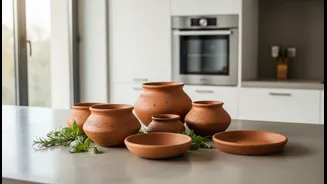
Heat can accelerate the release of microplastics. Never microwave food in plastic containers. Instead, transfer it to a glass or ceramic dish first. Your choice of cookware also plays a role. Scratched non-stick pans can release thousands or even millions of plastic particles over their lifetime. Similarly, plastic utensils like spatulas can degrade with heat and use. Consider investing in long-lasting cookware made from stainless steel, cast iron, or glass. Using utensils made of wood, bamboo, or stainless steel is another simple but effective swap to lower your daily exposure.
The Cutting Board Connection
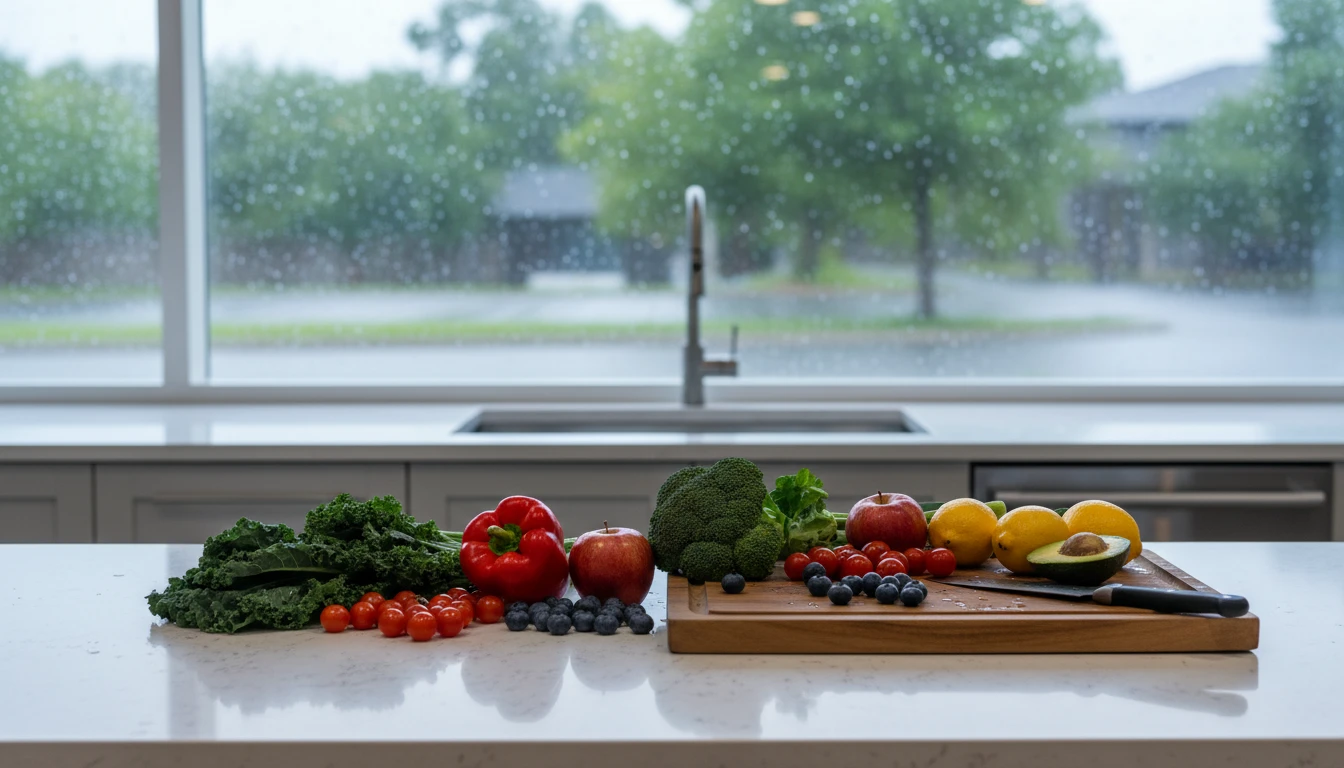
One of the most overlooked sources of microplastics in the kitchen is the humble cutting board. Studies have shown that chopping on a plastic cutting board can release tens of millions of microplastic particles into your food each year. The friction from the knife, especially if it's dull, scrapes tiny fragments from the board's surface that mix directly with your ingredients. A simple and effective switch is to use a wooden or bamboo cutting board. These materials are naturally durable and do not pose the same risk of shedding plastic into your meals.