

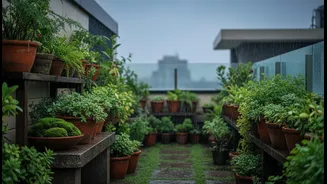



Understanding Climate-Friendly Gardening
Creating a climate-friendly garden isn't about complex techniques; it's about smart choices. In the Indian context, this means selecting plants that are naturally suited to our diverse and often extreme weather. These are plants that can withstand intense
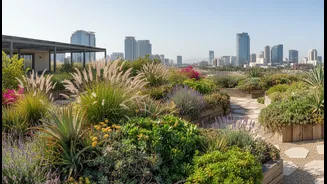
summer heat, require less water, and are resilient to periods of drought. By choosing native or drought-tolerant species, you conserve precious water resources and reduce the need for chemical fertilisers and pesticides. These plants are already adapted to local soil and climate, making them low-maintenance heroes for any urban gardener. Furthermore, a garden filled with these resilient species helps cool the surrounding air through a natural process called transpiration and supports local biodiversity by providing food and shelter for pollinators like bees and butterflies.
Drought-Tolerant Beauties
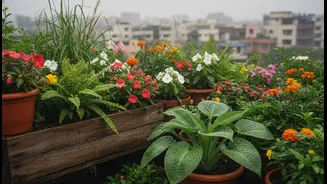
The champions of a climate-friendly terrace are plants that thrive on sunshine and don't fuss about a missed watering session. Bougainvillea is a classic choice, bursting with vibrant colours like magenta, orange, and white when you water it less. Its hardy nature makes it perfect for sunny walls and large pots. Similarly, Adenium, also known as the Desert Rose, boasts a swollen trunk that stores water and produces stunning trumpet-shaped flowers with minimal care. For a splash of cheerful colour, consider Portulaca (Moss Rose), a succulent that carpets itself in jewel-toned blooms and laughs in the face of summer heat. Lantana is another tough, sun-loving shrub that produces beautiful flower clusters and attracts butterflies.
Native and Low-Maintenance Heroes
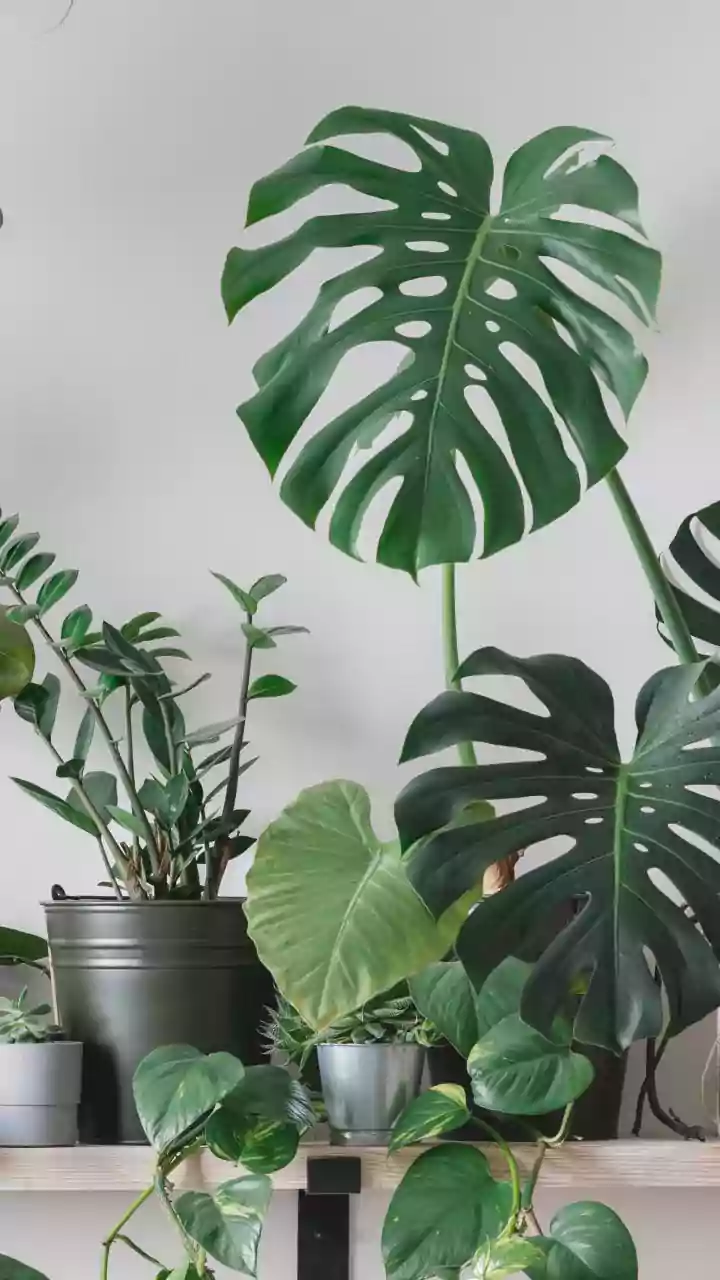
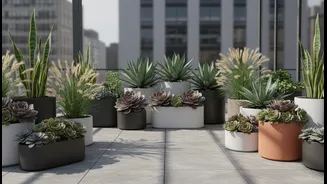
Embracing native plants is one of the most effective ways to build a sustainable garden. Plants like Marigold (Genda) are not only culturally significant but are also incredibly easy to grow, tolerant of heat, and act as natural pest repellents. The intoxicating fragrance of Jasmine (Mogra) can fill your evenings, and it thrives in the Indian summer. For greenery that asks for very little, you can't go wrong with succulents like Aloe Vera and the Jade Plant, or the almost indestructible Snake Plant, which is also a powerful air purifier. Holy Basil (Tulsi) is another must-have; it's revered, medicinal, and grows easily with little water.
Designing for Relaxation and Resilience
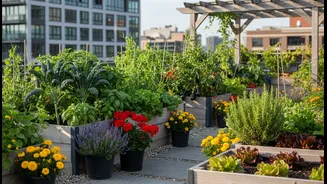
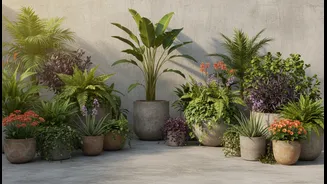
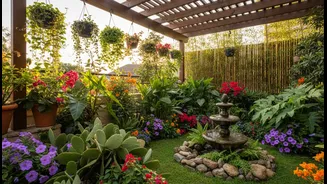
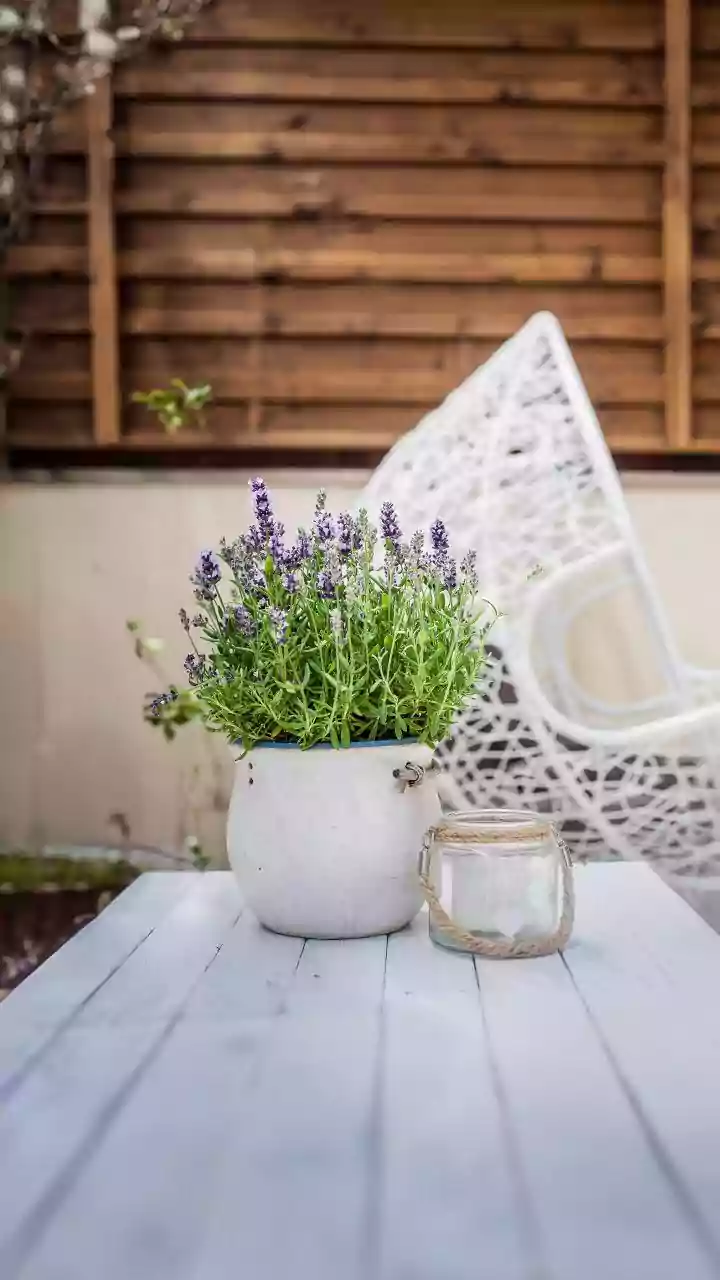
A relaxing terrace is about more than just plants; it's about creating a holistic experience. Arrange your pots to create cosy corners and visual interest. Use vertical spaces by installing trellises for climbers or setting up a green wall. Incorporate comfortable seating, perhaps a simple bistro set or an outdoor rug with cushions for a bohemian feel. Soft lighting from string lights or lanterns can transform the mood in the evenings, making your terrace an inviting haven after sunset. Grouping pots together rather than spacing them out can create a lush, feature zone and a more impactful green statement.
Smart Watering and Soil Care
Water conservation is key to a climate-friendly garden. Always water your plants early in the morning or late in the evening to minimise evaporation. Instead of frequent light watering, which encourages shallow roots, water deeply but less often. Applying a layer of mulch—like wood chips or dry leaves—on top of the soil is a simple yet powerful trick. Mulching helps retain moisture, keeps the roots cool, and suppresses weed growth. For soil, use a well-draining potting mix, and enrich it with organic compost to improve its structure and fertility without relying on chemical inputs.