




What is a Smart Hydration Patch?
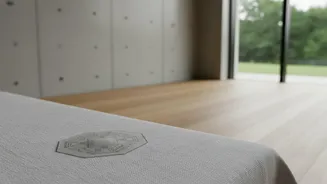
Imagine a small, flexible sticker that you place on your skin before a run, bike ride, or any strenuous activity. This isn't just any sticker; it's a sophisticated biosensor designed to analyze your sweat as it happens. These smart patches are part of
a new wave of wearable technology aimed at moving beyond guesswork in personal health. Instead of relying on thirst—which is often a late indicator of dehydration—or generic advice, these devices provide objective, personalized data about what your body is losing in real time. Major brands in the sports and tech worlds, like Gatorade and Nix, have developed their own versions, signaling a shift from reactive to proactive hydration management.
The Science on Your Skin
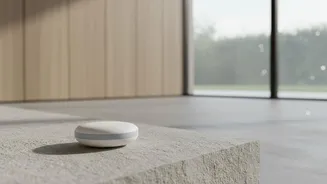
So, how does a simple patch achieve this? The technology varies, but most rely on one of two core methods: microfluidics or bioimpedance. Microfluidic patches, like the Gatorade Gx Sweat Patch, use tiny channels to collect and analyze sweat. As you exercise, sweat enters the patch and fills these channels, sometimes containing dyes that change color to indicate your sweat rate and electrolyte concentration. You then use a smartphone app to scan the patch post-workout to get your results. Other devices, such as the Nix Hydration Biosensor, use a reusable electronic pod that snaps onto a single-use patch. These sensors continuously analyze the chemical composition of your sweat, measuring key biomarkers. A different approach uses bioimpedance, which sends a tiny, harmless electrical current through the skin to measure tissue resistance. Since hydrated tissue conducts electricity better than dehydrated tissue, the sensor can track changes in your body's fluid levels over time.
More Than Just Water Loss
A key advantage of these smart patches is their ability to measure more than just how much you're sweating. They provide a detailed sweat profile, which is crucial because everyone's sweat is different. The primary metrics tracked are typically fluid loss and electrolyte loss, particularly sodium. Knowing your sweat rate (how much fluid you lose per hour) helps you understand how much you need to drink to replace it. Just as important is the sweat's sodium concentration. Losing too much sodium without adequate replacement can lead to muscle cramps, fatigue, and in serious cases, a dangerous condition called hyponatremia. By tracking both, the patches provide a complete picture of your body's needs. This data is then sent to a companion app on your phone or compatible sports watch, which translates the raw numbers into actionable advice: when to drink, what to drink (water or an electrolyte drink), and how much.
Who Are These Patches For?
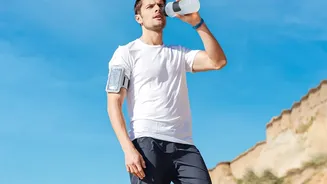
While initially developed with elite athletes and military applications in mind, the audience for smart hydration patches is rapidly expanding. Endurance athletes like marathon runners, triathletes, and cyclists stand to gain significantly, as even minor dehydration of just 2% can impair performance. For them, a personalized hydration strategy can be the difference between hitting a personal best and not finishing the race. However, the application goes far beyond competitive sports. Outdoor workers in fields like construction or agriculture, who face prolonged heat exposure, can use this technology to prevent heat-related illness and improve on-the-job safety. Even dedicated gym-goers and weekend warriors can benefit from understanding their unique sweat profile to optimize their workouts and improve recovery.
The Future of Personalized Hydration
The world of wearable hydration monitoring is still evolving. While current devices offer incredible insight, researchers are continually working to improve their accuracy and comfort. Some studies have noted discrepancies between wearable sensor readings and gold-standard lab tests, though the data is generally considered reliable enough for practical use. The future likely lies in reusable, multi-sensor devices that are even more seamlessly integrated into clothing or durable e-tattoos. As the technology becomes more refined and accessible, real-time, data-driven hydration advice is poised to become a standard feature in personal health and fitness management, making dehydration-related performance slumps a thing of the past.