





Master the Bathroom Basics
The bathroom is where a large portion of domestic water is used, making it the perfect place to start. Opt for a bucket bath instead of a long shower; a shower can use significantly more water. If you do use a shower, aim to keep it under five minutes.
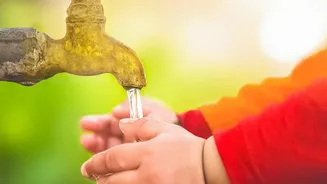
A simple but highly effective habit is turning off the tap while brushing your teeth, lathering soap, or shaving. This action alone can save several litres of water every day. Also, teach children to close taps tightly after every use to prevent wastage.
Hunt for Hidden Leaks
A slow-dripping tap might seem harmless, but it can waste thousands of litres of water over a year. Regularly inspect all taps, pipes under sinks, and toilet cisterns for any signs of leakage. A quick way to check for a toilet leak is to add a few drops of food colouring to the tank. If the colour appears in the bowl without flushing, you have a leak that needs fixing. Addressing these drips promptly is one of the most impactful ways to conserve water.
Transform Your Kitchen Habits
Simple shifts in the kitchen can make a big splash. Instead of washing fruits and vegetables under a running tap, rinse them in a bowl of water. This water can then be reused for watering your plants. When washing dishes by hand, fill a basin or use a washing bowl instead of letting the water run continuously. If you have a dishwasher, make sure to run it only with a full load to maximize efficiency. Another significant source of reusable water comes from RO purifiers. An RO system can discard 2-3 litres of water for every litre it purifies. Collect this 'reject water' and use it for mopping floors, cleaning, or flushing toilets.
Rethink Your Laundry Routine
When it comes to laundry, the golden rule is to only run the washing machine with a full load. Multiple small loads use far more water and energy than one complete cycle. If your machine has load size settings, be sure to use the appropriate one for the amount of laundry you are washing. These small adjustments ensure that every wash cycle is as water-efficient as possible, reducing unnecessary consumption significantly.
Embrace Simple Water Recycling
Greywater recycling is an excellent way to give water a second life. Greywater is the relatively clean wastewater from baths, showers, washing machines, and kitchen sinks. This water, after some basic filtering to remove hair and lint, is perfect for flushing toilets, cleaning balconies, or watering non-edible plants. You don't need a complex system to start; you can begin by simply collecting shower water in a bucket and using it for your toilet flush.
Consider Rainwater Harvesting
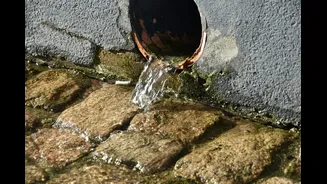
If you have the space, even a simple rainwater harvesting setup can capture a significant amount of water. Rainwater collected from rooftops can be directed through pipes into a storage tank or a recharge pit. This water is ideal for gardening, washing your car, or cleaning outdoor areas. A basic system can be as simple as connecting your roof's drainage pipe to a large drum with a filter made of mesh, sand, and gravel. With many cities receiving ample rainfall during monsoon, this practice helps reduce reliance on municipal supply and recharges crucial groundwater levels.