






The New Monsoon Mood
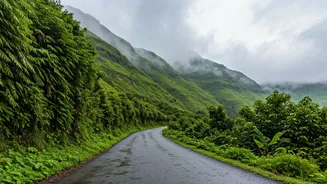
For years, monsoon travel in India was about one of two things: escaping the downpour by heading to drier climes, or braving it for the lush, rain-washed landscapes of Kerala or Goa. But a significant shift is underway. Travellers are no longer content
with just watching the rain from a hotel window. Instead, they are actively seeking immersive experiences, and two motivations are emerging as clear drivers: wellness and food. This evolution marks a move away from passive sightseeing towards active, intentional travel that nourishes from the inside out. Tour operators and boutique hotels report a surge in bookings for packages that promise more than just a room with a view; they promise an experience that heals, restores, and satisfies.
The Quest for Inner Calm
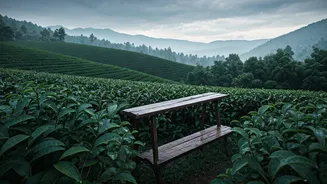
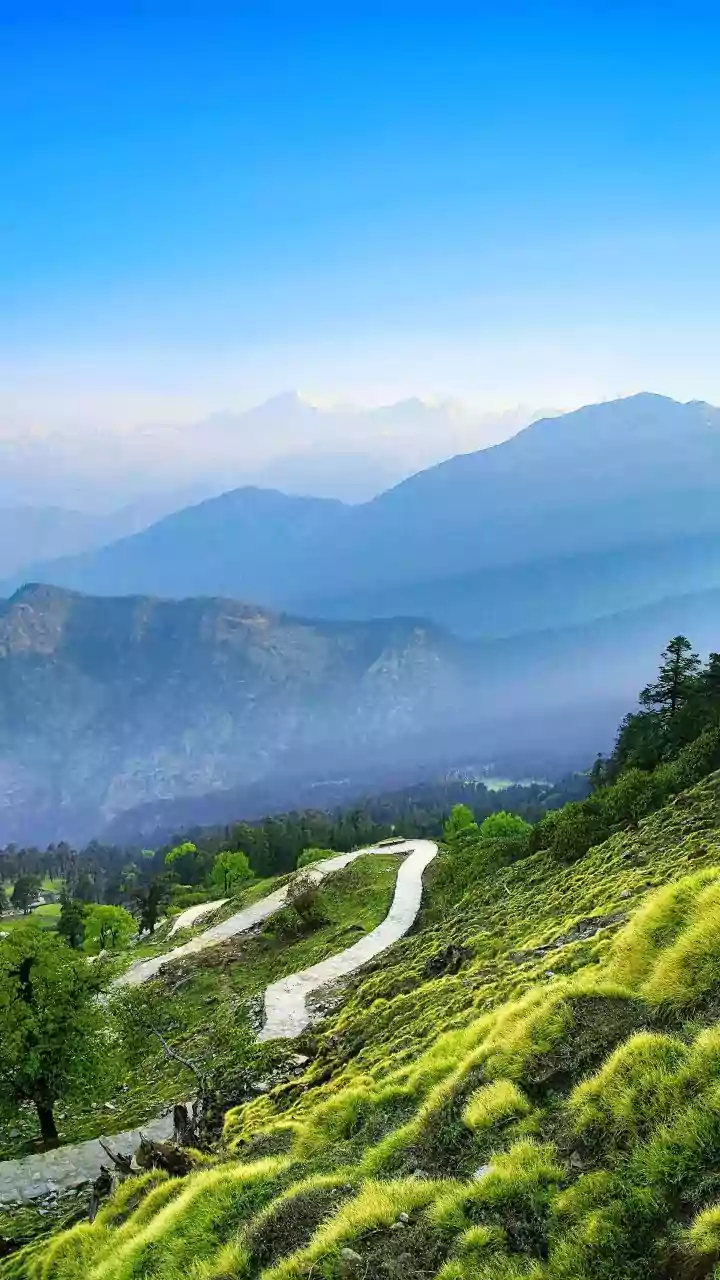
The pitter-patter of rain, the earthy smell of petrichor, and the cool, clean air create a natural soundtrack for relaxation. It’s no surprise, then, that wellness has become a cornerstone of monsoon travel. Destinations are leveraging this natural ambience to offer curated wellness experiences. Think of Ayurvedic resorts in Kerala, where ancient Panchakarma treatments are considered most effective during the moist, cool monsoon months when the body is more receptive. Or consider yoga and meditation retreats nestled in the misty hills of the Western Ghats or the Himalayas. These sanctuaries offer a chance to disconnect from digital noise and reconnect with oneself, using the introspective nature of the season as a catalyst for mindfulness and healing. The demand is not just for luxury spas but also for authentic, holistic programmes that combine physical treatments with mental and spiritual well-being.
A Feast for the Senses
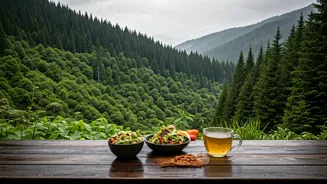
Alongside wellness, a ravenous appetite for culinary adventure is driving travel choices. The monsoon transforms India’s culinary landscape, bringing forth unique seasonal produce and inspiring special comfort-food menus. Travellers are eager to taste the season. This has given rise to a boom in culinary tourism and agri-tourism. Farm stays in regions like Maharashtra or Punjab offer guests the chance to experience farm-to-table dining in its truest form—plucking fresh vegetables for their meals and learning to cook regional monsoon specialities. In coastal areas like Goa and the Konkan coast, the focus shifts to fresh seafood prepared in rich, spicy curries that ward off the damp chill. Even urban hotels are creating special monsoon menus featuring favourites like pakoras, chai, and steaming hot soups, turning food into a central part of the travel experience rather than just an afterthought.
Why This Shift, and Why Now?
This trend isn't happening in a vacuum. It’s a reflection of a broader change in traveller mindset, accelerated by the post-pandemic era. After years of restrictions and stress, people are prioritising their well-being. Travel is no longer just about ticking off a bucket list; it's about restoration. The monsoon, with its slower pace of life, is the perfect backdrop for this kind of 'slow travel'. Furthermore, social media has played a role in popularising the aesthetic of a cosy, wellness-focused trip. A perfectly plated meal at a farm stay or a serene yoga pose against a backdrop of misty mountains is incredibly shareable, inspiring others to seek out similar soul-soothing experiences. Travellers are increasingly looking for authenticity and connection, and both food and wellness offer powerful pathways to connect with a place and its culture on a deeper level.