


The Hidden Danger of Humidity
As the rains subside, the combination of moisture and warmth creates a highly humid environment in India, which can be a nightmare for your pet's skin and coat. This dampness gets trapped in their fur, especially in long-haired breeds or those with dense
undercoats, preventing the skin from drying properly. This constant moisture creates the perfect breeding ground for fungi, like yeast and the kind that causes ringworm. These organisms, which may be present in small numbers normally, can multiply rapidly on damp skin, leading to uncomfortable and sometimes painful infections.
Recognising the Red Flags of Infection
Early detection is key to preventing a minor issue from becoming a serious problem. Pet owners should be vigilant for the common signs of a fungal infection. Look for incessant scratching, biting, or licking of a specific area. Visually inspect your pet's skin for circular patches of hair loss, which may have a red, raised ring at the edge—a classic sign of ringworm. Other indicators include greasy or flaky skin, a persistent musty or sour odour, redness, and inflammation, particularly in skin folds, between the paws, and inside the ears. These areas are hotspots for moisture and heat, making them especially vulnerable.
Your Proactive Anti-Fungal Grooming Routine
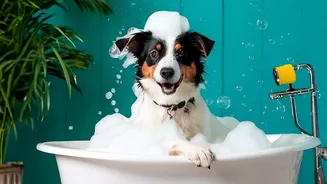
The best defence is a consistent and targeted grooming strategy. The non-negotiable first step is to keep your pet as dry as possible. After every walk or any exposure to moisture, towel-dry your pet thoroughly. For thicker coats, a blow dryer on a low, cool setting is essential to ensure the undercoat is completely dry. Daily brushing is also critical; it removes loose hair, prevents mats that trap moisture, and allows air to circulate against the skin. Bathing frequency is a delicate balance. While you want to keep your pet clean, over-bathing can strip natural oils. Use a vet-recommended anti-fungal or medicated shampoo every couple of weeks, ensuring you rinse thoroughly and dry completely.
Essential Tools and Paw Care
Your post-monsoon grooming kit should include a few key items. An absorbent towel, a good quality brush appropriate for your pet’s coat type, and a vet-approved antifungal shampoo are must-haves. Consider adding an antifungal powder or spray as a preventive measure for high-risk areas like paws and skin folds, applying it after your pet is completely dry. Paws require special attention as they are in constant contact with damp surfaces. Clean and dry between their toes after every outing. Keeping the hair trimmed short around the paw pads can also help improve airflow and reduce moisture retention.
Beyond the Coat: Environmental Control
Managing your pet's environment is just as important as grooming. Fungi thrive in damp spaces, so ensure your pet’s bedding, toys, and living areas are clean and dry. Wash their bedding frequently in hot water and make sure it is completely dry before they use it again. Good ventilation in your home can help reduce overall indoor humidity, making it a less hospitable environment for fungal spores to multiply. Regularly cleaning food and water bowls also prevents the growth of mold.
When to Consult Your Veterinarian
While a proactive grooming routine can prevent many issues, it's crucial to know when professional help is needed. If you notice signs of a severe infection, such as raw, weeping sores (hot spots), significant hair loss, or if the itching is intense and causing your pet distress, it's time to see the vet. Home care is for prevention and mild cases; moderate to severe infections require a proper diagnosis and prescription treatments, which may include oral antifungal medications or stronger topical creams.