







1. The Antidote to Urban Loneliness
In the hyper-connected but often isolating world of modern urban life, genuine human connection can feel scarce. The pandemic exacerbated this, leaving many feeling disconnected from their communities. Walking clubs have emerged as a powerful, low-pressure
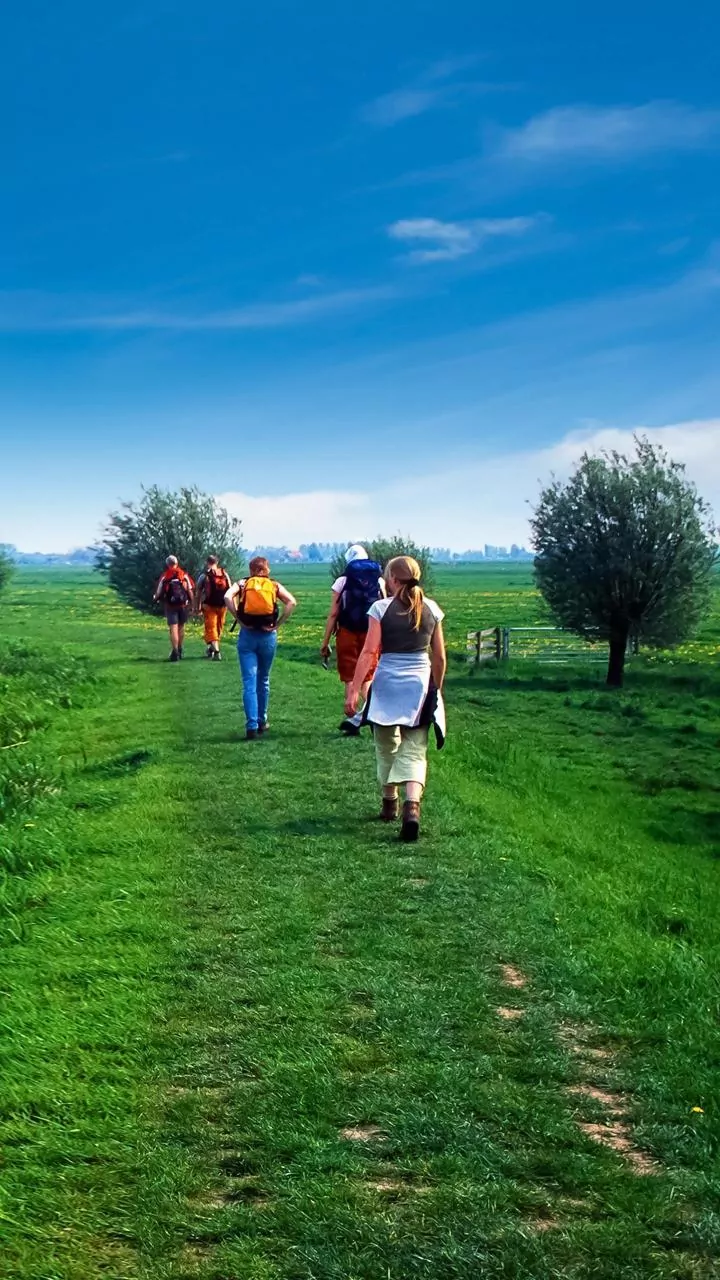
solution. Unlike a formal party or a networking event, there are no expectations. You just show up and walk. Conversation flows naturally, side-by-side, without the intensity of face-to-face interaction. It provides a ‘third space’—a place outside of home and work—where people can build friendships organically. For young professionals new to a city or anyone feeling the pinch of social isolation, these clubs offer an accessible and welcoming entry point into a new community.
2. Fitness Without the Fuss
The fitness industry can be intimidating. Expensive gym memberships, complex workout routines, and the pressure to perform can be major barriers for many. Walking, on the other hand, is the most democratic form of exercise. It’s free, requires no special equipment beyond a comfortable pair of shoes, and is accessible to people of all ages and fitness levels. Walking clubs strip fitness back to its basics: movement and consistency. By turning exercise into a social activity, they also solve the motivation problem. It’s much harder to skip a workout when you know your friends are waiting for you. This blend of gentle physical activity and social accountability makes it a sustainable habit rather than a short-lived resolution.
3. Rediscovering Your Own City
How much of your own city have you really seen? For many urban dwellers, life revolves around the well-trodden paths between home, work, and the local market. Walking clubs are changing that. Many are organised around themes, transforming a simple walk into an act of exploration. There are heritage walks that uncover the history of old neighbourhoods in cities like Kolkata and Chennai, food walks that sample street-side delicacies, and nature walks that explore hidden green pockets within the concrete jungle. Participants aren't just getting their steps in; they're engaging with their environment, seeing familiar streets with new eyes, and fostering a deeper appreciation for the place they call home. It’s part tourism, part exercise, and part community building, all rolled into one.
4. The Power of Social Media
The boom in walking clubs is a distinctly digital-age phenomenon. While the activity itself is analogue, the organisation is almost entirely powered by social media. Instagram pages with aesthetic pictures of group walks and snappy Reels attract new members. WhatsApp and Telegram groups are used for logistics—announcing the time, meeting point, and route for the next walk. This digital-first approach makes discovery and participation incredibly easy. A quick search for a hashtag like #MumbaiWalkers or #DelhiWalkingClub can connect a person to dozens of options. This removes the friction of finding and joining a group, allowing clubs to grow from a handful of friends to hundreds of members in a matter of weeks.
5. A Boost for Mental Well-being
The conversation around mental health has never been more prominent, and people are actively seeking sustainable ways to manage stress and anxiety. Walking clubs tick all the right boxes. The physical act of walking releases endorphins, which have mood-boosting effects. Doing it outdoors, especially in a park or by the sea, provides a dose of nature, which is proven to reduce stress. And the social component combats feelings of isolation, a major contributor to poor mental health. This trifecta—movement, nature, and community—creates a holistic activity that nurtures the mind as much as the body. It's a simple, proactive step people can take to invest in their own well-being, one step at a time.