





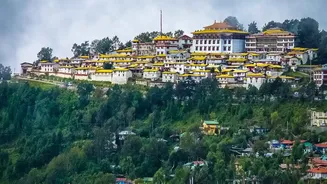
The New Hill Station Code
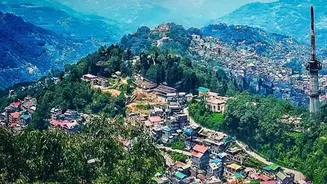
The traditional concept of a 'hill station holiday' is getting a 21st-century upgrade. For a growing tribe of tech professionals, the Eastern Himalayas are no longer just a destination for a week-long escape. Instead, Gangtok has emerged as a prime location
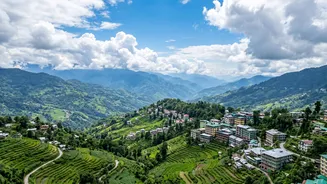
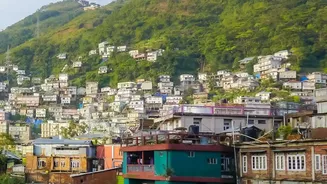
for 'workations'—extended stays that merge professional productivity with the tranquility of mountain life. Tired of the relentless pace and high costs of metropolitan hubs like Bengaluru and Pune, these digital natives are seeking a better work-life balance. They are swapping cramped city apartments and traffic-choked commutes for misty mornings and sweeping valley views, finding that a change in scenery can be a powerful catalyst for both creativity and well-being.
Monsoon: A Feature, Not a Bug
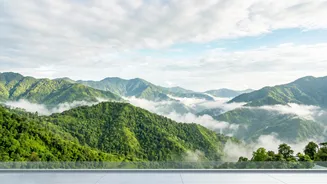
Contrary to the belief that rain hampers travel, for these long-stay professionals, the monsoon is a major draw. While peak tourist seasons can be crowded and expensive, the monsoon (roughly June to September) offers a quieter, more immersive experience. The landscape transforms into a lush, green paradise, with waterfalls in full flow and clouds weaving through the streets. This serene, atmospheric setting is considered perfect for deep focus and creative work, free from the distractions of peak-season tourism. The sound of rainfall becomes a calming soundtrack for coding sessions, and a walk along the rain-washed MG Marg offers a refreshing break. For photographers and nature lovers, it's a time of unparalleled beauty.
The Co-Living and Coworking Backbone
This migration wouldn't be possible without the robust digital infrastructure that has developed in Gangtok. The city offers reliable 4G connectivity from major providers like Airtel and Jio, and 24/7 electricity is a significant advantage over other regions. More importantly, a new ecosystem of co-living spaces, work-friendly hostels, and dedicated coworking hubs has emerged to cater specifically to this demographic. Places like Sanctorum, Gangtok's first dedicated coworking space, offer high-speed fibre internet, power backups, meeting rooms, and even podcast studios, fostering a sense of community among remote workers. These hubs eliminate the isolation of working from a hotel room, providing a professional environment and a built-in social network.
Affordability Meets High Quality of Life
A significant factor driving this trend is the economics. The cost of living in Gangtok is considerably lower than in India's major tech cities. Monthly rent for a comfortable apartment can be a fraction of what one might pay in a metro. Expenses for food, transport, and utilities are also substantially more affordable. This financial breathing room allows tech workers to save more while enjoying a higher quality of life. The access to clean air, organic local produce, a slower pace of life, and the inherent safety and cleanliness of the city all contribute to a lifestyle that prioritizes well-being over the urban grind. It's a package that is proving increasingly difficult for city-based professionals to ignore.
Beyond the Laptop: Community and Culture
The appeal of Gangtok extends beyond just a quiet place to work. The co-living and coworking spaces actively foster a community, bringing together a diverse group of creatives, coders, and entrepreneurs. This environment combats the loneliness that can sometimes accompany remote work, facilitating collaboration and new friendships. After logging off, the city and its surroundings offer a wealth of experiences. From exploring serene monasteries and hiking through misty trails to enjoying the local cafe culture on MG Marg, there is a strong emphasis on a balanced life. Nearby, initiatives like Yakten, India's first 'Digital Nomad Village', further signal Sikkim's commitment to building a sustainable ecosystem for remote workers that integrates with and supports local culture.