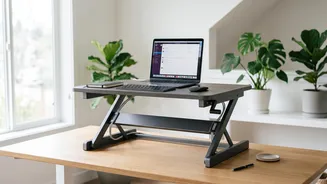








The modern workday can feel like a trap, pinning you to your chair for hours. This prolonged sitting impacts more than just your posture; it can drain your energy and focus. The good news? Small, consistent changes make a huge difference.
Embrace the 'Movement' Timer
One of the biggest
hurdles to moving more is simply forgetting to do it. When you're deep in a task, hours can pass without you realizing you haven't stood up. The solution is to make movement intentional by setting a timer. Some studies suggest setting a timer to stand up and move for a few minutes every 30 to 60 minutes can be highly effective. This simple act interrupts prolonged sitting, which has been linked to health risks like back pain, obesity, and even heart disease. You don't need to do a full workout; a simple walk to the kitchen, a few stretches, or even just standing can improve blood flow and re-energize your mind. Think of it as a scheduled reset button for both your body and your brain, helping to prevent stiffness and mental fog.
Turn Phone Calls into Walking Meetings
Not every meeting requires you to be tethered to your screen. The next time you have a one-on-one call or an informal check-in that doesn't require screen sharing, take it on the move. Pacing around your office, home, or even taking a walk outside can be a game-changer. Research suggests that walking can boost creativity and improve mood, making you more effective in your conversations. Instead of sending an email or an instant message to a colleague, consider walking over to their desk. This small habit not only adds steps to your day but also fosters more personal interaction. By rethinking how you handle communication, you can seamlessly integrate low-impact activity into tasks you already need to complete, transforming sedentary time into a productive, healthy habit.
Strategize Your Hydration
Staying hydrated is crucial for energy and concentration, but it can also be a powerful tool for encouraging regular movement. By keeping a water bottle on your desk, you not only ensure you're drinking enough but also create natural break triggers. Each time you need a refill, you have a reason to get up and walk to the water cooler or kitchen. And, as a natural consequence of staying well-hydrated, you'll need to take more frequent walks to the restroom. Instead of seeing these as interruptions, frame them as built-in opportunities to stretch your legs and break the cycle of sitting. To increase the benefit, choose a restroom on a different floor and take the stairs.
Perform 'Desk-ercises' During Downtime
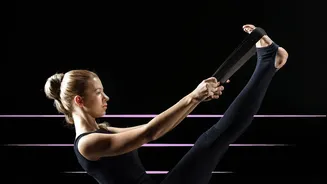
You don't need a gym to build strength and flexibility. Your own desk can serve as a mini-fitness station. During those brief moments of downtime—waiting for a file to load, a meeting to start, or while reading a long document—incorporate simple exercises. Try seated leg raises, torso twists to improve spine mobility, or shoulder shrugs to release neck tension. Standing calf raises while on the phone or chair dips using a sturdy, stationary chair can build strength without disrupting your workflow. Keeping a resistance band at your desk opens up even more possibilities for quick arm and shoulder exercises. These 'desk-ercises' are discreet, take only a few seconds or minutes, and directly combat the stiffness that comes from holding one position for too long.
Rethink Your Commute and Lunch Break
Your efforts to move more don't have to be confined to the office itself. Start and end your day with a little extra activity. If you drive, try parking in the farthest spot from the entrance to add a short walk to your routine. If you use public transport, consider getting off one stop early and walking the rest of the way. These small changes add up significantly over a week. Similarly, reclaim your lunch break. Instead of eating at your desk, use at least part of that time for a brisk walk outside. This not only gets you moving but also provides a mental break and exposure to fresh air, which can leave you feeling refreshed and more focused for the afternoon ahead.