


The Daylight Deficit
The most significant factor driving the seasonal fitness slump is the reduction in daylight. Shorter days and earlier sunsets do more than just make an evening jog feel less appealing; they directly impact your biology. Reduced exposure to natural light can disrupt
your circadian rhythm, the body's internal 24-hour clock that governs sleep-wake cycles and energy levels. This disruption can lead to a rise in melatonin, the hormone that makes you sleepy, leaving you feeling fatigued and less motivated. For some, this can contribute to a mild form of seasonal depression known as Seasonal Affective Disorder (SAD), where low energy and mood changes are common. Physical activity is a proven tool to combat these effects, as exercise helps boost mood-regulating chemicals like serotonin and provides crucial exposure to sunlight, which aids in vitamin D production.
Your Body's Response to Cold
When temperatures drop, your body has to work harder just to stay warm, a process called thermoregulation. This can be both a challenge and a benefit. The challenge is that cold muscles are tighter and less efficient, which can increase the risk of injury if you don't warm up properly. Your body may also burn through its immediately available energy stores (glycogen) faster as it works to maintain its core temperature. However, there are surprising upsides. Some research suggests that exercising in the cold can activate 'brown fat', a type of fat that burns calories to generate heat, potentially boosting your metabolism. Furthermore, without the oppressive heat and humidity of summer, many people find they can exercise for longer durations, feeling more energized by the crisp air.
The Psychology of Comfort
Beyond the biology, there's a powerful psychological pull toward comfort and coziness as the weather cools. The appeal of a warm blanket and a hot drink can easily overpower the thought of layering up for a chilly workout. In summer, the environment itself seems to encourage outdoor activity, with long evenings and social gatherings often taking place outside. In autumn and winter, these external cues disappear, revealing how much of our motivation may have been tied to the environment rather than pure discipline. This transition marks what behavioral scientists call a 'fresh start effect', a natural point to reset habits. Recognizing that the desire to stay indoors is a normal response is the first step; the next is creating a new routine that acknowledges the season instead of fighting it.
How to Adapt, Not Quit
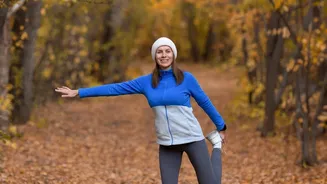
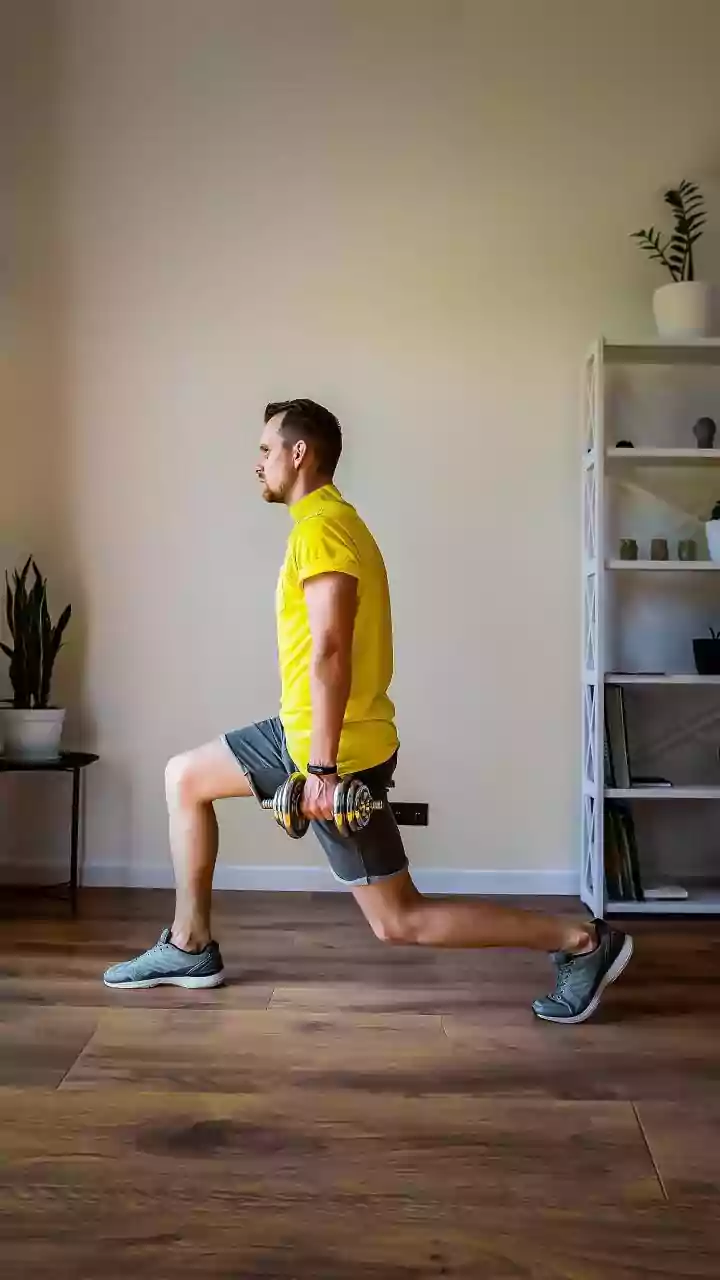
The key to maintaining fitness year-round isn't about forcing your summer routine into a winter context; it's about adaptation. If dark evenings are a barrier, try shifting your outdoor activity to the morning or your lunch break to take advantage of daylight. This not only improves safety and visibility but also maximizes your exposure to sunlight when its mood-boosting effects are most needed. Another strategy is to embrace the season. Instead of mourning the end of trail running season, try activities that are unique to cooler weather, like hiking to see autumn foliage, ice skating, or snowshoeing. Finally, give yourself flexibility. Plan for a mix of outdoor and indoor workouts. Having a go-to online yoga class or a simple at-home bodyweight circuit ready for days when the weather is just too harsh removes the 'all or nothing' pressure that can derail your goals.
Gear Up for Success and Safety
Having the right gear makes a monumental difference in your comfort and safety. The most important principle for cold-weather exercise is layering. Start with a moisture-wicking base layer next to your skin to draw sweat away. Avoid cotton, which holds moisture and can leave you feeling cold and damp. Add a middle layer for insulation, like fleece, and an outer layer that is windproof and water-resistant. Don't forget extremities; a hat, gloves, and warm socks are crucial as your body prioritizes keeping your core warm, leaving hands and feet vulnerable. For dark mornings or evenings, reflective gear and a headlamp are non-negotiable for ensuring you are visible to others. Proper gear doesn't just protect you from the elements; it removes one of the biggest mental hurdles to getting out the door.