





The Rise of the Himalayan Workation
Not long ago, the idea of a productive work-from-mountains lifestyle seemed like a fantasy, hindered by patchy internet and a lack of suitable infrastructure. Today, that has changed dramatically. The proliferation of high-speed fibre broadband from providers
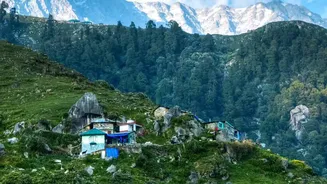
like Jio and Airtel, coupled with a growing ecosystem of cafes and accommodations catering to long-stay guests, has turned this dream into a practical choice for thousands. Two places at the forefront of this trend are Kasol, the bohemian hub of Parvati Valley, and Bir, the world-renowned paragliding destination. Both offer a unique blend of stunning landscapes, affordable living, and, crucially, the connectivity needed to stay plugged into the global workforce.
Kasol: Bohemian Vibe with Reliable Bytes
Kasol has long been a haven for backpackers, but its appeal is widening. The town's once-notorious connectivity issues are fading into the past. Many cafes, guesthouses, and hostels now offer stable fibre optic internet, with speeds often ranging from 50 to 100 Mbps, making video calls and large file transfers manageable. Cafes like Moon Dance Cafe and others along the Parvati River have become de-facto coworking spots, offering good food and a work-friendly vibe. Accommodation remains highly affordable. Monthly rates for a private room in a guesthouse or a bed in a hostel can be found for well under ₹20,000, allowing for a comfortable work-life balance without a hefty price tag. Hostels like goSTOPS and AmigosIndia specifically cater to this crowd, providing common areas and reliable Wi-Fi.
Bir: Community, Cafes, and Connectivity
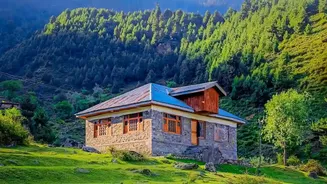
Bir has cultivated a reputation as a more organized and community-focused hub for remote workers, creators, and wellness enthusiasts. The town’s infrastructure is notably robust, with a high density of cafes and dedicated coworking spaces that guarantee a stable work environment. Internet reliability is a major selling point here, with most establishments offering high-speed connections that remote professionals can depend on. The accommodation scene in Bir is particularly well-suited for digital nomads. It features numerous homestays, guesthouses, and co-living spaces like SOWA Stays that offer monthly packages. A dorm bed in a quality hostel like Zostel might cost around ₹400-₹600 a night, while long-stay private rooms can be secured for approximately ₹19,000 a month. This fosters a strong sense of community, making it easy to connect with like-minded individuals.
Choosing Your Mountain Base: Vibe Check
The choice between Kasol and Bir often comes down to personal preference. Kasol offers a more rustic, free-spirited, and party-friendly atmosphere. Its location in the Parvati Valley makes it a great base for exploring nearby treks and villages like Tosh, Chalal, and Grahan. The vibe is distinctly backpacker-centric, with a vibrant, sometimes chaotic energy. Bir, on the other hand, presents a calmer, more structured environment. Known as India's paragliding capital, it attracts a mix of adventure seekers and those focused on wellness and creative pursuits. The town feels more spacious and less commercialised than many hill stations, with a strong Tibetan cultural influence, serene monasteries, and a community geared towards a balanced lifestyle.
Making the Move: Practical Tips
To ensure a smooth transition to a mountain work-life, a few practical steps are essential. While Wi-Fi has improved, it's always wise to have a backup mobile data plan; Airtel and Jio both offer strong 4G/5G coverage in these areas. For long-term stays, it's often cheaper to contact homestays or guesthouses directly to negotiate monthly rates. While many cafes are work-friendly, some may have policies on laptop usage during peak hours, so it's polite to ask. Finally, embrace the local pace of life. Power cuts can still happen, though they are less frequent, and the mountain environment demands a degree of flexibility. The reward is a productive and rejuvenating escape from the urban grind.