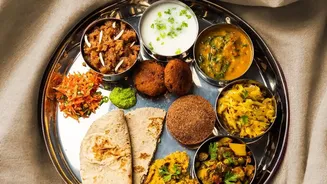





The Philosophy: Eating Sattvic
The foundation of a vrat diet is the principle of Sattva. In Ayurveda, foods are categorized into three types: Sattvic, Rajasic, and Tamasic. Sattvic foods are considered pure, light, and calming, promoting clarity and spiritual focus. They are easy to digest
and provide sustained energy. Foods that are Rajasic (stimulating, like onions and garlic) or Tamasic (heavy, dulling, like stale food) are avoided. The goal of fasting is to detoxify the body and quiet the mind, and a Sattvic diet is the primary tool to achieve this state. It’s less about restriction and more about consuming foods that elevate one’s energy and consciousness.
The Flour Alternatives
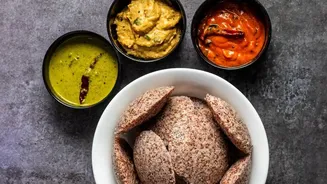
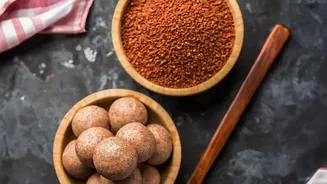
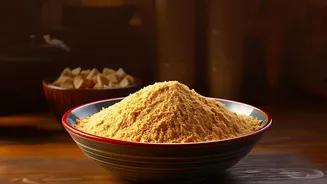
Grains like wheat and rice are typically avoided during most vrats. This is where pseudo-grains come in. Flours like Kuttu ka atta (buckwheat flour), Singhare ka atta (water chestnut flour), and Rajgira ka atta (amaranth flour) are staples. These are not technically cereals but seeds from fruits or plants, making them permissible. Nutritionally, they are powerhouses. Buckwheat is a complete protein, while amaranth is rich in iron and calcium. These flours are also gluten-free and have a low glycemic index, providing steady energy without causing sluggishness, which is ideal during a fast.
The Salt Swap: Sendha Namak
One of the most distinct rules of a vrat diet is the exclusion of common table salt. Instead, Sendha Namak, or rock salt, is used. This is because rock salt is considered the purest form of salt, as it is unprocessed and free from the anti-caking agents and chemical additives found in commercial table salt. From an Ayurvedic perspective, Sendha Namak is cooling rather than heating, which helps balance the body’s internal systems. It is also known to be gentler on the stomach and aids in the absorption of minerals, making it a healthier choice during a period of light eating and detoxification.
Energy-Boosting Vegetables
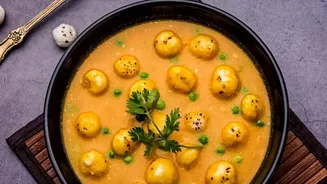
While many vegetables are allowed, there is a clear preference for root vegetables and gourds. Potatoes, sweet potatoes (shakarkandi), yams (jimikand), and colocasia (arbi) are widely used. Their primary role is to provide carbohydrates for energy, keeping you full and active throughout the day. These vegetables are versatile and can be prepared in various simple ways, from being boiled and tossed with spices to being used in light curries. Vegetables like tomatoes, cucumbers, and bottle gourd (lauki) are also common. However, onions and garlic are strictly avoided as their pungent and heating (Rajasic) nature is believed to distract the mind and disrupt the calm state sought during fasting.
Dairy: The Soothing Staple
Dairy products like milk, yogurt (dahi), buttermilk (chaas), and paneer are integral to a vrat diet. They are considered Sattvic and provide essential protein, calcium, and healthy fats. A glass of milk can serve as a light meal, while yogurt and buttermilk are excellent for digestion and keeping the body cool. Paneer offers a substantial protein source that helps maintain satiety. These dairy products are not just nutritious; they are also considered calming and balancing, aligning perfectly with the spiritual aims of the fast.
Fruits and Nuts for Fuel
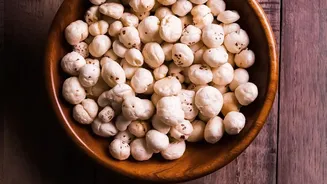
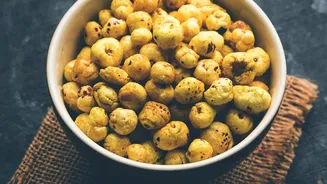
Fruits are nature’s own candy and are universally permitted during fasts. They are packed with vitamins, fibre, and natural sugars that provide an instant energy boost. They also help in keeping the body hydrated. Alongside fruits, nuts and seeds like almonds, walnuts, and makhana (fox nuts) are consumed. These are dense in nutrients, healthy fats, and protein. A handful of nuts can stave off hunger pangs and provide the sustained fuel needed to get through the day. Makhana, in particular, is a popular low-calorie, high-fibre snack that is often roasted and lightly seasoned with rock salt.