






Your Kitchen's New Digital Sous Chef
For generations, cooking knowledge in India has been passed down through observation and practice. But as lifestyles get busier, a new kind of assistant is emerging: AI-powered recipe platforms. This isn't just about searching for a recipe online. It's
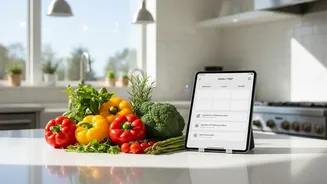
about hyper-personalization. These smart systems act like a digital sous chef, capable of understanding the unique needs of an Indian household. They can suggest dishes based on dietary restrictions, available ingredients, and even the amount of time you have to cook. This move from simple search to intelligent suggestion is what marks the arrival of everyday AI on our countertops.
From Leftovers to Delicacies
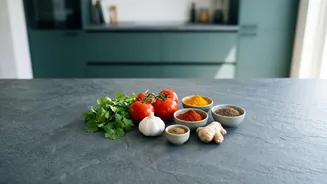
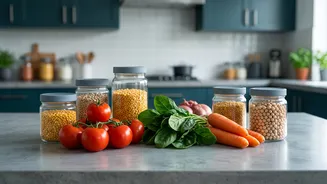
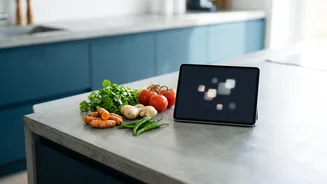
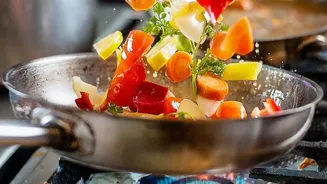
One of the most practical applications of this technology is its ability to tackle food waste. Apps like Kitchen Saathi and Leftover Magics are designed to solve the common problem of figuring out what to do with the handful of vegetables, half a block of paneer, or leftover rice in the fridge. By simply telling the app what you have—for instance, “tomatoes, onions, and spinach”—it can instantly generate a list of potential dishes, complete with step-by-step instructions. Some platforms even allow you to snap a photo of your ingredients to get suggestions. This transforms the daily challenge of using up leftovers into an opportunity for culinary discovery, reducing waste while saving time and money.
Personalised for the Indian Palate
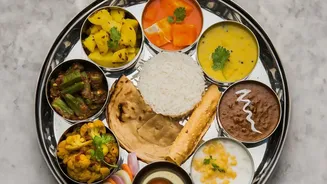
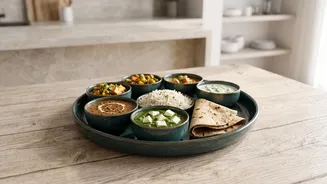
The true strength of these AI tools lies in their ability to cater to the immense diversity of Indian cuisine and dietary habits. Whether a family needs Jain recipes (no onion or garlic), Sattvic meals, or someone is managing a health condition like diabetes, AI can filter and find suitable options from vast databases. Apps such as VegAI focus specifically on vegetarian Indian cooking, allowing users to request dishes based on spice level, region, or health focus. This level of personalization extends to festivals, fitness goals, and preferences for specific regional cuisines, from high-protein South Indian breakfasts to low-oil North Indian snacks. It’s a far more tailored experience than a generic recipe book could ever offer.
Bridging Tradition and Modernity
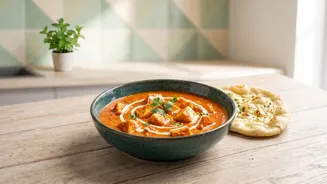
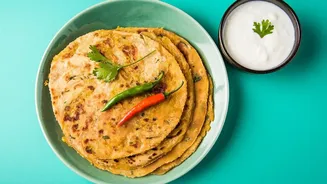
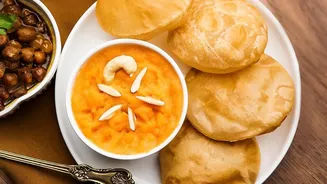
While the technology is new, its application often supports tradition. For younger generations or those living away from home, these AI assistants can serve as a guide to cooking complex, traditional dishes they never had the chance to learn. Some smart cooking appliances can even replicate family recipes with precision, preserving the essence of a home-cooked meal. At the same time, AI is also a tool for innovation. Platforms like Google’s Food Mood experiment encourage culinary creativity by generating unique fusion recipes, blending tastes from two different Indian states to create something entirely new. This dual role—as both a preserver of heritage and a catalyst for experimentation—shows how technology can coexist with culture in the kitchen.
The Future Is Connected
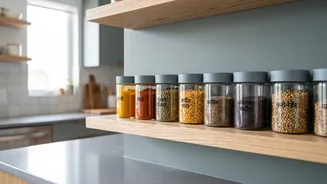
Recipe discovery is just the beginning. The trend is moving towards a fully integrated smart kitchen. We are already seeing the emergence of AI-powered cooking assistants and smart appliances in the Indian market, like those from upliance.ai, which aim to automate functions like chopping, stirring, and sautéing. In the near future, your recipe app could communicate directly with your smart fridge to know what ingredients you have, sync with your oven to set the correct temperature for a perfect naan, and even add missing items to your grocery delivery list. This connected ecosystem promises to make cooking more efficient, reduce errors, and free up time, all while learning your family’s unique culinary preferences.