






Why Smog Hurts Your Throat
When air quality drops, the air becomes thick with pollutants like particulate matter (PM2.5 and PM10), nitrogen oxides, and sulfur dioxide. These microscopic irritants can travel deep into your respiratory system. When you breathe them in, they settle
on the sensitive lining of your throat, causing inflammation, dryness, and a persistent sore feeling. Your body’s immune system reacts to these particles as foreign invaders, triggering a response that leads to swelling and discomfort. This is why a sore throat is one of the first and most common symptoms people experience during periods of heavy smog or pollution.
Safe Remedies for Adults and Older Children
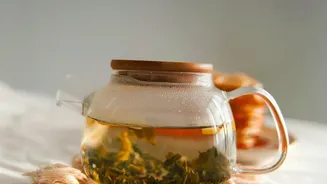
For adults and children over the age of one, there are several effective home remedies to soothe a pollution-induced sore throat. A warm salt-water gargle can reduce swelling and help flush out irritants. Staying well-hydrated by drinking plenty of warm water and herbal teas is essential to keep the throat moist. Traditional Indian remedies like ginger tea (adrak chai) and turmeric milk (haldi doodh) are excellent choices, as both ginger and turmeric have natural anti-inflammatory properties. Steam inhalation, with or without a few drops of eucalyptus oil, can also provide significant relief by moisturising the airways and loosening mucus. Using an air purifier indoors and wearing a mask when outside can help limit your exposure to pollutants in the first place.
The Critical Warning: No Honey for Infants
While honey is a trusted remedy for sore throats in adults, it poses a serious and potentially fatal risk to infants under 12 months of age. The danger lies in the possible presence of spores from a bacterium called Clostridium botulinum. These spores are harmless to older children and adults because their mature digestive systems can prevent the spores from growing. However, an infant's gut is still developing and lacks the robust microorganisms needed to fight them off. In a baby's intestine, these spores can germinate, multiply, and produce a powerful neurotoxin that causes a rare but life-threatening illness called infant botulism.
What Is Infant Botulism?
Infant botulism is a severe illness that attacks the body's nerves, leading to muscle weakness and paralysis. The initial symptoms can be subtle. Constipation is often the very first sign. This may be followed by a weak cry, poor feeding or a weak suck, lethargy, and a 'floppy' appearance due to a loss of muscle tone and head control. Other signs include drooping eyelids, a flat facial expression, and difficulty swallowing, which can lead to excessive drooling. Because the illness can progress to cause breathing failure, it is considered a medical emergency. If you suspect your infant has botulism, you should seek immediate medical help.
Is Cooked Honey Safe for Babies?
A common misconception is that cooking or baking with honey makes it safe for babies. This is false. The Clostridium botulinum spores are heat-resistant and can survive the temperatures used in normal home cooking and baking. Therefore, parents and caregivers should avoid giving infants any foods containing honey, including processed items like honey-sweetened cereals, crackers, or bread, until after their first birthday. Always read ingredient labels carefully on packaged foods. The American Academy of Pediatrics and the World Health Organization both strongly advise against honey in any form for children under one.
How to Safely Soothe a Baby's Sore Throat
If your baby is under one year old and has a sore throat, there are safer ways to provide comfort. The most important thing is to ensure they stay hydrated with plenty of breast milk or formula. Using a cool-mist humidifier in the baby's room can add moisture to the air, which helps soothe their irritated throat and eases congestion. If your baby has a stuffy nose causing post-nasal drip, you can use a saline spray and a bulb syringe to gently clear the mucus. For babies over six months old, a doctor may approve the use of weight-appropriate doses of ibuprofen for pain relief, but you should always consult a paediatrician before giving any medication.