


The Rise of the Superfood Status Symbol
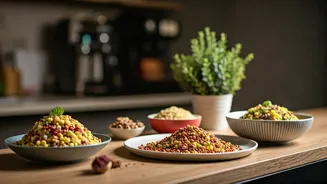
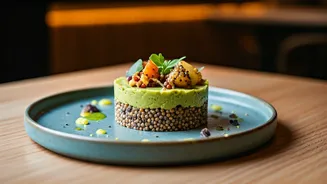
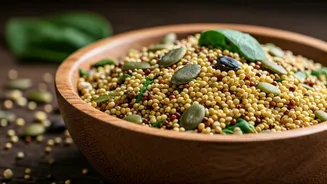
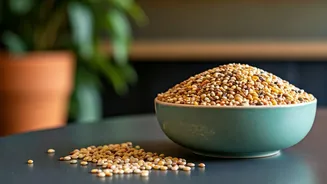
There’s a certain allure to a sprinkle of chia seeds on your morning dahi or swapping out rice for a bowl of quinoa. Marketing has successfully positioned these imported grains and seeds not just as food, but as a lifestyle choice—a signal of health-consciousness
and modern living. [19] The superfood market in India is booming, driven by a growing focus on wellness and the influence of global trends. [17] These products often come with a premium price tag and promises of superior nutritional benefits. [18] The narrative suggests that our regular diet might be lacking and that the solution lies in these foreign-grown wonders. But is this hype justified, or is it a case of brilliant marketing overshadowing our own culinary wisdom? [20]
Our Kitchen's Unsung Fibre Heroes
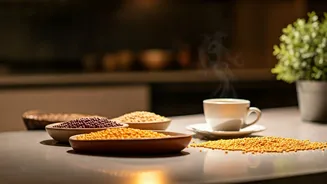
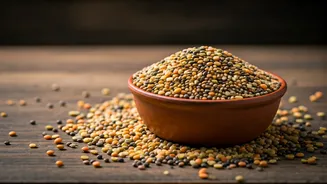
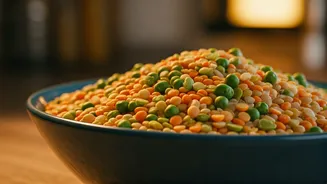
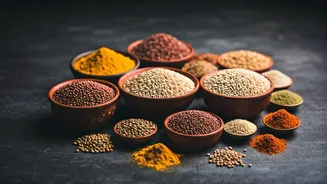
Before the imported hype, Indian meals were, and still are, inherently rich in dietary fibre. The Indian Council of Medical Research (ICMR) suggests an adult needs about 30-40g of fibre daily, a target that traditional Indian diets can easily meet. [10] The fibre isn't in one 'miracle' ingredient, but woven through the fabric of our daily meals. Think of our incredible variety of whole grains and millets: ragi, jowar, and bajra are fibre powerhouses. [12, 13] A simple roti made from whole-wheat atta contributes a significant amount of your daily need. [5] Then come the legumes, the heart of Indian cuisine. A single cup of cooked lentils (dal) can provide over 16g of fibre, while rajma and chana are not far behind. [5] These are the foods that have nourished generations, offering a balanced matrix of nutrients, not just isolated fibre.
A Reality Check: Local vs. Imported
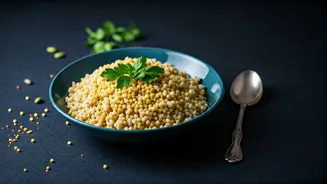
Let's compare. Quinoa is often celebrated for being a complete protein with high fibre. [3] However, our humble millets are formidable competitors. While quinoa might have a slight edge in protein completeness, millets often have a higher fibre content, a lower glycemic index, and are better suited to our local climate and bodies. [11] A meal of ragi mudde with vegetable sambar, for instance, provides a symphony of soluble and insoluble fibre, vitamins, and minerals that a standalone bowl of quinoa would struggle to match. [7] Furthermore, many urban Indians are actually consuming far less fibre than recommended—around 15g per day—not because of a lack of options, but due to a shift towards refined grains and processed foods. [2, 14] The problem isn't the absence of fibre in Indian food, but a move away from traditional, whole-food-based eating patterns.
More Than Just Nutrition
Choosing local isn't just a nutritional argument; it's a sustainable and economic one. Our native millets and grains are climate-resilient crops that support the livelihoods of Indian farmers and preserve agricultural biodiversity. [4] They are more affordable and have a smaller carbon footprint compared to foods flown across continents. [4] Relying on our own dals, sabzis, and whole grains connects us to our culinary heritage and promotes a food system that is self-sufficient and secure. The real 'superfood' is one that nourishes the individual, the community, and the environment. By this definition, the dals, greens, and grains from our own backyard are the truest superfoods we have. [9, 7]