

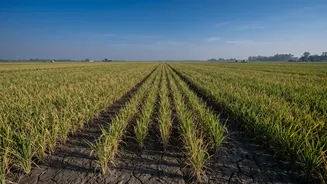
A Weaker Farewell to the Monsoon
The India Meteorological Department (IMD) has projected that rainfall in September 2026 is likely to be below normal. Specifically, the forecast suggests rainfall could be less than 91% of the long-period average (LPA) for the month, which stands at 167.9
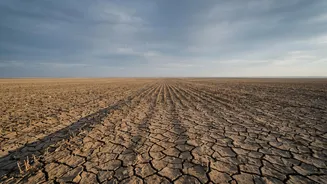
mm. This comes after a volatile season that saw a deficient June, a brief recovery in July, and another deficit in August. The strengthening El Niño phenomenon is cited as a key factor behind this weakened monsoon outlook. While a 'below-normal' forecast applies to the country as a whole, it doesn't mean every region will be dry; some parts of northwest, northeast, and east-central India might still receive normal rainfall. However, the overall national signal points towards a significant moisture deficit as the season concludes.
Why September's Rain Is So Critical
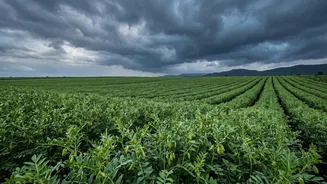
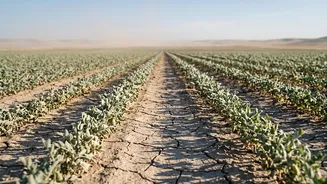
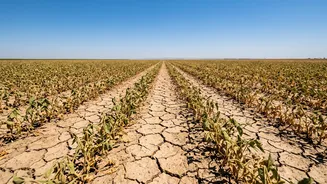
September rainfall is crucial for two main reasons. Firstly, it provides the necessary moisture for standing kharif (summer) crops that are in their final growth stages. Many crops, including pulses, paddy, and oilseeds, depend on this late-season rain for the critical grain-filling phase, which determines the final yield. Secondly, the September showers are vital for replenishing soil moisture ahead of the rabi (winter) crop sowing season, which typically begins in October. Inadequate rain can leave the soil too dry for planting winter crops like wheat and chickpeas, potentially hurting the next harvest cycle as well. Therefore, a deficit now creates a cascading effect, impacting both the current harvest and future planting.
The Pressure on Pulses
Pulses, the backbone of protein intake for many Indian families, are particularly vulnerable to a weak end to the monsoon. Crops like tur (pigeon pea) and other dals are often grown in rain-fed areas where irrigation is not widely available. A lack of rain during the pod-filling stage can severely stunt yields, leading to lower production. While kharif sowing for pulses has seen some gains in acreage this year, this doesn't guarantee a good harvest if the final rains fail. Experts warn that a moisture deficit in September could reduce yields, tightening supply in the market. This directly translates to upward pressure on dal prices, which can significantly impact household grocery bills.
Vegetable Prices on High Alert
Vegetables are often the first to reflect changes in weather conditions due to their high perishability and dependence on consistent water supply. Erratic or deficient rainfall can damage crops, reduce harvests, and disrupt transportation from farms to mandis, leading to lower availability and immediate price spikes. Onions, tomatoes, and leafy greens are particularly sensitive. While market prices fluctuate daily for various reasons, a widespread rainfall deficit creates systemic pressure on supply chains. Food inflation was already showing signs of accelerating in July, driven by higher food prices. A dry September is expected to add to this pressure, making everyday vegetables more expensive for consumers across the country.
The Bottom Line for Your Budget
The connection between a weak monsoon and your wallet is direct and tangible. When farm output declines, supply tightens, and the cost of bringing food from the farm to your kitchen increases. Economists have noted that food inflation can rise significantly following a rainfall deficit. Some estimates suggest that a prolonged shortfall could hurt both the current and next crop cycles, adding sustained pressure on food prices. This isn't just an agricultural issue; it's a household economic concern. Already, reports from financial institutions are warning that a poor end to the monsoon could push overall inflation higher, driven primarily by the rising cost of food.