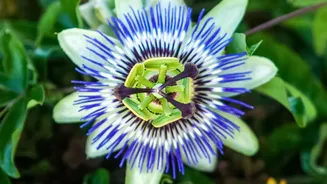







A Tropical Favourite Takes Root
Native to Brazil, passion fruit has long been cherished for its intense aroma and unique flavour, making it a prized ingredient for juices, desserts, and health drinks. For years, its availability in India was limited. However, a significant shift is underway
as commercial cultivation gains momentum in two distinct geographical pockets of the country: the hilly terrains of the Northeast and the tropical climes of the South. States like Mizoram, Nagaland, and Manipur in the Northeast, along with Kerala and parts of Karnataka in the South, are emerging as key cultivation hubs. This agricultural trend is not just about growing a new crop; it represents a move towards diversification, self-reliance, and a boost for local farming communities.
The Northeast's Purple and Yellow Gold
The northeastern states, with their favourable climate and hilly landscapes, have become the commercial heartland for passion fruit in India. Mizoram, in particular, has seen a remarkable expansion in cultivation, alongside Nagaland and Manipur. The region's higher altitudes are ideal for the popular purple variety (Passiflora edulis), known for its sweet pulp, while lower elevations suit the yellow variety (Passiflora edulis f. flavicarpa), which is often tarter and larger. This cultivation provides a significant income source for farmers, with government bodies and missions like the Mission for Integrated Development of Horticulture (MIDH) offering support through subsidies for planting materials and infrastructure like trellises. The crop's success here has also spurred the growth of local processing units that turn the fresh fruit into valuable products like juice, concentrate, and pulp, catering to both domestic and export markets.
Southern States Join the Harvest
In Southern India, passion fruit cultivation is thriving in the Western Ghats regions, including parts of Kerala, the Nilgiris, and Coorg in Karnataka. Here, farmers often integrate passion fruit vines into existing plantations. The 'Kaveri' hybrid, a cross between the purple and yellow varieties developed by the Indian Institute of Horticultural Research (IIHR), is especially popular in this region. This hybrid combines the desirable aroma of the purple type with the vigour and higher yield of the yellow type, making it commercially attractive. In Kerala, the fruit's popularity has soared, partly due to local beliefs in its health benefits, leading to initiatives by organisations like Kudumbashree to promote its cultivation across all districts. Small-scale farmers and even rooftop gardeners are finding success with the vine, which adapts well to the warm, humid weather.
From Farm to Flavour
The growing local supply of passion fruit is a win for Indian consumers and the food industry. While delicious eaten fresh, its primary value lies in its use as a flavouring agent. The juice is a popular base for squashes, cocktails, and blended health drinks. Its pulp is used to flavour ice creams, cakes, yoghurts, and desserts, adding a burst of tropical flavour. Furthermore, different parts of the plant have traditional uses; in the Northeast, the leaves are sometimes consumed as a vegetable, and various parts are used in local remedies. The seeds can be pressed to produce an oil, and even the rind can be used as animal feed, ensuring minimal waste.
An Economic and Sustainable Choice
The rise of domestic passion fruit farming offers substantial economic and environmental advantages. For farmers, it is a high-value crop that can yield significantly higher profits per acre compared to some traditional vegetables, with a long harvesting period ensuring a steady income. A single healthy vine can produce over 150 fruits in a year. Government schemes providing subsidies of 40-50% on costs help make the initial investment more manageable for small farmers. From a consumer perspective, local cultivation means fresher produce with a lower carbon footprint compared to imported fruits. It reduces market dependency on other countries and strengthens the domestic agricultural supply chain, showcasing a successful example of horticultural innovation in India.