




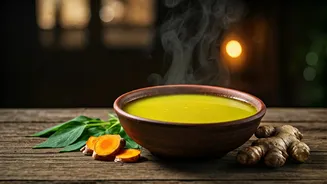



A Monsoon Tradition
As the skies open up and the temperature drops, the monsoon season in India ushers in a unique set of challenges. The damp, humid weather becomes a breeding ground for bacteria and viruses, leading to a seasonal spike in colds, coughs, and flu. For generations,
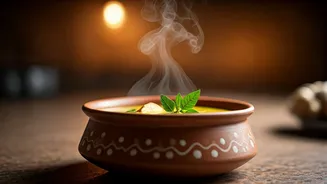
the first line of defence hasn't been a pill, but a warm, comforting cup of Kadha. This Ayurvedic decoction is more than just a home remedy; it's a cherished ritual, a symbol of care passed down from grandmothers. The act of preparing it—the slow simmering of spices, the fragrant steam filling the kitchen—is as much a part of the healing process as the drink itself. It’s a practice steeped in tradition, connecting the seasonal shift outside with the wellness rituals inside our homes.
What is Kadha?
At its core, Kadha (or 'kashayam' in the South) is a herbal concoction made by boiling various spices and herbs in water until their essence is fully extracted. The goal is to create a potent, concentrated liquid that harnesses the medicinal properties of its ingredients. Unlike tea, Kadha is typically caffeine-free and is consumed specifically for its health benefits. It’s a cornerstone of Ayurveda, designed to balance the body's 'doshas' (energies) and bolster the immune system, particularly during times of seasonal change when the body is most vulnerable.
The Powerhouse Ingredients
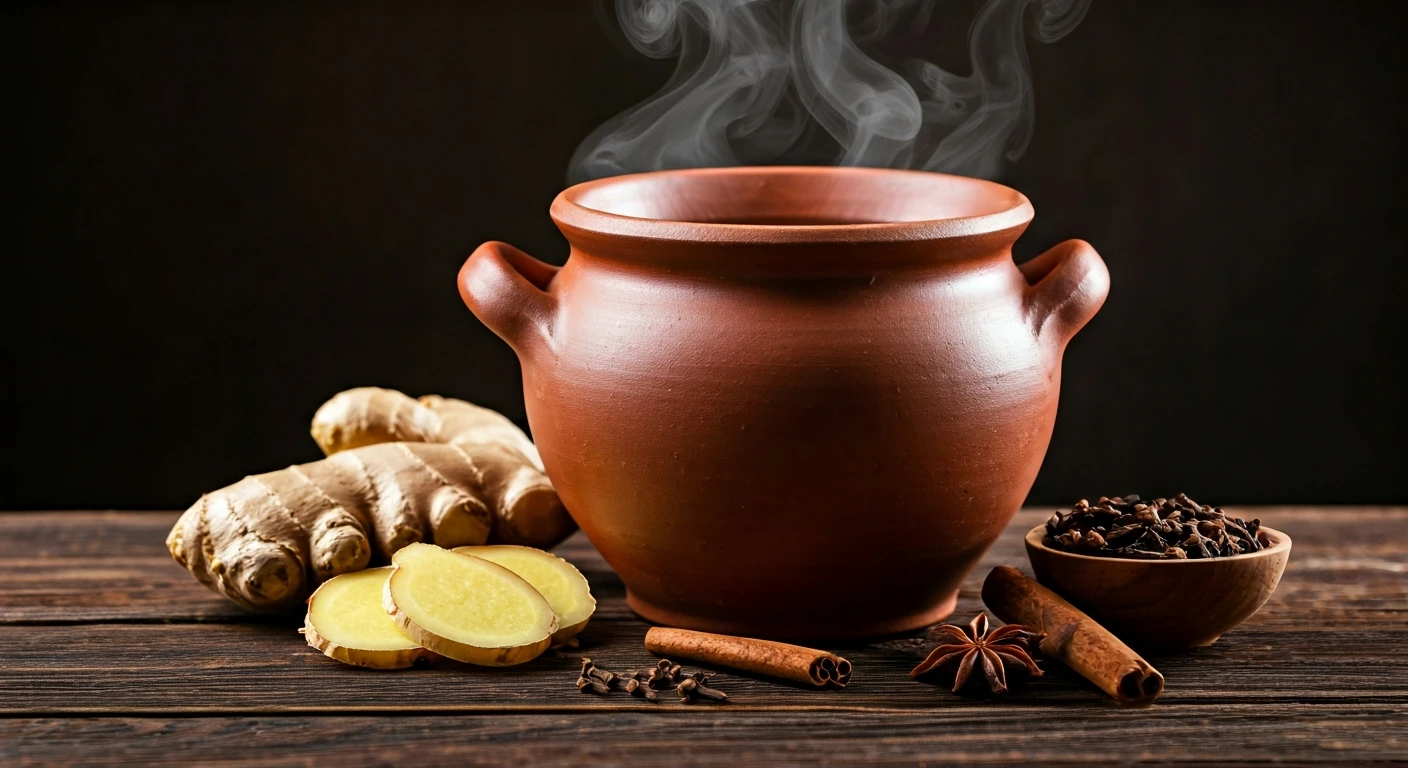
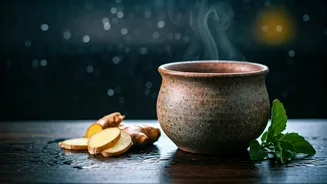
The magic of Kadha lies in its synergistic blend of everyday kitchen spices, each with its own traditional benefits. While recipes vary from household to household, a few key players are almost always present: * **Tulsi (Holy Basil):** Revered in Ayurveda, tulsi is known for its antibacterial, antiviral, and anti-inflammatory properties. It's often used to help soothe coughs and clear respiratory passages. * **Adrak (Ginger):** A powerful anti-inflammatory and antioxidant, ginger is excellent for soothing a sore throat and combating nausea. Its warming properties help fight off chills. * **Kali Mirch (Black Pepper):** Rich in piperine, black pepper not only helps in relieving congestion but also enhances the bioavailability of other nutrients, making the entire concoction more effective. * **Laung (Cloves):** With their antiseptic and analgesic properties, cloves are fantastic for throat irritation and cough relief. * **Dalchini (Cinnamon):** This fragrant spice is packed with antioxidants and is traditionally used to fight infections and reduce inflammation.
A Classic Kadha Recipe
Ready to brew your own pot of wellness? This basic recipe is a great starting point. Feel free to adjust the ingredients based on what you have and what your body needs. **Ingredients:** * 2 cups of water * 4-5 tulsi leaves * 1-inch piece of ginger, grated or crushed * 4-5 black peppercorns, coarsely crushed * 2 cloves * 1 small stick of cinnamon * A pinch of turmeric (optional) **Instructions:** 1. In a small saucepan, add the water and all the ingredients. 2. Bring the mixture to a rolling boil. 3. Reduce the heat and let it simmer for 10-15 minutes, or until the water has reduced to about half its original volume. This process ensures all the beneficial compounds are extracted. 4. Turn off the heat. Strain the liquid into a cup. 5. Serve hot. You can add a teaspoon of honey or a few drops of lemon juice for taste, but only after the Kadha has cooled slightly, as boiling honey can alter its properties.
Customise Your Comfort
The beauty of Kadha is its versatility. Think of the classic recipe as a canvas. You can add other herbs and spices based on your preference and their properties. Some popular additions include mulethi (liquorice root) for sore throats, ajwain (carom seeds) for indigestion and colds, and giloy (heart-leaved moonseed) for its potent immunity-boosting reputation. The key is to listen to your body and create a blend that feels right for you. A stronger brew might be needed when you feel a cold coming on, while a milder version can be enjoyed as a daily preventative measure during the monsoon.