




The Blueprint of a Phenomenon
The term 'pan-Indian film' gained widespread use after the monumental success of S.S. Rajamouli's Baahubali series, which began in 2015. These films, originally made in Telugu, were dubbed and released simultaneously in multiple languages, including Hindi,
Tamil, and Malayalam. This strategy transformed a regional movie into a national cultural event. Before Baahubali, films were often remade in different languages. Rajamouli’s epic, however, proved that a single, ambitious vision, if marketed correctly and rooted in universal emotions, could captivate audiences across linguistic divides. It shattered the notion that only Hindi films could achieve nationwide appeal and demonstrated the immense market potential for dubbed content when executed with perfection.
Mythology, Modernity, and Masculinity
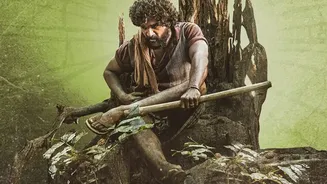
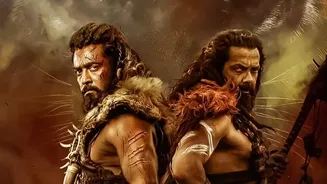
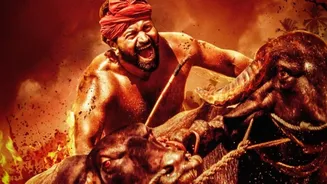
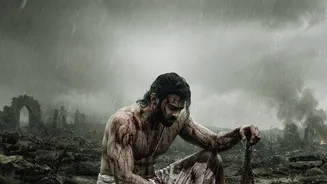
At the heart of these sagas lies a powerful storytelling formula: blending ancient Indian epic traditions with modern, high-octane action. Directors like S.S. Rajamouli have openly cited inspirations from the Ramayana, Mahabharata, and Amar Chitra Katha comics. These films feature larger-than-life heroes who are often depicted as near-deities, embodying raw power and a messianic purpose. Characters like Rocky in KGF and Allu Arjun's Pushpa Raj in Pushpa: The Rise are modern iterations of the 'angry young man' archetype, rebelling against oppressive systems. Their stories tap into deeply rooted cultural narratives of heroism, sacrifice, and justice, making them relatable even when set in fantastical or historical worlds.
Spectacle Over Subtlety
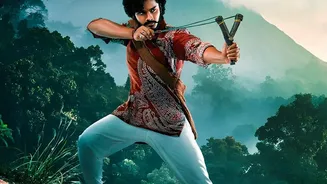
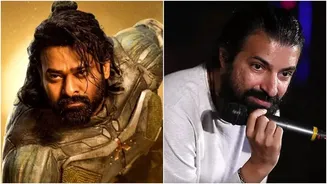
A key ingredient in this cinematic recipe is the sheer scale of production. These are event films designed to be visual extravaganzas, demanding to be seen on the big screen. They are defined by breathtaking cinematography, ambitious set pieces, and a heavy reliance on visual effects. The action is not just a sequence of fights but a form of storytelling in itself, with directors like Rajamouli and Prashanth Neel creating their own distinct, hyper-stylised visual language. This focus on visual grandeur and meticulously choreographed action ensures that the film's core appeal transcends dialogue, relying instead on a universal language of awe and adrenaline. As Rajamouli himself noted, the goal is for the audience to connect with the movie even if the dialogue is muted.
The Power of Primal Emotions
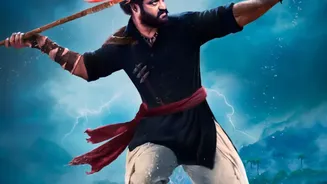
While the spectacle draws audiences in, it's the potent emotional core that makes them stay. These films are built on simple, powerful emotions that resonate universally: a son's devotion to his mother, the bonds of friendship, or a rebellion against injustice. The narrative of KGF, for instance, is driven entirely by a promise the hero makes to his dying mother. Similarly, RRR revolves around the powerful friendship between its two protagonists. S.S. Rajamouli grounds his extravagant vision in these overpowering emotions, which connect with viewers across class and cultural barriers. This emotional clarity ensures that the story lands with impact, regardless of the language in which it is being consumed.
Breaking Down Regional Barriers
The pan-Indian phenomenon has fundamentally altered the power dynamics of Indian cinema. For decades, Bollywood was considered the de facto national film industry. The success of films from the Telugu and Kannada industries has challenged this hegemony, proving that compelling content can emerge from any region. Stars like Prabhas, Yash, and Allu Arjun have become household names across the country, their fame no longer confined to their home states. This shift has also been fueled by the rise of OTT platforms, which have exposed audiences to a wider variety of regional content and made them more accepting of dubbed films. The result is a more integrated and competitive national film landscape where story and spectacle are becoming more important than the language of origin.