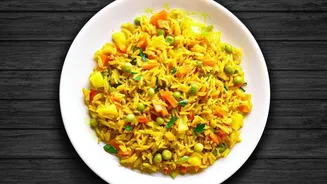



Looking for a meal that is fast, flavorful, and uses pantry staples? Lemon rice, a beloved South Indian classic, turns simple cooked rice into a vibrant and satisfying dish with the bright, tangy power of fresh lemons and simple spices.
A Taste of South Indian Sunshine
Lemon rice, known
as Chitranna or Nimmakaya Pulihora in parts of South India, is a testament to how a few simple ingredients can create extraordinary flavor. It's a popular choice for a quick lunch, a travel meal, or a light dinner because it’s both easy to prepare and incredibly delicious. The dish gets its signature taste and beautiful yellow hue from a combination of fresh lemon juice, turmeric, and an aromatic tempering of spices known as a 'tadka'. The result is a delightful balance of tangy, savory, and nutty notes in every bite.
Gathering Your Everyday Ingredients
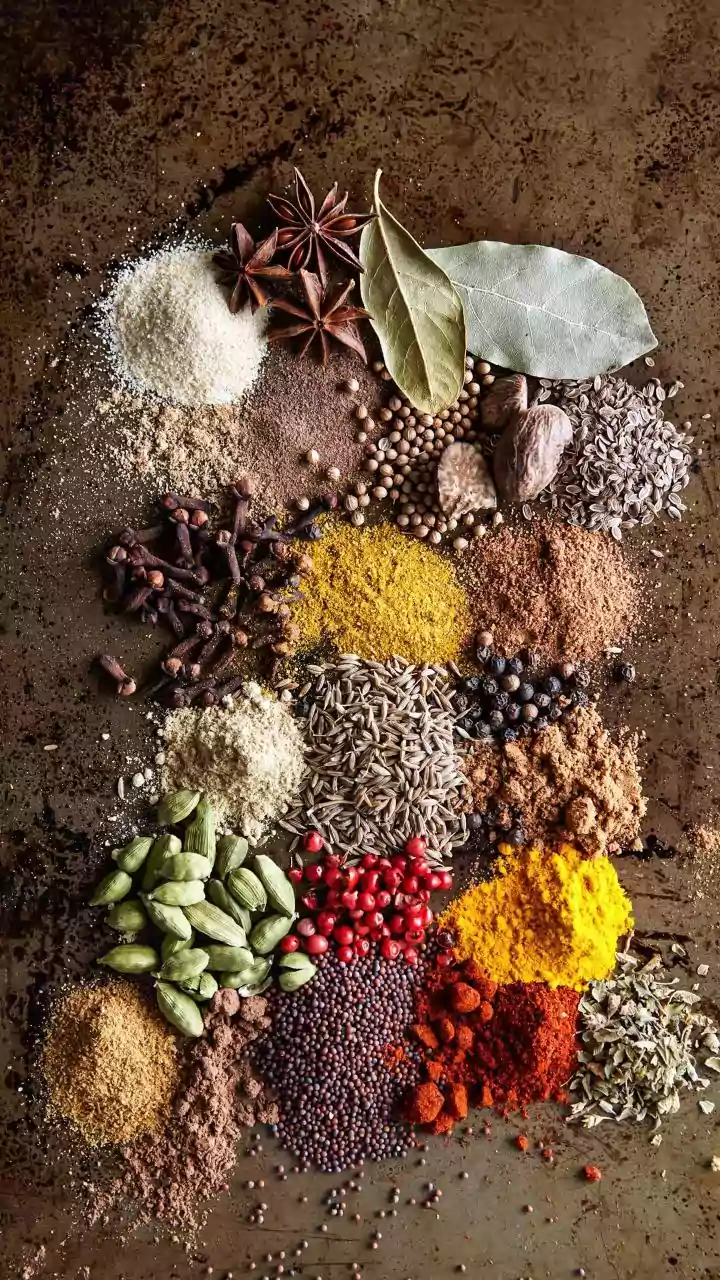
The beauty of lemon rice lies in its simplicity. You likely have most of these ingredients already. The core components can be broken down into three parts: the rice, the tempering, and the finishing touches. For the rice, any non-sticky variety like basmati or a short-grain rice works well; leftover rice is actually ideal as the cooled grains stay separate. For the tempering, you'll need oil, mustard seeds, chana dal (split chickpeas), urad dal (black gram), peanuts or cashews for crunch, dried red chillies, and curry leaves. For the vibrant flavour and colour, have turmeric powder, asafoetida (hing), salt, and of course, fresh lemons on hand. Fresh coriander makes for a perfect garnish.
Step-by-Step to a Perfect Pot
First, ensure your cooked rice is cooled. Spread it on a plate to help the grains separate; warm rice can become mushy. Next, prepare the tempering. Heat oil in a pan over medium heat. Add mustard seeds and wait for them to splutter. Then, add the chana dal, urad dal, and peanuts, frying until they turn a light golden brown, which adds a crucial crunchy texture. Follow with the dried red chillies, slit green chillies, and curry leaves, frying for another 30 seconds until fragrant. Turn down the heat, stir in the turmeric powder and a pinch of asafoetida. Finally, add this aromatic tempering mixture to your cooled rice. Pour in the fresh lemon juice, add salt to taste, and gently mix everything together until each grain is coated in the yellow, flavorful oil. Let it rest for a few minutes for the flavors to meld before serving.
Key Tips for Flawless Lemon Rice
To elevate your lemon rice from good to great, a few professional tips make all the difference. Always use freshly squeezed lemon juice for the best, brightest flavour; bottled juice can taste flat. The most critical step is to add the lemon juice after turning off the heat. Adding it to a hot pan can make the dish bitter and destroy the fresh citrus aroma. Don't be shy with the oil, as it helps coat every grain and prevents the dish from being dry. Using cooled, day-old rice is a classic secret for achieving fluffy, separate grains that don't break or clump together during mixing. Finally, taste and adjust at the end. Lemons vary in tartness, so you may need a little more juice or salt to achieve the perfect balance.
Serving and Customisation Ideas
Lemon rice is wonderfully versatile and can be served in many ways. Traditionally, it's enjoyed on its own or with simple accompaniments like papad, a side of plain yogurt (curd), or a simple pickle. It also pairs beautifully with a simple potato stir-fry (poriyal). For a more substantial meal, it serves as an excellent side dish for grilled chicken, fish, or vegetables. You can also customize the recipe by adding roasted cashews for a richer crunch or even some grated coconut for a hint of sweetness. For extra vegetable content, some recipes suggest adding finely chopped onions or bell peppers to the tempering.