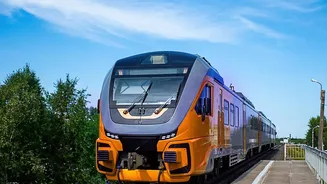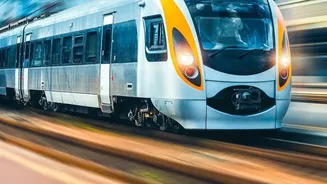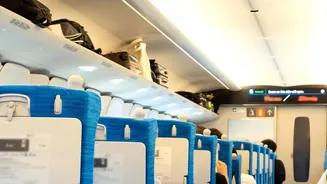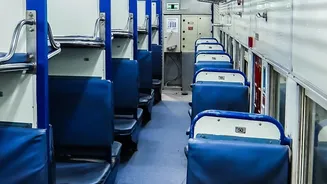







Indian Railways' premium Vande Bharat service is known for speed and comfort, but its catering has often been a point of contention. Now, IRCTC is responding not by removing meals, but by refining them in a significant new trial.
From Complaints to Compact Menus
Frequent travelers on
Indian Railways are no strangers to inconsistent meal quality, and the Vande Bharat service has not been immune. Persistent passenger complaints about stale or cold food, hygiene issues, and even insects found in meals prompted the Railway Ministry to act. Rather than offering an extensive menu of eight to ten items, which proved difficult to manage, IRCTC decided to trial a 'less is more' approach. The new strategy focuses on a compact menu, which officials believe will make it easier to monitor quality, ensure freshness, and maintain consistency across the board.
What's New on the Tray?
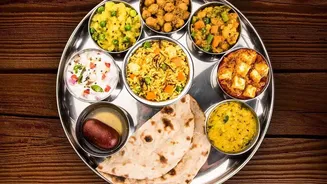
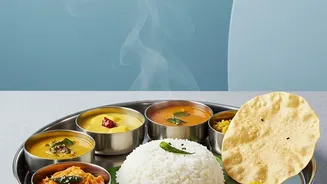
The trial, which began on November 1, 2026, has significantly trimmed the options for breakfast, lunch, and dinner. For breakfast, passengers can now choose from a simpler list that includes items like idli-vada, poha, or upma. Gone are the options of soup, omelettes, sandwiches, buttermilk, and chocolates. For lunch and dinner, the elaborate spread has been replaced by a core combination of chapati, rice, dal, and one main course, with a choice between a vegetarian dish or a chicken preparation. Items like a separate dry vegetable, curd, salad, pickles, and sweets have been removed from the standard meal tray. This airline-style approach aims for quality over quantity.
Lighter Meals on Pilot Routes
This pilot project is currently active on three key Vande Bharat sleeper routes: Mumbai-Bengaluru, New Delhi-Varanasi, and Howrah-Kamakhya (Guwahati). Alongside the reduction in menu items, the overall weight of the meal has also been reduced. A standard meal, which previously weighed between 700 and 750 grams, now weighs approximately 450 to 500 grams. IRCTC officials have clarified that while the total weight is less, the portion sizes of the individual main dishes remain the same. The reduction comes from removing the numerous accompaniments.
A New Recipe for Quality Control
A crucial part of this overhaul involves not just what is served, but who prepares it. IRCTC has partnered with major hospitality groups and cloud kitchens—the kind that service airlines and hotels—to prepare the meals for these trial routes. Partners include well-known names like TajSATS, the Mayfair Group, and Sarovar Portico Group. This move shifts food preparation from potentially cramped pantry cars or varied vendors to large, controlled kitchens designed for consistent, high-quality output. The initial results appear promising, with IRCTC's West Zone reporting a 10% drop in catering complaints since the new system was introduced.
The Future of Vande Bharat Dining
For now, this remains a pilot project. IRCTC is actively collecting and evaluating passenger feedback from the three trial routes before making any decision on a wider rollout to other Vande Bharat services or other premium trains. The move to streamline menus and partner with professional catering groups signifies a major strategic shift for railway food services. While some passengers might miss the wider variety and larger meal sizes, the primary goal is to address the long-standing and critical issue of food quality and hygiene. This adjustment shows IRCTC is listening to feedback and is willing to experiment to enhance the passenger experience on its flagship trains.