



Weather Is Your First Hurdle
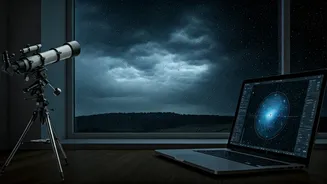
Before you even think about what you want to see, you need to know if you can see it. Weather is the single biggest variable in stargazing. A clear, cloudless sky is essential. But it's more than just an absence of clouds. You need good 'transparency'
and 'seeing'. Transparency refers to the clarity of the air; haze, dust, and humidity can all dim the view. 'Seeing' refers to the stability of the atmosphere. Twinkling stars, while beautiful, are a sign of atmospheric turbulence that will blur details on planets and the Moon. Dry, cool air, often found after a cold front passes, typically offers the best conditions. Use weather apps that provide cloud cover forecasts, humidity levels, and wind speed, as strong winds can also disturb the atmosphere and your telescope.
Escape the City Glow
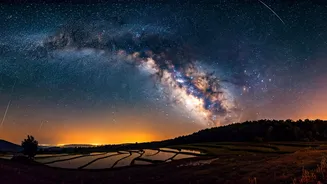
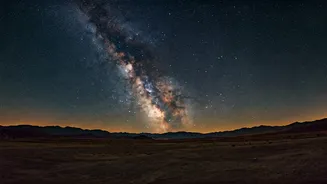
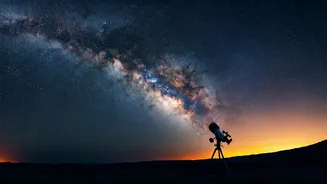
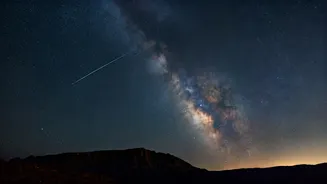
Your next major consideration is location. The artificial glow from cities and towns, known as light pollution, can wash out all but the brightest stars and planets. Finding a dark-sky site is crucial for seeing fainter objects like nebulae, galaxies, and the Milky Way. Use online resources like light pollution maps to find areas with less skyglow near you. Even getting to a local park or a rural area just outside city limits can make a significant difference. If you're stuck in a light-polluted area, focus on brighter targets like the Moon, planets, and open star clusters, as these are less affected. Turning off all lights at your viewing spot and allowing your eyes 20-30 minutes to fully adapt to the darkness will dramatically improve what you can see. Using a red-light torch helps preserve this night vision when you need to check a chart or adjust equipment.
Know What to Look For
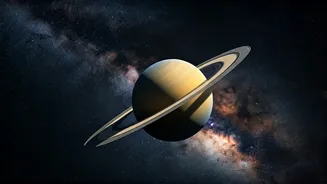
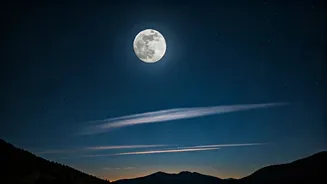
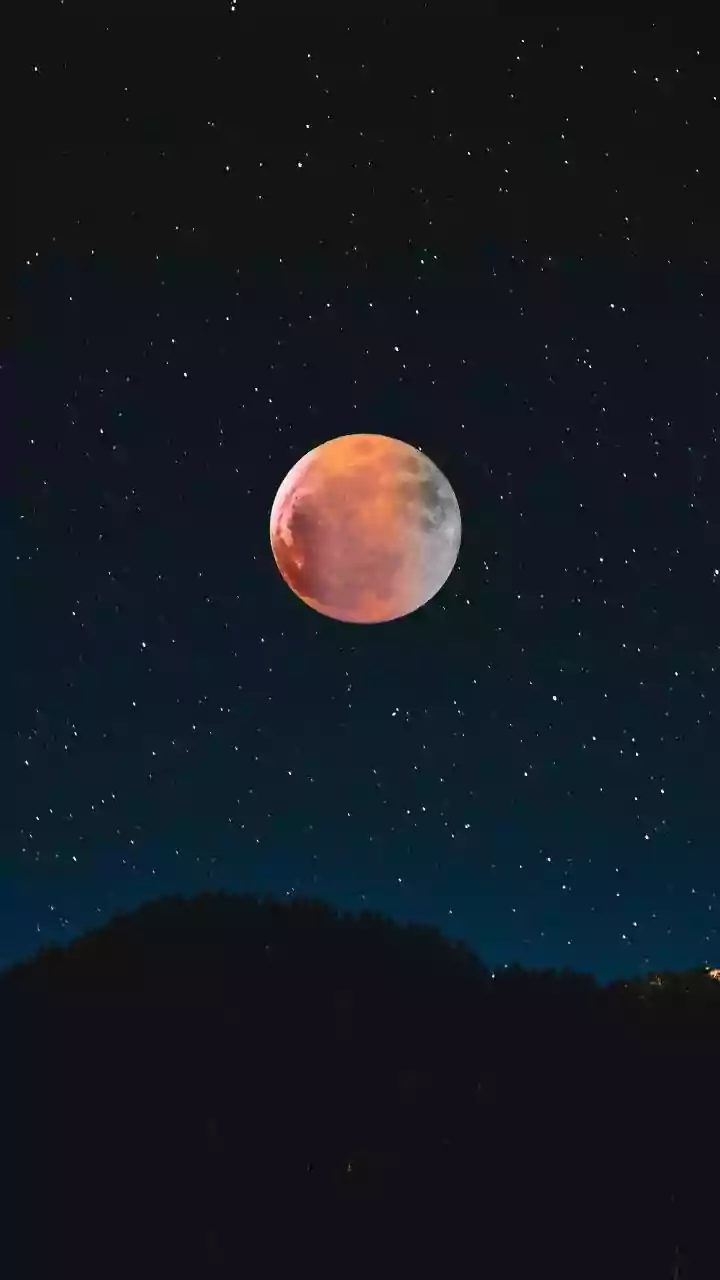
Once you have a clear, dark sky, it helps to have a target. Modern stargazing apps are invaluable tools for beginners and experts alike. Apps like Star Walk 2, SkyView, and Stellarium can use your phone's GPS to show you a real-time map of the sky, helping you identify constellations, planets, and even satellites. This July 2026, for instance, offers several opportunities. Look for a close pairing of the Moon and Saturn in the early hours of July 7 and 8. Before sunrise on July 11, a crescent Moon will form an attractive triangle with Mars and the Pleiades star cluster. Planets are often easy to spot because they tend not to twinkle like stars. A little research beforehand can turn a random scan of the sky into a purposeful treasure hunt.
The Right Gear (Is Less Than You Think)
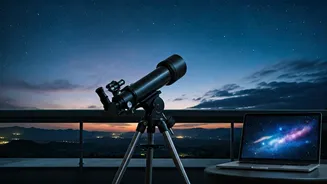
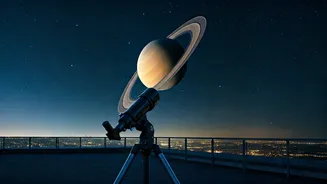
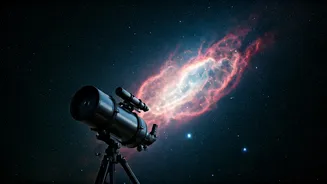
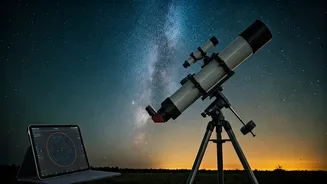
Many beginners believe they need an expensive telescope to start, but that's a common misconception. The best way to begin is with your naked eyes, learning the major constellations like Orion or Ursa Major (which contains the Big Dipper). The next step up is a good pair of binoculars. They are portable, easy to use, and can reveal stunning views of the Moon's craters, the moons of Jupiter, and sprawling star clusters like the Pleiades. Binoculars are perfect for sweeping across the Milky Way on a dark night. A telescope is a bigger investment and commitment. It's often recommended to spend at least six months learning the sky with your eyes and binoculars before considering a telescope. When you do, a larger aperture (the diameter of the main lens or mirror) is generally better as it gathers more light, but even a modest telescope can show you Saturn's rings on a clear night.
The Underrated Skill: Patience
Perhaps the most crucial tool is one you can't buy: patience. Astronomy is a hobby of waiting. You wait for the weather to clear. You wait for your eyes to adapt to the dark. And most importantly, you wait for moments of perfect 'seeing', when the atmosphere momentarily settles and a blurry planet snaps into sharp focus. An observation isn't a quick glance; it's an exercise in attentive waiting. Some astronomers will stay at an eyepiece for hours, watching an object shimmer and boil, just for a few seconds of breathtaking clarity. This practice runs counter to our culture of instant results, but the reward is a deeper connection to the cosmos. You learn to appreciate the slow, deliberate movements of the sky and build a mental picture of celestial objects over many nights of observation.