



After years of embracing convenience, a quiet but powerful shift is happening in Indian kitchens. Families are looking past fleeting food trends and rediscovering the wisdom of traditional meal routines for better health and daily wellness.
The Search for Better Health
In recent years,
the rise of quick-fix meals, processed ingredients, and a fast-food culture led to growing concerns over lifestyle-related health issues. This has prompted a collective return to the basics, with many households intentionally seeking out the wholesome, time-tested food habits of their parents and grandparents. This movement is not just about nostalgia; it is a conscious decision to prioritize health, moving away from diets high in refined sugars and ultra-processed ingredients that have become increasingly common. People are rediscovering that the principles of good nutrition have long been embedded in our own culinary heritage.
The Wisdom in Traditional Routines
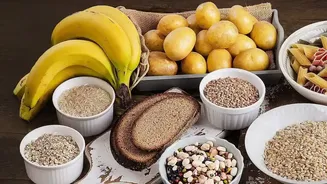
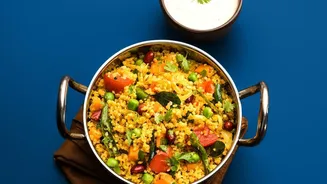
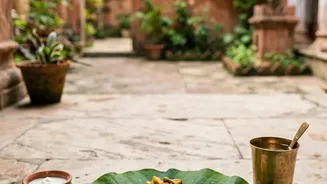
So, what exactly does a 'traditional meal routine' entail? It is a holistic approach that goes far beyond specific recipes. A key principle is eating seasonally and locally. Traditional diets naturally align with what is fresh and most nutrient-dense at a particular time of year, which Ayurveda suggests supports digestion and immunity. This approach also emphasizes a balanced plate—often a thali—that includes whole grains, plant-based proteins like dals and legumes, seasonal vegetables, and fermented foods such as dahi (curd). This combination ensures a rich intake of dietary fiber, essential micronutrients, and probiotics that are crucial for gut health.
Grandma's Kitchen Was a Pharmacy
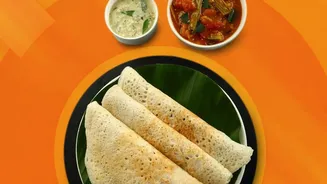
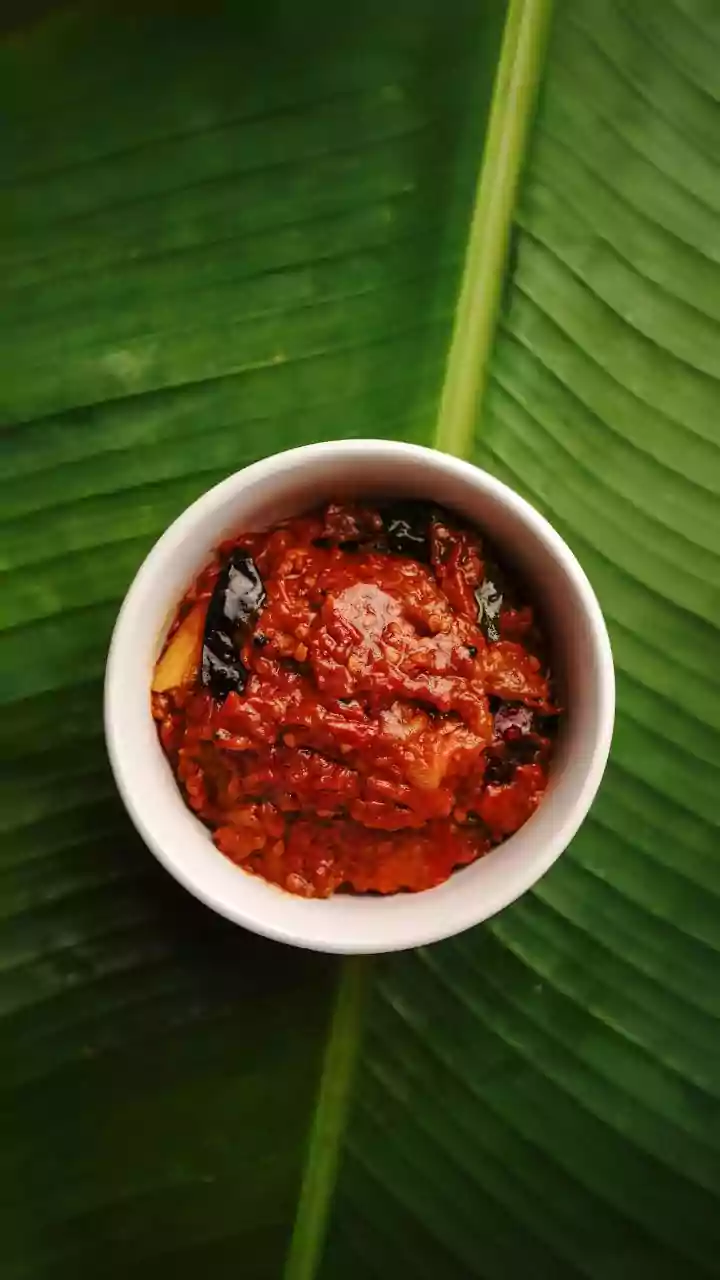
Many elements of traditional Indian cooking are now being celebrated for their scientifically-backed health benefits. The generous use of spices like turmeric (for its anti-inflammatory curcumin), ginger (for digestion), and cumin are prime examples. Fermented foods like idli, dosa, and homemade pickles are natural sources of probiotics, which are vital for a healthy gut microbiome. Furthermore, traditional meals are typically high in fiber from lentils, whole grains, and vegetables. Fiber not only aids digestion but also helps in regulating blood sugar levels and contributes to longterm metabolic health.
Modern Twists on Timeless Classics
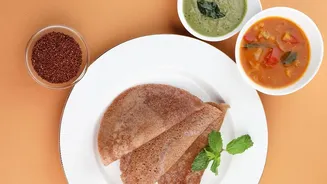
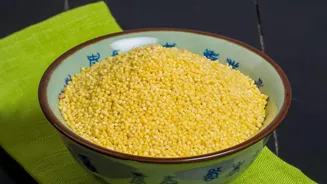
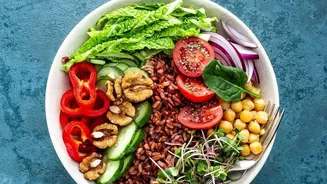
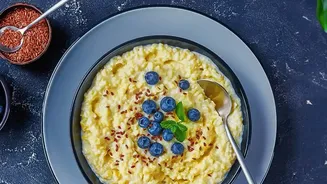
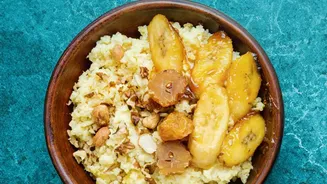
This return to tradition is not a rigid rejection of modern life. Instead, households are creatively adapting ageold practices to fit contemporary lifestyles. For instance, ancient grains like millets are being incorporated into modern recipes like salads and porridges. Chefs and home cooks are using modern techniques and appliances to prepare traditional dishes more efficiently, without compromising on nutrition. This fusion approach makes traditional eating more accessible, blending the authenticity of family recipes with the convenience demanded by today's fastpaced world.
More Than Just Food on a Plate
The revival of traditional eating is also about reconnecting with food on a deeper level. The practice encourages mindfulness, from sourcing fresh ingredients to the process of cooking itself. It often brings families together, turning mealtime into a shared experience rather than a solitary act of consumption. This shift fosters a greater appreciation for food, where it comes from, and the cultural stories embedded in recipes passed down through generations. In a world of 'instant' everything, the slow, deliberate act of preparing a traditional meal is becoming a form of therapy and a way to build stronger family bonds.