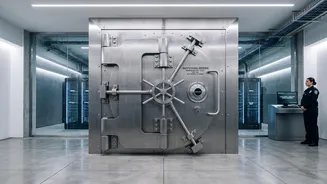








In late October 2026, the crypto world was shaken by news of the largest digital asset theft in history: a staggering $6.3 billion vanished from Binance, the world's biggest exchange. Here’s a breakdown of the complex investigation that followed.
The Anatomy of a Record-Breaking Heist
On October
29, 2026, attackers drained approximately $6.36 billion from Binance's hot wallets across ten different blockchains in a coordinated attack that lasted about 20 minutes. The sheer scale of the theft is unprecedented, dwarfing the previous record-holding hack of $1.5 billion from Bybit in 2025. The FBI swiftly attributed the attack to 'TraderTraitor', a hacking unit linked to North Korea. This wasn't a simple breach. In a post-mortem report, Binance detailed a sophisticated, months-long campaign that began as early as June 2026. The attackers employed a combination of social engineering, including fake job interviews, and malicious software to gain access to internal systems.
A Multi-Stage Attack Unfolds
The infiltration was a masterclass in patience and deception. It started in June when a Binance engineer downloaded malicious software disguised as a popular AI coding tool. Though Binance's security team detected the threat and replaced the device, the attackers had already gathered key information. Months later, another engineer was lured into a fake recruitment process, complete with video interviews and a downloadable 'assignment' that contained malware. This gave the hackers a deeper foothold. Ultimately, they compromised multiple employees' devices and an internal AI tool to gain the credentials needed to authorise the massive withdrawals.
The Global Response and Fund Recovery
The response was immediate. Binance suspended withdrawals and worked with law enforcement and blockchain security firms to trace the stolen assets. A significant portion of the loot was in stablecoins like USDT and USDC, which allowed their issuers, Tether and Circle, to freeze the tokens. Through these collaborative efforts, approximately $2.85 to $3 billion of the stolen funds were quickly frozen or intercepted, preventing the hackers from cashing them out. The remaining unfrozen assets, primarily in Bitcoin and Ethereum, became the subject of an intense cat-and-mouse game as the hackers attempted to launder them through thousands of different wallets and decentralised services.
Binance's Promise to Users
From the outset, Binance CEO Richard Teng and the company publicly committed to covering all user losses. In a statement, Binance confirmed it would use its Secure Asset Fund for Users (SAFU) and corporate reserves to absorb the full financial impact. Within days of the hack, the exchange announced it had already replenished the vast majority of the stolen tokens and began a phased resumption of withdrawal services. This quick action to make customers whole stands in contrast to many past exchange hacks where users often faced long waits or permanent losses, and it served as a major test of Binance's financial resilience.
Implications for the Crypto Industry
This event has sent shockwaves far beyond Binance, prompting U.S. regulators like the Federal Reserve to contact banks about their cybersecurity posture. The heist highlights the persistent and evolving threat posed by state-sponsored actors targeting the crypto industry. North Korea is believed to use stolen crypto to fund its weapons programs in defiance of international sanctions. The attack also exposed the potential dangers of compromised AI tools in cyberattacks. While the rapid freezing of nearly half the funds demonstrates the growing effectiveness of onchain security cooperation, the incident is a sobering reminder of the high stakes and sophisticated adversaries operating in the digital asset space.