




A Double Meteor Shower Peaks
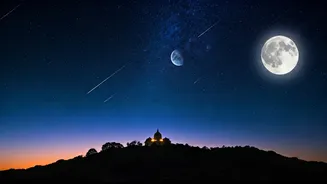
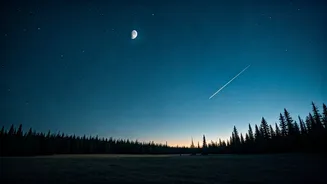
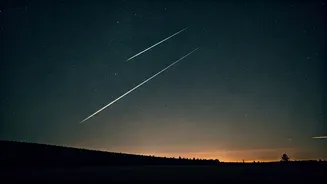
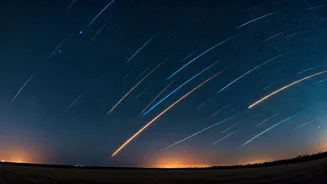
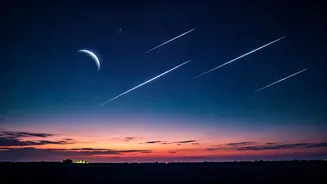
The main attraction for the end of July is a celestial double-header: the Southern Delta Aquariid and Alpha Capricornid meteor showers. Both are scheduled to reach their peak activity on the nights of July 30th and 31st. The Southern Delta Aquariids are known
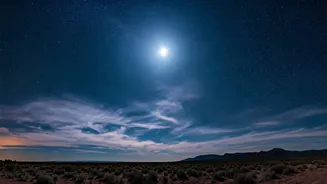
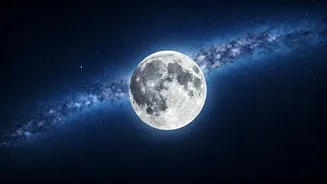
for a steady stream of meteors, with rates of up to 25 per hour under ideal dark-sky conditions. The Alpha Capricornids are less frequent, producing about five meteors per hour, but are famous for their slow-moving, intensely bright fireballs that can light up the entire sky. However, there is a catch for 2026. The peak nights coincide with a nearly full moon, whose bright glare will wash out many of the fainter meteors. Stargazers shouldn't be entirely discouraged, though. The bright fireballs from the Capricornids can often pierce through the moonlight, and patient observers can still be rewarded.
How to Maximise Your Meteor View
To make the most of the meteor showers despite the bright moon, timing and location are everything. The best viewing window in India will be in the pre-dawn hours, roughly between 1:30 a.m. and 4:30 a.m. IST on July 30th and 31st, when the radiant point of the showers is highest in the sky. For a better chance, you could also try watching in the week before the peak, between July 21 and 26, when the moon sets earlier, leaving behind darker skies.
Find a safe spot away from city lights, as light pollution is the biggest obstacle to seeing faint meteors. You don't need any special equipment like telescopes or binoculars; your eyes are the best tool. Give your eyes at least 20-30 minutes to fully adapt to the darkness—that means no looking at your phone. Lie back on a blanket or recline in a chair, look up at a wide expanse of the sky, and be patient. The meteors can appear anywhere, not just from their radiant point in the Aquarius constellation.
The Planets on Parade
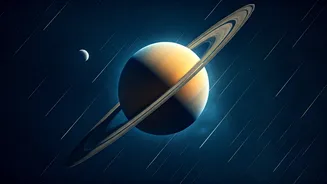
Beyond the meteor showers, several planets will be putting on a show. The most dominant will be brilliant Venus, which rules the western sky as an “evening star” right after sunset. It’s impossible to miss. Saturn will also be a prominent feature, rising in the east around midnight and appearing as a steady, golden point of light that doesn't twinkle. It will be visible for the rest of the night, high in the sky before dawn.
Mars will be visible in the pre-dawn eastern sky, identifiable by its distinct reddish glow. While Jupiter will be disappearing into the sun's glare by late July, its absence is more than made up for by the other visible worlds. For those with binoculars, a rare close conjunction of Mars and Uranus occurs early in the month, a special treat for dedicated observers.
Spotting Summer Constellations
While you're out waiting for meteors, take the time to spot some of the iconic constellations of the season. Look south for the distinctive hook shape of Scorpius, the scorpion. Nearby, you'll find Sagittarius, which is often identified by an asterism (a pattern of stars) that looks like a teapot.
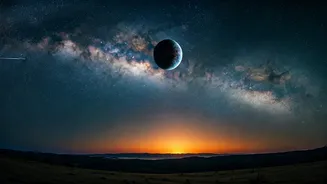
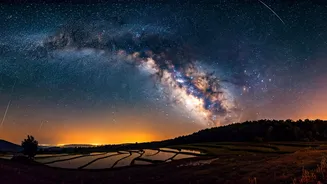
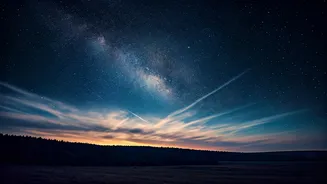
These constellations are particularly special because they mark the direction of the center of our own Milky Way galaxy. In a truly dark location, away from city and moonlight, this is where you can see the Milky Way's dense, cloudy band of stars stretching across the sky. The new moon around July 14th provides the darkest conditions for this, but even in late July, finding a dark window after moonset can reveal this breathtaking sight.