


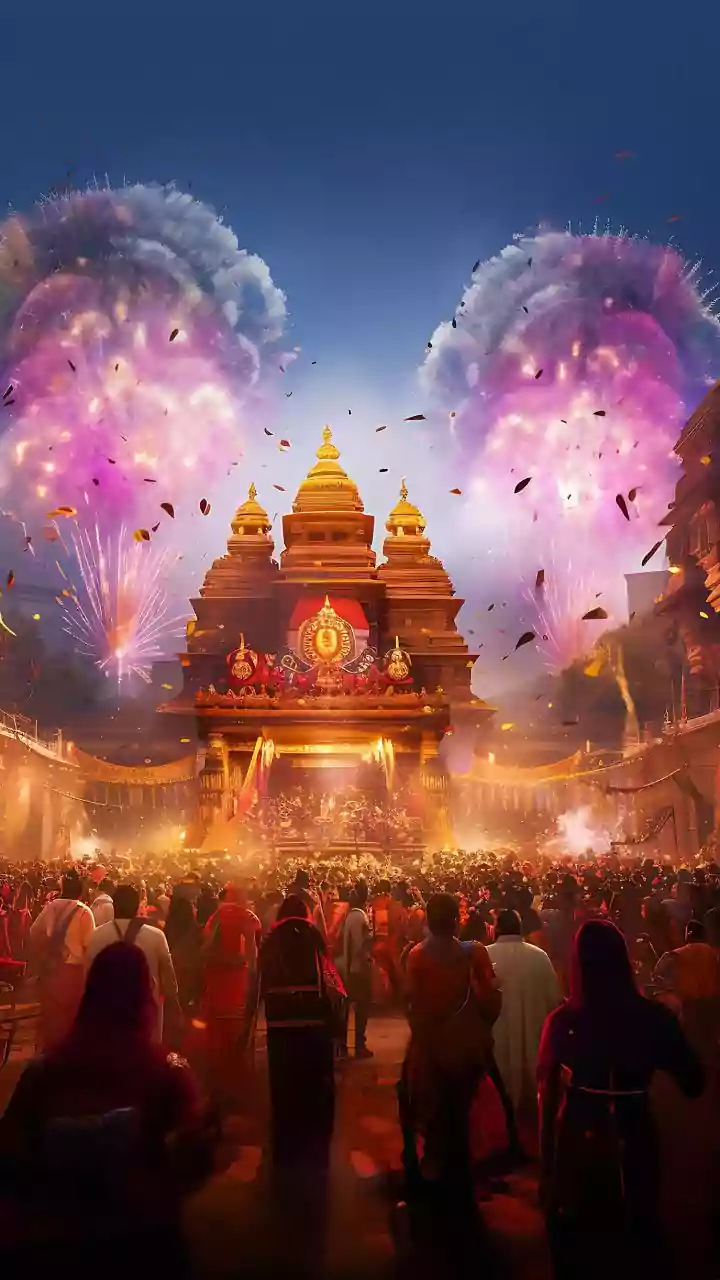
While Diwali lights up homes across India, for Gujaratis the celebration extends into a unique New Year. This festival, known as Bestu Varas, blends financial renewal with spiritual devotion, adding a distinct regional texture to the five-day festival.
A New Day, A New Year
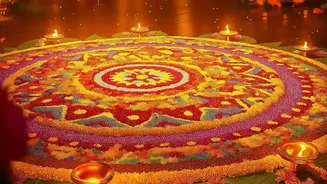
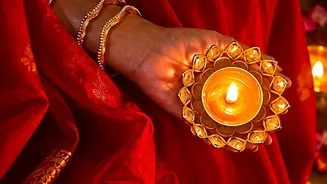
For most of India, Diwali is a five-day affair culminating in Bhai Dooj. But for Gujaratis, the day after Diwali marks the beginning of a new year, or 'Bestu Varas'. According to the Gujarati calendar, which follows the Vikram Samvat, this day is Kartik Sud Ekam, the first day of the month of Kartik. This timing is unique, as many other Hindu communities across India celebrate their new year in the spring. This autumn new year aligns with the post-monsoon harvest, making it a natural time for closure and fresh starts, both agriculturally and financially. The day begins with families waking up early, adorning their homes with colourful rangoli, and visiting temples to seek blessings for a prosperous year ahead.
The Sanctity of 'Chopda Pujan'
A cornerstone of the Gujarati New Year is the ritual of 'Chopda Pujan'. Traditionally performed on Diwali night or on New Year's Day, this ceremony is especially significant for the region's vibrant business community. 'Chopda' refers to traditional account books. During the puja, new ledgers are consecrated before the idols of Goddess Lakshmi, the goddess of wealth, and Lord Ganesha, the remover of obstacles. Auspicious symbols like the Swastika are drawn on the first pages, and mantras are chanted to bless the books, ensuring a profitable and smooth financial year. It's a symbolic act of wiping the slate clean and inviting prosperity. In a modern twist, many business owners now perform the puja on their laptops and digital devices, blending ancient faith with contemporary practice.
A Mountain of Food for 'Govardhan Puja'
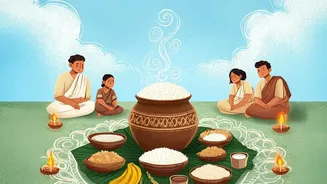
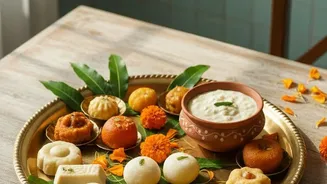
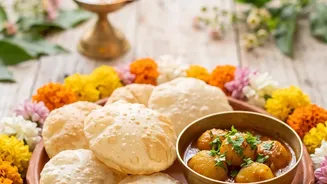
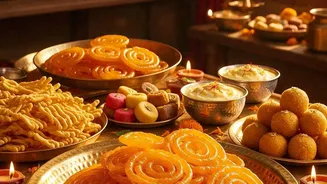
The Gujarati New Year often coincides with Govardhan Puja, a festival commemorating Lord Krishna lifting the Govardhan Hill to protect the villagers of Gokul from the wrath of Indra, the rain god. To celebrate this, devotees prepare an 'Annakut', which translates to 'a mountain of food'. A vast array of vegetarian dishes, often numbering fifty-six different items (known as 'Chappan Bhog'), is artistically arranged and offered to the deity. This offering symbolises gratitude for nature's bounty and Krishna's protection. A mound of rice is typically placed in the centre to represent the Govardhan Hill itself. After the offering, this sanctified food is distributed among the devotees as 'prasad', reinforcing a sense of community and shared blessings.
The Warmth of 'Saal Mubarak'
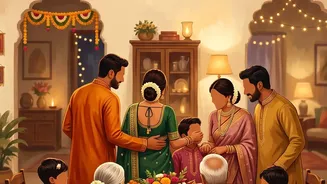
Beyond the formal rituals, the spirit of Bestu Varas shines through its social customs. People dress in new clothes, a symbol of a fresh start, and spend the day visiting friends and relatives. The traditional greeting exchanged is 'Saal Mubarak', a phrase carrying wishes for a happy and prosperous new year. It's more than a simple greeting; it is an expression of goodwill and a renewal of social bonds. This day is also a time for forgiveness, where old grievances are set aside, and relationships are strengthened. The festive atmosphere is filled with the sharing of sweets and traditional Gujarati snacks, making it a day of warmth, connection, and communal joy.