







Why the Monsoon Murders Your Mane
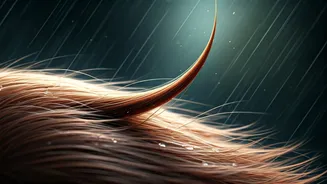
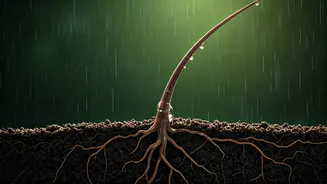
It’s not just your imagination. The connection between monsoon and increased hair fall is a well-documented phenomenon. The primary culprit is the dramatic spike in humidity. Your hair is porous, and when the air is thick with moisture, the hair shaft
absorbs this excess water, causing it to swell. This swelling makes the hair weak, brittle, and far more prone to breakage. Furthermore, the damp, warm environment is a perfect breeding ground for fungal and bacterial infections on the scalp. Conditions like dandruff and seborrheic dermatitis flare up, leading to an itchy scalp and weakened hair follicles, which in turn accelerates shedding.
Is Losing 200 Strands Really Normal?
Seeing a number like '200 strands' can be alarming, and rightly so. On a normal day, it’s typical to lose between 50 to 100 strands of hair as part of the natural hair growth cycle. During seasonal transitions, especially the onset of monsoon, this number can temporarily increase to around 150. However, if you are consistently seeing clumps of hair that seem to amount to 200 strands or more per day, it's a clear signal that your hair and scalp need immediate attention. While often manageable with the right care, such significant loss shouldn't be ignored as it could also point to underlying nutritional deficiencies or hormonal imbalances exacerbated by the season.
Fortify From Within: Your Monsoon Diet
What you eat has a direct impact on the strength of your hair. During the monsoon, it's crucial to double down on nutrients that support hair health. Focus on incorporating iron-rich foods like spinach, lentils, and beetroot to combat anemia, a common cause of hair loss. Protein is the building block of hair, so ensure you’re getting enough from sources like eggs, paneer, chickpeas, and dals. Biotin and zinc are also superstars for hair growth; find them in nuts, seeds (especially pumpkin seeds), and whole grains. Finally, stay hydrated by drinking plenty of water, as this helps maintain overall scalp health and hair elasticity.
Rethink Your Hair Wash Routine
How you wash your hair can either help or harm it during this vulnerable season. First, avoid using hot water, which can strip your scalp of its natural oils and further weaken hair. Opt for lukewarm or cool water instead. Choose a gentle, sulphate-free shampoo to avoid harsh chemicals that cause dryness and irritation. Given the humidity and potential for scalp buildup, you might need to wash your hair more frequently (perhaps every other day) to keep the scalp clean and prevent fungal growth. Always be gentle when shampooing; use your fingertips to massage the scalp rather than your nails.
The Art of Drying and Combing
Your hair is at its most fragile when wet. Aggressively rubbing it with a coarse towel is a recipe for breakage and frizz. Instead, gently squeeze out excess water and pat it dry with a soft microfiber towel or even an old cotton t-shirt. When it comes to detangling, patience is key. Never try to comb or brush your hair when it's soaking wet. Wait until it's at least 50% dry, and then use a wide-toothed comb. Start detangling from the ends and slowly work your way up to the roots. This method prevents you from yanking on knots and pulling out hair from the follicle.
When to Seek Professional Help
While these tips can significantly reduce monsoon hair fall, they aren't a cure-all. If you've made these changes for a few weeks and are still experiencing excessive shedding, bald patches, or severe scalp irritation, it's time to consult a professional. A dermatologist or a trichologist can conduct a proper diagnosis to identify any underlying medical conditions, such as hormonal issues or severe nutritional deficiencies, that might be contributing to the problem. They can recommend specific treatments, medicated shampoos, or supplements tailored to your needs.