

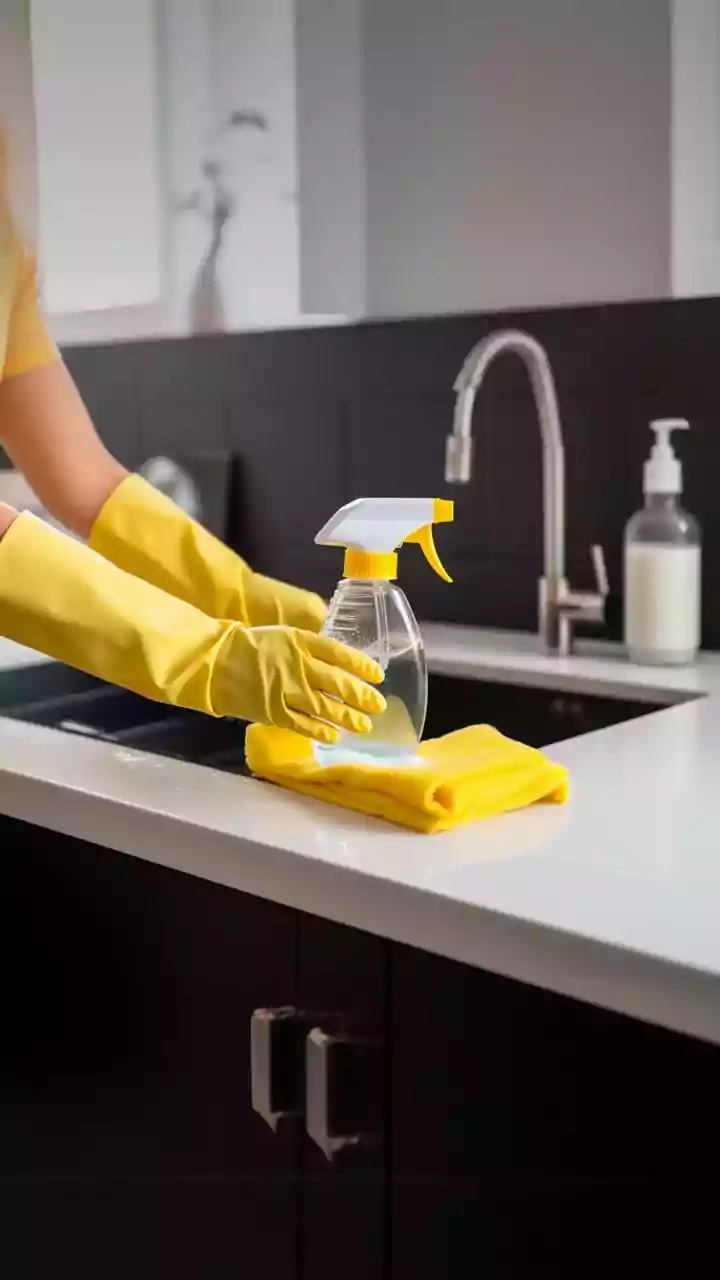






The Monsoon Cleaning Challenge
The high humidity during the monsoon creates the perfect breeding ground for mould and mildew on walls, in cupboards, and even on clothes. This not only causes a persistent musty odour but can also attract a host of unwanted pests like silverfish, ants,
and cockroaches. The dampness encourages bacterial growth, making surfaces feel sticky and unhygienic. For many Indian homes, tackling these issues without resorting to a constant barrage of harsh chemicals is a major seasonal goal. This is where the renewed interest in traditional, nature-based solutions comes into play.
The Rise of Natural Alternatives
In recent years, there has been a significant shift in consumer preferences in India towards natural and eco-friendly products. This trend is driven by a growing awareness of the potential health impacts of chemical-based cleaners, especially concerning indoor air quality and respiratory issues, which can be aggravated in damp weather. Consumers are looking for cleaning agents that are not only effective but also safe for families with children and pets. Cost-effective and multipurpose ingredients that have been trusted for generations are now being seen as smart, sustainable choices for modern homes.
White Vinegar: The Fungal Foe
White vinegar is a powerhouse cleaner primarily due to its acetic acid content, which gives it a low pH. This acidity is highly effective at killing many species of mould and mildew spores and preventing their regrowth. It works by breaking down the structure of these fungi. For monsoon problems, a simple spray of undiluted white vinegar can be used directly on mouldy patches on walls or inside damp wardrobes. Left for an hour before wiping, it helps eliminate the mould and neutralises the musty odours that come with it. It’s also excellent for cleaning glass surfaces, tiles, and kitchen counters, cutting through grime and leaving them sparkling.
Neem: Nature's Protector
Neem has been a cornerstone of traditional Indian medicine and home care for centuries, prized for its potent antibacterial, antifungal, and insect-repellent properties. The active component, azadirachtin, is a natural insect repellent that disrupts the life cycle of common pests. During the monsoon, when insects are more prevalent, neem becomes an invaluable ally. Boiling a handful of neem leaves in water and using the cooled, strained liquid to mop floors or wipe down surfaces can help keep your home hygienic and pest-free. A spray made from neem oil can also be used to target areas where insects tend to gather.
Simple DIY Cleaning Recipes
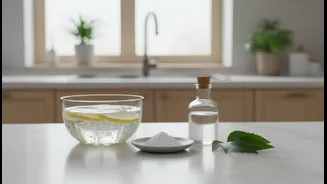
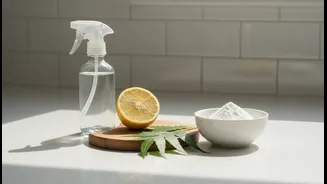
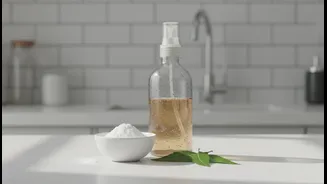
Harnessing the power of these ingredients is simple. For an all-purpose mould and mildew spray, fill a spray bottle with undiluted white vinegar. Spray directly onto affected surfaces, let it sit for about an hour, and then wipe clean with a damp cloth. For a natural floor cleaner and disinfectant, boil a large handful of neem leaves in two litres of water for 15 minutes. Let it cool, strain it, and use this water for mopping. To create a pest-repellent spray, mix one teaspoon of neem oil with a few drops of liquid soap (as an emulsifier) in one litre of water and spray in corners, near drains, and around window sills.
Important Precautions to Remember
While natural, these ingredients are potent and require careful handling. Vinegar's acidity can damage certain surfaces. You should never use it on natural stone like marble or granite, as it can cause etching and dull the finish. It can also degrade the sealant on unsealed grout and damage certain waxed wood finishes over time. Always perform a patch test on a small, inconspicuous area first. Similarly, when using neem oil, ensure good ventilation. Although it's natural, it has a strong smell and should be kept out of reach of children and pets.