






From Kirana to Everything Store
Not long ago, quick commerce platforms like Blinkit, Zepto, and Swiggy Instamart were our digital saviours for milk, bread, and last-minute cooking ingredients. Born from the need for convenience, these apps mastered the art of delivering groceries in minutes.
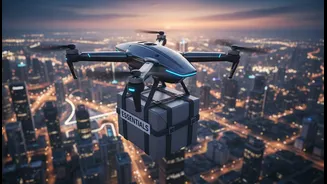
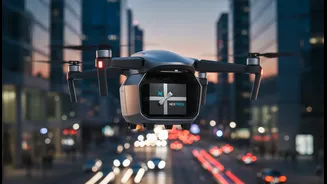
But the game is changing. These platforms are no longer just about groceries; they are rapidly evolving into horizontal marketplaces for almost anything you might need instantly. This shift is deliberate and signals a new phase for retail in India, where the promise isn't just about getting what you need, but getting it right now.
The Search for Higher Margins
The primary driver behind this expansion is simple: economics. Groceries are a notoriously low-margin business. While they drive high-frequency orders, profitability per order remains thin. To build a sustainable business, companies need to increase the average value of each order. Enter high-margin categories like electronics, beauty products, fashion, and small home appliances. A smartphone charger, a branded lipstick, or a pair of headphones offers a much healthier profit than a bunch of bananas. By expanding their assortment, platforms encourage users to add more items to their carts, which is crucial for improving unit economics and paving a path to profitability in a cash-intensive industry.
What's on the Instant Menu Now?
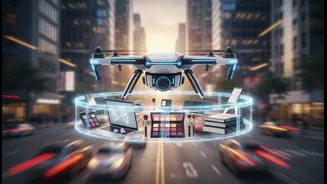
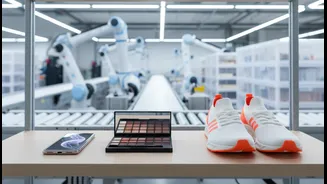
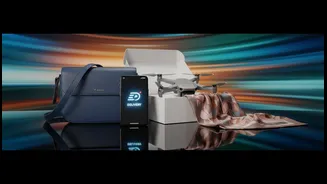
The range of products available for instant delivery is expanding at a dizzying pace. Blinkit now offers everything from electronics like earbuds and smartwatches to home appliances and even books and stationery. Zepto has ventured into apparel, beauty, home goods, and electronics, positioning itself as a solution for urgent needs beyond the kitchen. Swiggy Instamart has similarly broadened its catalogue to include smartphones, makeup, and toys, accessible across 100 cities. This diversification means consumers can now get a new t-shirt for an impromptu event, a phone charger when theirs breaks, or a toy for a last-minute birthday gift, all within minutes.
The Engine Room: Dark Stores and AI
This instant delivery magic is powered by a sophisticated network of 'dark stores'—small, strategically located warehouses that are not open to the public. These fulfillment centers are optimized for speed, with AI-driven inventory management systems predicting demand on a hyperlocal level. To accommodate the expanding product range, companies are now setting up larger 'megapods' or mega dark stores that can stock tens of thousands of different items, from fresh produce to fashion accessories. This robust infrastructure is the backbone that allows these platforms to promise and deliver such a wide variety of goods in a short time frame.
The Road Ahead: Challenges and Opportunities
Despite the rapid growth, the journey for quick commerce is not without its challenges. The industry is fiercely competitive and operates on thin margins, with companies spending heavily on marketing and logistics to capture market share. Profitability remains the key question, with many platforms still working towards breaking even on each order. Furthermore, there is debate about the impact on local kirana stores, which face stiff competition from these well-funded giants. However, the convenience offered is undeniable. As these platforms mature, the focus is shifting from pure speed to building sustainable business models through customer loyalty, advertising revenue, and operational efficiency.