






The Weak Yen Paradox
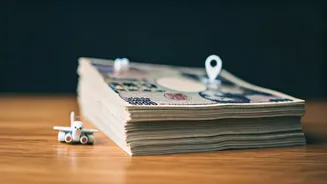
On the surface, a weak yen is a traveller's dream, making everything from hotel rooms to bowls of ramen cheaper. This affordability has fuelled an unprecedented tourism boom, with visitor numbers soaring. However, this surge has a downside. The massive
influx of tourists, all seeking to take advantage of favourable exchange rates, is putting a significant strain on the country's cash infrastructure. While your home currency stretches further, accessing and using your money in Japan now requires more foresight than before.
Why Cash Is Still Crucial
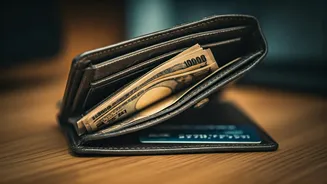
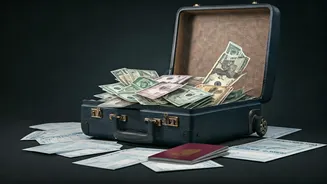
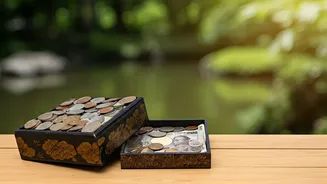
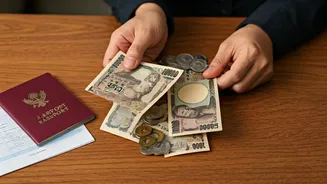
Despite its high-tech image, Japan remains a surprisingly cash-based society, especially outside of major metropolitan hubs. Many smaller restaurants, local shops, street food stalls, temples, and markets do not accept credit cards. Tourists who arrive assuming they can rely solely on plastic are often caught short. This isn't just a rural issue; even in cities like Tokyo and Kyoto, beloved local eateries and souvenir shops may be cash-only. This reliance on physical currency means travellers are withdrawing more cash, leading to new complications.
The ATM and Card Challenge
Here's the core of the problem: not all ATMs in Japan accept foreign-issued cards. While credit card acceptance has grown, especially in hotels and department stores, it's far from universal. The most reliable ATMs for international visitors are those located in 7-Eleven convenience stores (Seven Bank) and post offices (Japan Post Bank). However, due to high demand from tourists, these machines are reportedly running out of cash more frequently. Furthermore, even if an ATM is compatible, your own bank might block the transaction, suspecting fraud, if you haven't notified them of your travel plans.
Your New Financial Game Plan
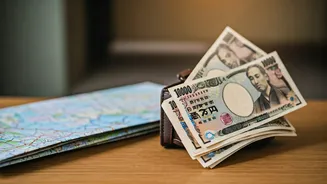
To avoid stress, you need a multi-pronged financial strategy. First, exchange a significant amount of yen in your home country before you leave. Arriving with enough cash for at least a few days is highly recommended. Second, notify your bank and credit card companies of your travel dates to prevent your cards from being blocked. Third, create a payment hierarchy: use credit cards (Visa and Mastercard are most widely accepted) for large purchases like hotels and major retail, and use cash for everything else. Lastly, consider getting a prepaid IC card like a Suica or Pasmo for transport and small convenience store purchases, which you can top up with cash.
A Note on Digital and Debit Cards
While Japan has its own popular QR code payment systems, these are often linked to local bank accounts and are not easily accessible for tourists. Your international debit card should work at compatible ATMs for cash withdrawals, but its acceptance for point-of-sale purchases can be less reliable than a credit card. The safest bet is to treat your debit card as a tool for getting cash from a 7-Eleven or Post Office ATM, not for everyday swiping. Always have a backup card from a different bank, just in case one is declined or lost.