


Beyond the Sightseeing Checklist
For years, travel has been defined by a checklist of sights. You go to Agra for the Taj, to Jaipur for the forts, to Goa for the beaches. This destination-first approach works well in perfect weather. But when the skies open up, that checklist can quickly
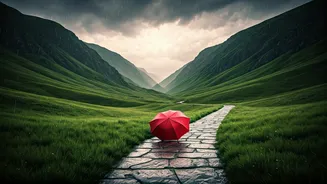
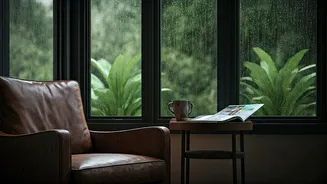
become a source of frustration. Closed roads, cancelled boat trips, and drenched sightseeing tours can make a holiday feel like a failure. Experience-first travel flips the script. Instead of asking “Where should I go?”, it asks, “What do I want to feel or do?” Do you want to curl up with a book and a cup of chai while watching the rain lash against a window overlooking a valley? Do you want the deep rejuvenation of a wellness retreat? Or the thrill of trekking through a landscape transformed into a sea of green? By prioritising the experience, the weather ceases to be an obstacle and becomes part of the atmosphere.
The Peak Season for Wellness
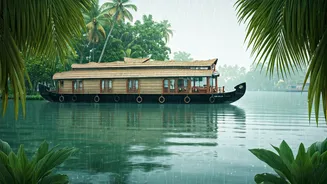
Nowhere is the benefit of monsoon travel more evident than in the world of wellness. In Kerala, the birthplace of Ayurveda, the monsoon is not the off-season; it’s the peak season for treatment. Traditional wisdom holds that the humid, cool, and dust-free atmosphere during the rains helps the body become more receptive to therapies. Pores are believed to open up, allowing herbal oils and treatments to work more effectively. Beyond the specific therapies, the entire environment is geared towards healing. The sound of constant rain is a natural white noise machine, the lush greenery is soothing to the eye, and the slower pace of life encourages introspection and rest. It’s a sensory immersion in tranquillity that sunny weather simply cannot replicate.
When Nature Puts on a Show
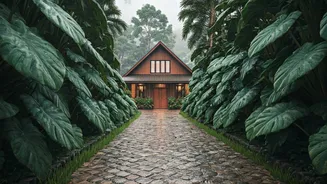
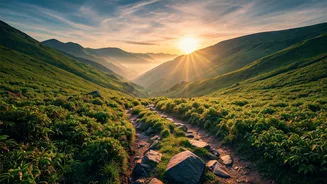
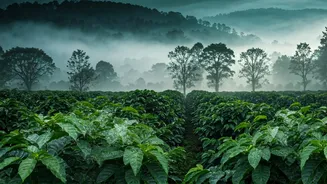
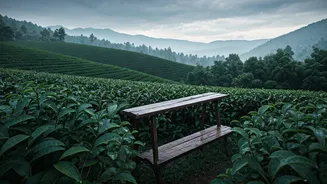
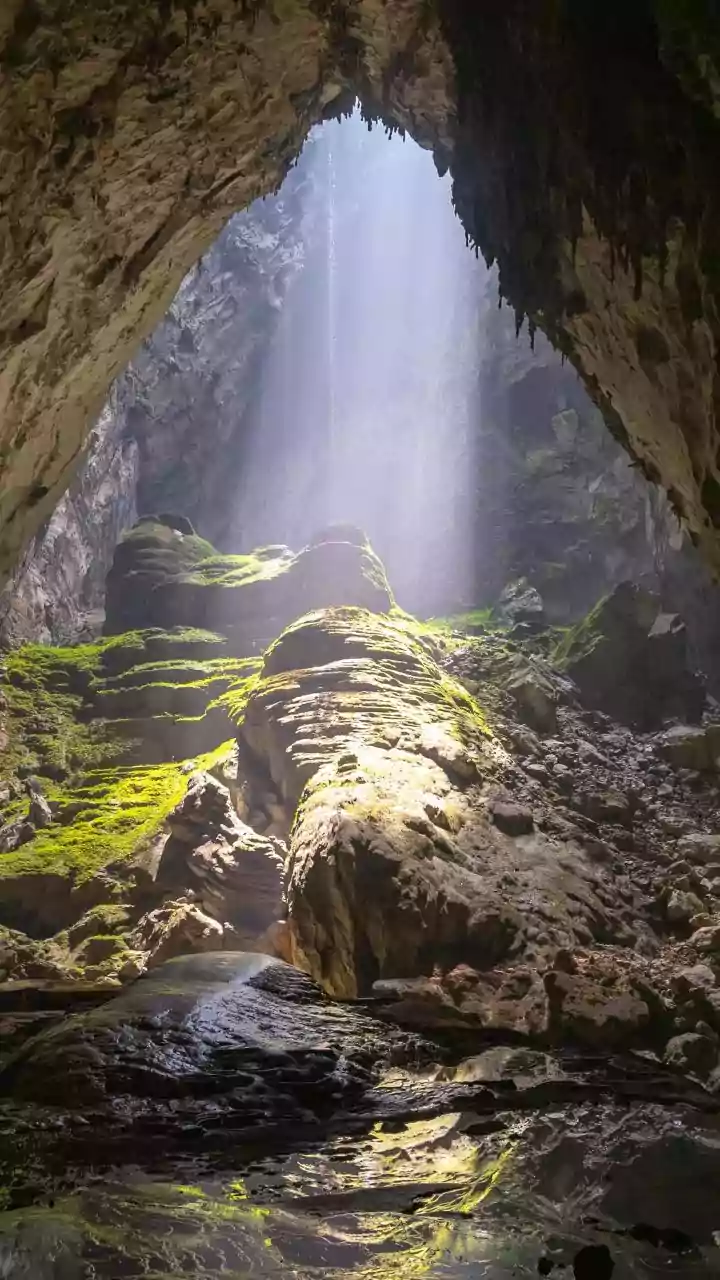
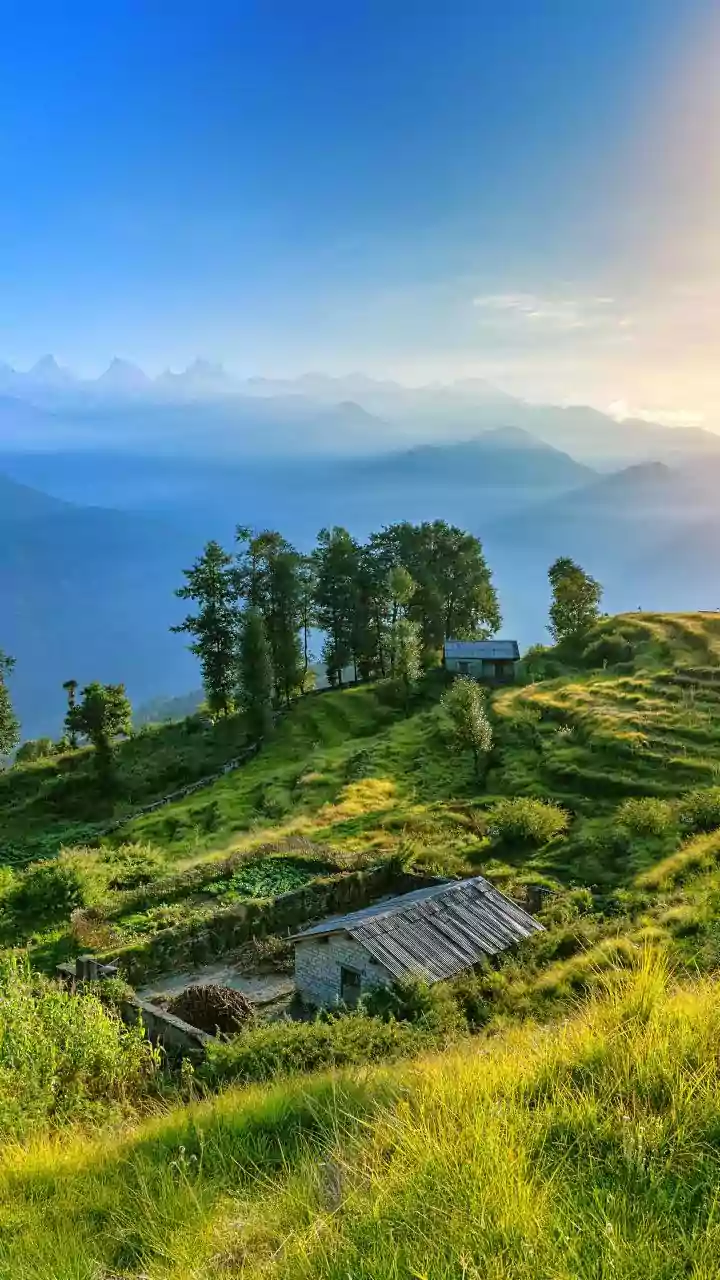
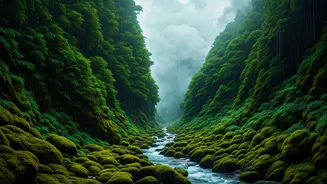
For nature lovers and photographers, the monsoon is a blockbuster event. The parched landscapes of summer give way to impossible shades of green. The Western Ghats, stretching through Maharashtra, Goa, Karnataka, and Kerala, become a paradise of roaring waterfalls, misty hills, and overflowing streams. Treks that might be dusty and hot in other seasons become invigorating adventures through clouds and cool air. Places like Coorg, Lonavala, or Munnar shed their tourist-season crowds and reveal a more dramatic, elemental beauty. It’s a chance to witness nature at its most powerful and vibrant, a spectacle far more memorable than a simple sunny day.
A Feast for the Senses
The monsoon brings with it a unique culinary calendar. It's the season of hot, crispy pakoras and samosas enjoyed with a steaming cup of masala chai as the rain falls outside. It’s when street vendors sell roasted corn on the cob (bhutta), seasoned with lime and chilli. Many regional cuisines feature specific dishes prepared only during this time, using seasonal vegetables and ingredients. Planning a trip around a culinary experience—whether it’s a food walk in a city like Mumbai or a stay at a homestay known for its local monsoon cuisine—turns a rainy day from a potential write-off into a delicious opportunity. It’s about savouring the comfort and warmth that food provides when the world outside is wet and cool.
The Luxury of Lower Costs and Fewer Crowds
Let’s be practical: travelling during the monsoon is also smarter for your wallet. As it’s considered the “off-season” in most tourist hotspots, flight tickets and hotel rates can drop significantly. This means you can afford a more luxurious stay for the same budget, or simply save a considerable amount of money. Beyond the financial benefits, the lack of crowds is a luxury in itself. Imagine having a popular viewpoint almost to yourself, or being able to walk through a historic lane without being jostled. This quieter, slower pace allows for a more intimate and authentic connection with a place, free from the frenzy of peak tourist season.