




The Source of the Problem
Before you can solve a damp problem, it helps to know where the moisture is coming from. Most often, it's a result of condensation. Everyday activities like cooking, showering, boiling a kettle, and even breathing release moisture into the air. When this
warm, moist air hits a colder surface, like a window or an exterior wall, it cools and releases the water, forming droplets. Poor ventilation traps this moist air inside, creating a perfect breeding ground for mould and mildew. In other cases, damp can be caused by structural issues like leaking pipes, a faulty roof, or rising damp from the ground, which may require professional assessment.
Let the Fresh Air In
The single most effective strategy against condensation is proper ventilation. The goal is simple: replace the stale, moisture-laden indoor air with fresher, drier air from outside. This doesn't mean you have to leave windows wide open all day. Creating a cross-breeze by opening windows on opposite sides of your home for just 15-20 minutes a day can make a significant difference. It's especially important to ventilate during and after activities that produce a lot of steam, like showering or cooking. Use exhaust fans in kitchens and bathrooms consistently, and let them run for a few minutes after you're done. Also, try to leave small gaps between large furniture and walls to allow air to circulate freely and prevent damp patches from forming in these stagnant spots.
The Role of Your Fabrics
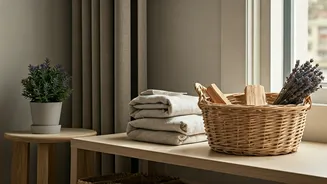
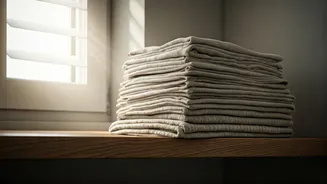
Textiles can be silent accomplices in a damp room. Many common household fabrics, particularly thick, natural fibres like cotton and some wools, are highly absorbent. Think of damp bath towels left on the floor, a pile of laundry waiting to be washed, or even thick carpets and heavy curtains. These items act like sponges, soaking up moisture from the air and holding onto it. This not only makes the room feel damper but can also lead to musty odours and mould growth within the fabric itself. When the air is humid, these fabrics struggle to dry out, perpetuating the cycle of dampness.
A Strategy for Dry Fabrics
Managing the fabrics in your home is a key part of controlling dampness. The first rule is to avoid leaving wet or damp textiles lying around. Hang towels up to dry immediately after use, preferably in a well-ventilated space. When possible, dry clothes outdoors. If you must dry them inside, place them in a single, contained room with a window open or a dehumidifier running. For damp-prone areas like bathrooms, consider fabrics that are less absorbent or dry quickly, such as microfiber or synthetic blends for bath mats. When it comes to clothes, lightweight, breathable fabrics like linen, light cotton, and certain technical blends are better choices in humid conditions as they allow moisture to evaporate more easily. In contrast, heavy denim and thick polyester can trap moisture and take a long time to dry.
Helpful Additional Measures
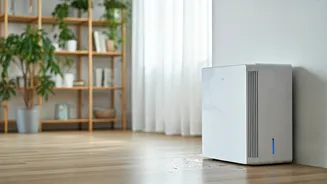
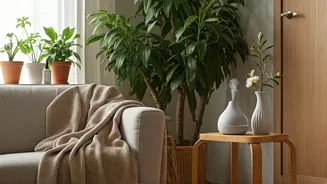
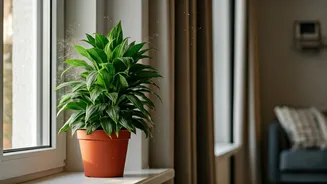
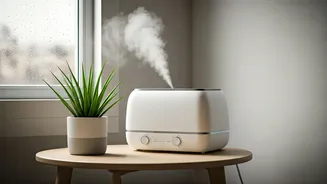
While air and fabrics are your primary tools, a few other habits can help. A dehumidifier can be an excellent ally, especially in persistently damp areas like basements or laundry rooms. It works by actively pulling moisture from the air and collecting it as water. Wiping down condensation from windows and walls in the morning also removes a significant amount of water from the room. Finally, be mindful of indoor plants; while lovely, over-watering them can contribute to indoor humidity. By combining these small, consistent actions, you can effectively manage moisture levels and ensure your home remains a dry, comfortable, and healthy space.