






The Data: A Clear Move Upmarket
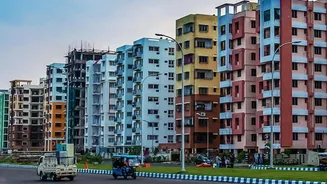
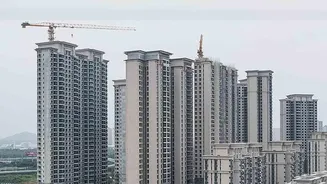
Recent market data paints a stark picture of the changing priorities in Indian real estate. According to a report from CareEdge Ratings, homes priced below ₹1.5 crore constituted only 47% of new launches in the top seven cities during the first quarter
of 2026. This is a dramatic drop from 85% in the same period of 2022. In contrast, the segment for homes priced between ₹1.5 crore and ₹4 crore has surged, now accounting for 44% of new launches, up from just 14% in 2022. The ultra-luxury market, with homes above ₹4 crore, has also expanded its share from 1% to 9% in the same timeframe. This clear statistical trend confirms that developers are strategically pivoting away from the affordable segment and concentrating their efforts on higher-value properties.
The Economic Rationale: Squeezed Margins
The primary driver behind this shift is simple economics. Building affordable homes has become significantly less profitable. Over the past few years, developers have been hit by a double whammy of soaring input costs and skyrocketing land prices. The cost of essential construction materials like steel, cement, and fuel has surged, with some industry estimates pointing to a 25% or more increase in overall construction costs since global supply chains were disrupted. According to ANAROCK research, while construction costs rose by 34% between 2021 and 2025, overall property values jumped by 59%, with much of that increase driven by land prices and other market factors. With such thin margins in the budget category, developers find it more financially viable to build premium projects where they can command higher prices and secure healthier profits.
The New Buyer: A Taste for Luxury
This supply-side shift is perfectly timed with a change in buyer demand. There is a growing and resilient appetite for premium properties. This demand is fueled by a confluence of factors, including rising disposable incomes, a desire for a better quality of life post-pandemic, and significant investment from Non-Resident Indians (NRIs) and High-Net-Worth Individuals (HNIs). The pandemic, in particular, reshaped preferences, with many buyers now prioritizing larger homes with dedicated workspaces, better amenities, and features that promote wellness. This affluent class of buyers is less sensitive to interest rate hikes and inflation, providing a stable and lucrative market for developers to tap into.
Consequences for Affordable Housing
The pivot to premium has significant consequences for the affordable housing sector and the millions of middle-class and lower-income families seeking a home. The dream of homeownership is becoming more distant for many, as the supply of budget-friendly options dwindles. What is currently defined as 'affordable' often means compact homes in poorly connected peripheral locations, a proposition many potential buyers find unsatisfactory. This creates a widening gap between the housing that is available and the housing that the majority of the population can actually afford, posing a challenge to national goals like 'Housing for All'. The urban family is now caught in a dilemma: compromise on quality and location in the budget segment or be priced out of the market entirely.