


The Science of Wet Hair
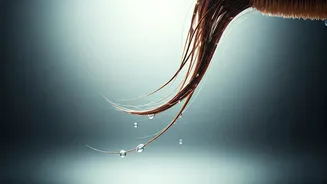
To understand why wet hair is so delicate, you need to think about its structure. Each strand of hair is protected by an outer layer called the cuticle, which looks like overlapping shingles on a roof. When hair gets wet, it absorbs water and swells.
This causes the cuticles to lift and separate, leaving the inner core of the hair (the cortex) exposed and vulnerable. A wet hair strand is also weaker because the hydrogen bonds that give it strength are temporarily broken by water. As a result, wet hair can stretch far more than dry hair—up to 30% of its original length. But stretching it past that point, which is easy to do with rough handling, leads to permanent, irreversible damage and breakage.
Ditch the Rough Towel Rub
The most common mistake happens right after you turn off the water. Vigorously rubbing your hair with a coarse cotton towel creates immense friction against those raised, vulnerable cuticles. This action not only roughs them up further, causing frizz and a lack of shine, but it can also physically snap the weakened hair strands. The 'patience' alternative is to gently squeeze or blot the excess water out. For an even better approach, swap your heavy bath towel for a soft microfiber towel or even an old, clean cotton t-shirt. These materials are much smoother and more absorbent, allowing you to remove moisture without creating damaging friction. The goal is to press, not punish.
Comb, Don't Brush
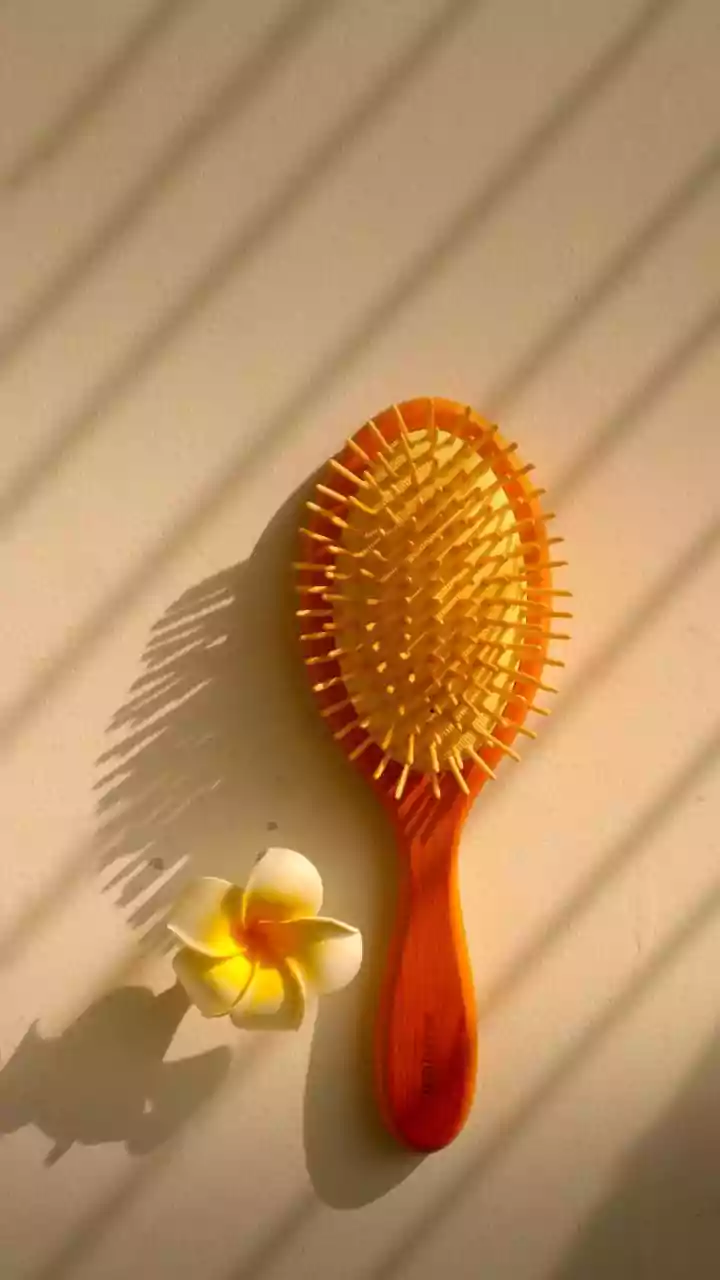
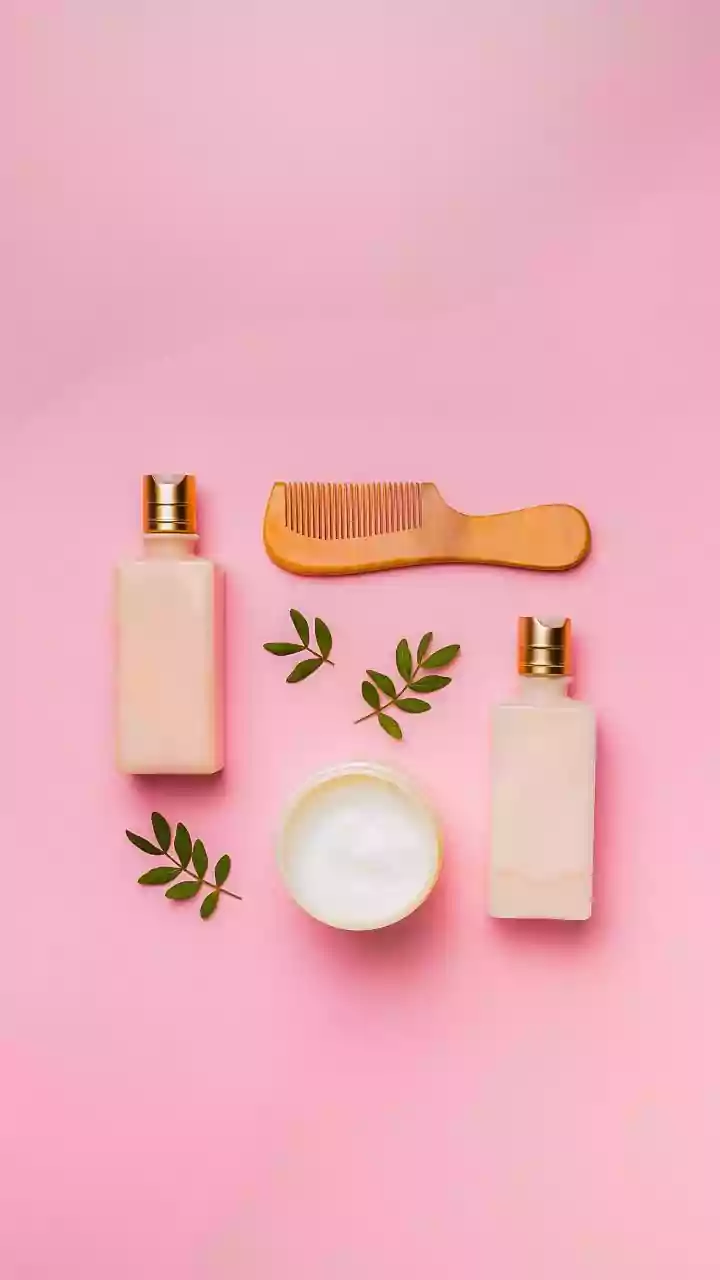
Reaching for your favourite paddle brush to detangle sopping wet hair is a recipe for disaster. The fine, tightly packed bristles of most brushes will snag on knots and, because wet hair is so elastic, they will stretch the strands to their breaking point before the tangle gives way. This is a primary cause of split ends and that frustrating mid-strand breakage that creates flyaways. Instead, wait until your hair is damp, not soaking. Apply a leave-in conditioner or detangling spray to provide 'slip', which helps knots loosen more easily. Then, use a wide-tooth comb, starting from the ends of your hair and slowly working your way up to the roots. This method gently coaxes out tangles without yanking and snapping the delicate strands.
Ease Up on the Heat
Applying high heat to soaking wet hair is another form of force. When you blast it with a blow-dryer on the highest setting, you are essentially flash-boiling the water trapped inside the hair shaft. This can cause the water to turn into steam and expand rapidly, creating tiny bubbles inside the hair that permanently damage its structure, a phenomenon known as 'bubble hair'. This leads to brittle, weak strands. The patient method is to let your hair air-dry as much as possible—ideally until it's about 70-80% dry—before introducing any heat. When you do blow-dry, use the lowest heat and speed setting that is effective for your hair type and always keep the dryer moving to avoid concentrating heat on one spot for too long.
Avoid Tight Hairstyles When Wet
Pulling wet hair into a tight ponytail, bun, or braid puts immense tension on the already-compromised strands and roots. As the hair dries, it shrinks back to its normal size, which tightens the style even further. This constant, intense pulling can lead to a specific type of hair loss called traction alopecia, where the hair follicles become damaged over time from stress. If you need to get your wet hair out of your face, opt for a very loose braid, a gentle clip, or a soft scrunchie that won't create tension. Better yet, let it hang free until it’s at least mostly dry.