





The Widespread Deficiency Paradox
Despite abundant sunshine, a significant portion of the Indian population has insufficient levels of Vitamin D. Factors like modern indoor lifestyles, high levels of air pollution that block UVB rays, and darker skin tones which synthesize Vitamin D less
efficiently all contribute to this health concern. Furthermore, many traditional Indian diets, especially vegetarian ones, are naturally low in Vitamin D, making it difficult to rely on food alone. This deficiency can lead to issues like bone pain, muscle weakness, and an increased risk of osteoporosis in adults and rickets in children.
Natural Vitamin D Sources in Indian Diets
While natural dietary sources are not abundant, some options exist. For non-vegetarians, fatty fish are the most potent source. Fish like Hilsa (Ilish), Mackerel (Bangda), and Sardines (Tarli) are excellent choices commonly found in Indian coastal markets. Egg yolks also provide a modest amount of Vitamin D and are a widely accessible option for eggetarians. For vegetarians, the options are more limited. Mushrooms, particularly those exposed to UV light, are one of the few plant-based sources that can generate Vitamin D. Some varieties like Shiitake can be a good addition to your meals. Dairy products like cheese and paneer made from fortified milk also contribute small amounts.
The Role of Fortified Foods
Fortification is the process of adding micronutrients to food, and it plays a critical role in bridging the Vitamin D gap. In India, you can find a growing number of foods fortified with Vitamin D, making it easier to increase your daily intake. This strategy is particularly important given the limited natural food sources available, especially for the large vegetarian population. Checking the product packaging for 'Fortified with Vitamin D' is key to making informed choices at the grocery store.
Finding Vitamin D in Your Breakfast Bowl
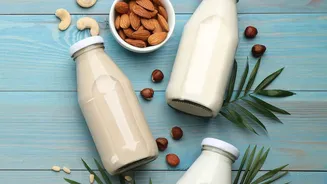
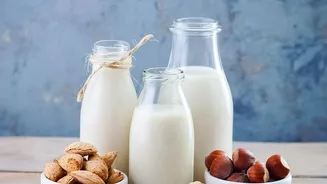
Breakfast offers a prime opportunity to consume fortified foods. Many brands of milk, both dairy and plant-based (like soy or almond milk), are now fortified with Vitamin D. A glass of fortified milk can provide a significant portion of your daily requirement. Pairing it with a fortified breakfast cereal can create a powerful combination. Many popular cereals, from cornflakes to muesli, have added Vitamin D. It's important to read the nutrition labels, as not all cereals are fortified, and sugar content can vary widely. Some brands of orange juice and yoghurt are also fortified, offering more variety to your morning meal.
A Smart Approach to Boosting Intake
Relying on a single source is often not enough. The most effective strategy combines several approaches. Aim for sensible, moderate sun exposure, as sunlight is the primary way our bodies produce Vitamin D. Incorporate naturally rich foods like fatty fish and eggs into your diet where possible. For vegetarians and vegans, focus on UV-exposed mushrooms and actively seek out fortified products. Pay close attention to food labels on milk, plant-based milks, cereals, and even some edible oils to ensure you are choosing products that will help you meet your nutritional goals.