

The Prime Directive: Prevent Waterlogging
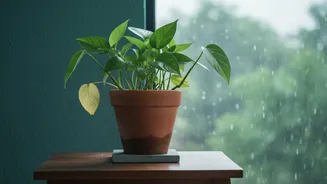
Waterlogging is the single biggest threat to your garden in August. When soil becomes completely saturated with monsoon rains, plant roots are deprived of the oxygen they need to survive. This leads to root rot, a condition where roots literally suffocate
and decay, often taking the whole plant with them. Most gardening advice for this month is, directly or indirectly, about preventing this very scenario. The goal is not just to water plants, but to ensure that excess water always has a way to escape.
Start with the Right Soil Mix
The first line of defense against waterlogging is the soil itself. Using heavy garden soil alone is a recipe for disaster in containers, as it compacts easily and retains too much water. The latest advice emphasizes creating a light, porous potting mix. A popular and effective formula is to combine soil with equal parts compost and a material that improves aeration, such as cocopeat, sand, or perlite. This blend provides nutrients from the compost while the other materials create air pockets, allowing water to drain through freely and preventing the soil from turning into a solid, airless block.
Elevate Your Pots and Planters
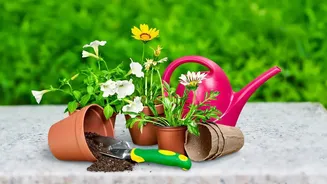
One of the simplest yet most effective August tips is to get your pots off the ground. When a pot sits directly on a flat surface, its drainage holes can easily become blocked by mud or simply sealed by surface tension. Elevating pots on stands, bricks, or even broken tile pieces creates a crucial air gap underneath. This ensures that water can exit freely after a heavy shower, preventing the pot from sitting in a puddle. It also improves air circulation around the base of the plant, further reducing the risk of fungal diseases that thrive in damp conditions. Remember to also empty any water that collects in the saucers beneath the pots.
Consider Raised Beds for Ground Planting
For those with garden beds on the ground, the principle of elevation still applies. Creating raised beds—mounds of soil elevated about 20-30 cm above ground level—is a highly recommended strategy. This technique is incredibly effective because it allows excess water to drain away from the primary root zone, regardless of how saturated the surrounding ground becomes. If creating raised beds isn't feasible, another useful trick is to dig shallow channels around your planting areas to guide excess water away from your plants.
August Planting with Drainage in Mind
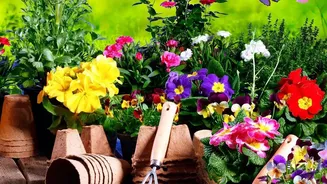
What you plant in August is just as important as how you plant it. This is an excellent time to sow seeds for flowers like marigolds and zinnias, and vegetables like spinach, radishes, and beans. Many of these are quick-growing and thrive in the monsoon's humidity. However, it's also wise to choose some plants that are naturally more tolerant of wet conditions, such as certain ferns or colocasia. For fruiting vegetables like tomatoes and chillies, which are also planted now, providing them with the best possible drainage is non-negotiable for a healthy harvest.
Pruning and Airflow: An Indirect Drainage Tactic
Good drainage isn't just about the soil; it's also about the air. High humidity and wet leaves are a major cause of fungal infections. Advice to prune away dead or diseased leaves and thin out dense growth is common for August. This isn't just for aesthetics. Pruning improves air circulation between the leaves and around the base of the plant. Better airflow helps leaves dry faster after rain, reducing the risk of fungal diseases like powdery mildew. Think of it as a form of 'air drainage' that complements your soil drainage efforts.