




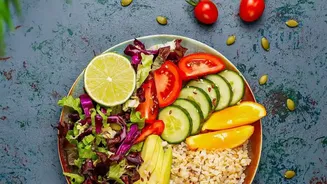

Swap White Rice for Millets
The resurgence of ancient grains is one of the biggest trends, with millets like jowar, bajra, and ragi leading the charge. They are packed with fiber, protein, and essential nutrients. Instead of plain white rice, try making a millet pilaf, khichdi,
or even millet dosa. This swap not only adds a nutty flavour and interesting texture but also supports better blood sugar control and digestion.
Replace Aloo Fillings with Paneer or Sattu
Our beloved aloo paratha is a breakfast staple, but it's heavy on carbs. For a serious protein upgrade, swap the potato filling with crumbled paneer, mashed rajma, or roasted gram flour (sattu). Paneer offers about 18-20g of protein per 100g, turning your paratha into a muscle-supporting meal. Sattu is another protein powerhouse, providing energy and fiber.
Switch to Greek Yogurt or Hung Curd
While homemade curd is fantastic for gut health, Greek-style or hung curd takes the protein content to the next level. Regular sweetened or flavoured yogurts can be high in sugar. Making the switch to plain Greek yogurt for your raitas, marinades, or side dishes can double your protein intake from that portion, helping you feel fuller for longer.
Trade Fried Snacks for Roasted Makhana or Chana
Evening chai often comes with fried snacks like samosas or bhujia. A healthier, crunchier, and increasingly popular alternative is roasted makhana (fox nuts) or chana (chickpeas). Once considered a fasting food, makhana is now a mainstream snack valued for being low in fat and a good source of protein and fiber.
Use Soya Chunks in Curries
For a vegetarian meal that is exceptionally high in protein, consider swapping out potatoes or other vegetables for soya chunks in your next curry. Soya chunks provide a remarkable 52g of protein per 100g, significantly more than most dals and vegetables. They absorb flavours beautifully, making them a versatile and budget-friendly addition to your meals.
Fortify Your Atta with Besan
An easy way to make your daily rotis more nutritious is to mix in some besan (gram flour) with your regular whole wheat atta. Besan is higher in protein and can improve the overall amino acid profile of your meal, especially when paired with dal. This simple addition doesn't drastically change the taste or texture but quietly boosts your daily protein intake.
Swap Sugary Chutneys for Yogurt-Based Dips
Sweet mango chutney and other sugar-laden condiments can add unnecessary calories to a meal. A smart swap is to opt for a refreshing, yogurt-based mint or herb dip instead. This not only cuts down on sugar but also adds a dose of protein and probiotics from the yogurt, complementing spicy dishes perfectly.
Choose Whole-Grain Bread Over White Bread
Whether for a quick breakfast toast or a lunchtime sandwich, swapping white bread for whole-grain, multigrain, or even sourdough versions is a significant upgrade. Whole grains offer more fiber, protein, and nutrients, and they are digested more slowly, preventing the sharp blood sugar spikes associated with refined flours.
Enrich Poha with Sprouts or Peanuts
Poha is a light and popular breakfast, but it can be made more substantial. Instead of preparing it with just onions and potatoes, add a handful of boiled moong sprouts, black chana, or roasted peanuts. This simple addition introduces more protein and fiber, making your breakfast more balanced and keeping you satisfied until lunch.
Opt for Tandoori over Creamy Curries
When ordering in or dining out, gravitate towards tomato-based or tandoori-style dishes like Jalfrezi or Tikka instead of creamy, fat-heavy options like Korma or Pasanda. Tandoori preparations use yogurt for marination and are cooked in a clay oven, offering lean protein with lots of flavour and significantly less fat than cream-based sauces.