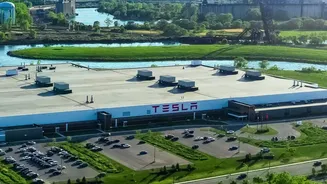





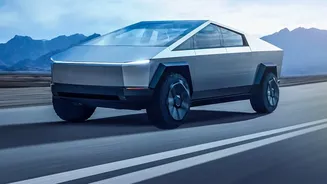
In a decisive shift, Tesla is reorienting its Texas Gigafactory to prioritize the Cybercab. This move signals a deliberate pivot away from a high-profile consumer product toward a futuristic, autonomous vehicle designed for a robotaxi network.
The End of the Cybertruck Era in Texas
Tesla CEO
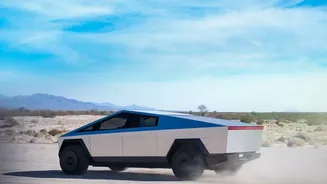
Elon Musk has confirmed that production of the iconic Cybertruck will be wound down at the Gigafactory in Texas around the middle of 2027. The production line will be dismantled to create more factory space and allocate resources for a significant ramp-up in Cybercab manufacturing. This move marks a major retreat for one of Tesla's most distinctive vehicles, which has faced challenges meeting commercial expectations. Sales of the Cybertruck in the U.S. fell by approximately 48% in 2025 compared to the previous year, with the trend continuing downward into 2026. While Musk noted that the order backlog for the Cybertruck is extensive, he stated that the company will not be able to fulfill all orders before the line is shut down and will have to return many deposits.
Meet the Cybercab: Tesla's Robotaxi
The Cybercab is Tesla's purpose-built vehicle for its autonomous robotaxi service. It is a compact, two-seat vehicle radically different from a conventional car, featuring no steering wheel and no pedals. First unveiled in 2024, mass production began at Giga Texas in April 2026. The vehicle is the physical key to Musk's long-held vision of a vast, driverless ride-hailing network. The service is already operational in several Texas cities, including Austin, Dallas, Houston, and as of November 9, 2026, a large 275-square-mile area in San Antonio. These services utilize a mix of modified Model Y vehicles and the new purpose-built Cybercabs, which first entered service in Austin in September 2026.
The Strategic 'Why' Behind the Shift
Elon Musk has explained the decision as a matter of resource allocation, specifically regarding talent and factory space. He emphasized that maintaining a complex production line and supply chain for the Cybertruck prevents the company from dedicating its 'smart, dedicated people' to scaling the Cybercab—a vehicle he believes will profoundly transform transportation. The move is a clear bet on the future profitability of autonomous services over vehicle sales. Musk clarified the decision isn't because the Cybertruck is unprofitable, but because the 'opportunity cost' of its complexity is 'vastly outweighed' by the value of increasing Cybercab production. This pivot aligns with his broader goal of transforming Tesla from an EV maker into a robotics and AI-focused company.
What This Means for Tesla's Future
Prioritizing the Cybercab is a gamble on achieving full autonomy and navigating the associated regulatory hurdles. The robotaxi service is already expanding its operating hours, pushing toward 21 hours a day in some areas to maximize vehicle utilization and data collection for its AI. This realworld data is crucial as the National Highway Traffic Safety Administration (NHTSA) has an open probe into the Cybercab's compliance with federal safety regulations, given its lack of manual controls. Furthermore, Tesla is already planning efficiency improvements for the Cybercab, with Musk mentioning a future version with a smaller, more efficient 40kWh battery pack. This production pivot is a tangible step, turning the robotaxi concept from a promise into a core manufacturing plan for the company's flagship factory.