



The Allure of Ziro Valley
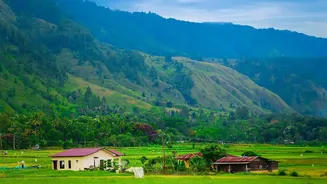
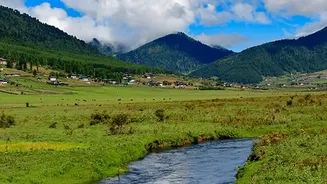
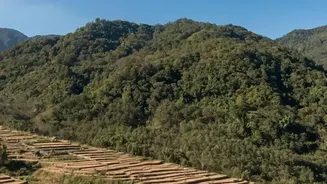
Nestled in the lower Subansiri district of Arunachal Pradesh, Ziro Valley is a soul-stirring landscape of sprawling rice paddies, misty pine-clad hills, and quiet villages. A UNESCO World Heritage Site candidate, the valley is renowned for the unique
culture of the Apatani tribe and their ingenious sustainable farming practices. For decades, this has been a destination for those seeking tranquillity and a glimpse into a way of life that exists in harmony with nature. Today, it attracts young explorers who are drawn not just by its beauty, but by the chance to travel with purpose, engage with the local community, and leave a minimal footprint on this pristine environment.
The First Step: Securing Your Inner Line Permit
Before you can even think about packing your bags, there is a crucial administrative step: obtaining an Inner Line Permit (ILP). This is a mandatory travel document for all Indian citizens who are not residents of Arunachal Pradesh. The ILP system is in place to regulate entry into this protected region, safeguarding its unique cultural heritage and ecological balance. Fortunately, the process has become straightforward. The easiest method is to apply online through the official government portal at eilp.arunachal.gov.in. You will need a government-issued ID like an Aadhaar card and a passport-sized photograph. The permit is typically issued for a specific duration, usually up to 30 days, so plan your application accordingly. While you can also apply offline at Arunachal Bhawan offices in major cities, the online process is the most efficient way to get this essential document sorted.
The Eco-Conscious Traveller's Mindset
Eco-friendly travel in Ziro is less about a checklist and more about a respectful attitude. The core principle is to minimise your environmental impact and maximise positive community interaction. This starts with simple actions like avoiding single-use plastics, carrying a reusable water bottle, and ensuring you dispose of all waste responsibly. Given the limited waste management infrastructure in remote areas, the best practice is to pack out what you pack in. Furthermore, responsible travel means respecting the local Apatani culture. Always ask for permission before taking photographs of people, especially elders, and dress modestly when visiting villages and sacred sites. Engaging a local guide not only enriches your experience with authentic insights but also directly supports the local economy.
Stay Local: The Homestay Experience
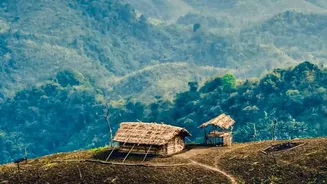
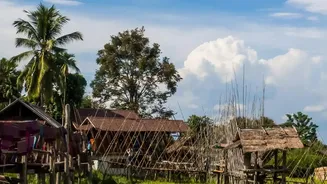
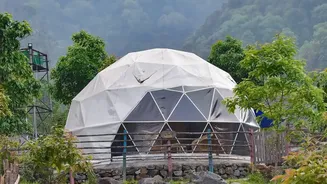
For a truly immersive and sustainable trip, skipping hotels in favour of local homestays is the way to go. Staying with an Apatani family offers an unparalleled window into their daily lives, traditions, and cuisine. These eco-friendly homestays, often traditional bamboo structures, blend seamlessly with the environment and are central to the community-based tourism model being promoted in the valley. Establishments often focus on sustainable practices like using local materials, serving farm-to-table meals, and sometimes even employing solar power or rainwater harvesting. It’s an approach that ensures your tourism money directly benefits the host family and the wider community, fostering a more equitable and authentic travel experience. You’ll leave not just with photos, but with memories of shared meals and genuine conversations by a traditional hearth.
Beyond the Music Festival
While the Ziro Festival of Music has rightfully put the valley on the map for many young Indians, the region’s appeal extends far beyond this one annual event. Planning a trip outside the festival season (usually September) allows for a quieter, more intimate experience. The best times to visit for pleasant weather are between September and May. This window avoids the heavy monsoon rains and allows for comfortable trekking and exploration. Visiting in the off-season helps reduce the strain on local resources that peak during the festival and gives you a chance to see the valley in its everyday, tranquil state. It’s an opportunity to walk through the paddy fields, explore the pine ridges, and truly connect with the peaceful rhythm of life that makes Ziro so special.