




The Essence of Janmashtami Fasting
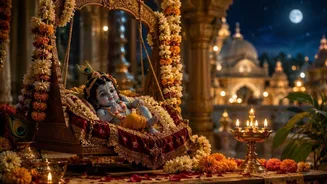
Janmashtami commemorates the birth of Lord Krishna, and for millions of devotees, observing a fast or 'vrat' is a central part of the celebration. The purpose of the fast goes beyond merely abstaining from food; it is an act of devotion intended to purify
the body and mind, reduce worldly distractions, and focus one's thoughts on Krishna. The rules can vary depending on family traditions and personal health. The strictest form is the 'nirjala' vrat, where devotees abstain from both food and water. A more common approach is the 'phalahar' vrat, which permits the consumption of fruits, milk products, and specific non-grain foods. This approach allows devotees to maintain their energy for prayers and celebrations, which often continue until midnight, the hour of Krishna's birth.
Lord Krishna’s Enduring Love for Dairy
The inclusion of dairy is directly linked to the stories of Lord Krishna's childhood in Vrindavan. He is famously known as 'Makhan Chor' or the butter thief. Tales abound of his playful antics, stealing freshly churned butter and sharing it with his friends. This divine play, or 'leela', has embedded milk, butter (makhan), and curd deep into the cultural fabric of Janmashtami. These items are not just food; they are symbolic of Krishna's innocent and joyous nature. Consequently, milk and its derivatives are considered auspicious offerings. Panchamrit, a sacred concoction of milk, curd, ghee, honey, and sugar, is used in rituals and distributed as prasad. Consuming dairy during the fast is a way for devotees to feel connected to Krishna's own cherished foods.
The Purity of a Phalahar Diet
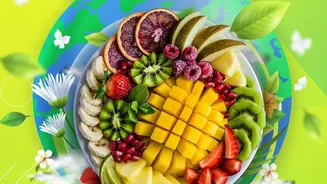
The term 'phalahar' literally translates to a diet based on fruits ('phal'). Fruits are considered a pure and natural food source, a direct gift from nature that requires minimal processing. In the context of a spiritual fast, they provide essential vitamins, fibre, and hydration without burdening the digestive system. The fasting diet, which excludes all grains, lentils, onions, and garlic, is designed to be light and easy to digest. This allows the body’s energy to be directed toward spiritual activities like prayer and meditation rather than heavy digestion. Fruits, being naturally sweet and refreshing, align perfectly with this principle, offering sustenance that is both simple and pure.
A Sattvic Approach to Spiritual Clarity
The Janmashtami fasting menu is a classic example of a 'sattvic' diet. Rooted in Ayurveda, a sattvic diet consists of foods that are believed to promote purity, calmness, and mental clarity. Foods are categorized into three gunas or qualities: sattvic (pure), rajasic (stimulating), and tamasic (dulling). Fruits, most vegetables, and dairy products like milk and ghee are considered highly sattvic. They are believed to nourish the body without agitating the mind. On the other hand, foods like onion and garlic are considered rajasic or tamasic and are avoided during fasts because they are thought to create mental restlessness. By adhering to a sattvic diet of fruits and dairy, devotees aim to create a state of inner peace and balance, which is ideal for devotion and spiritual reflection.
Traditional Fasting Dishes
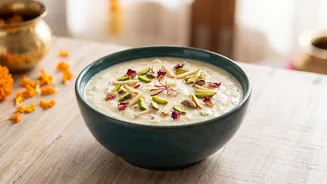
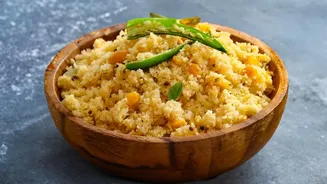
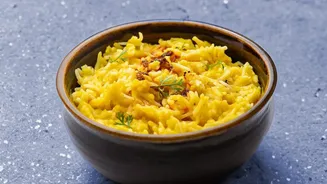
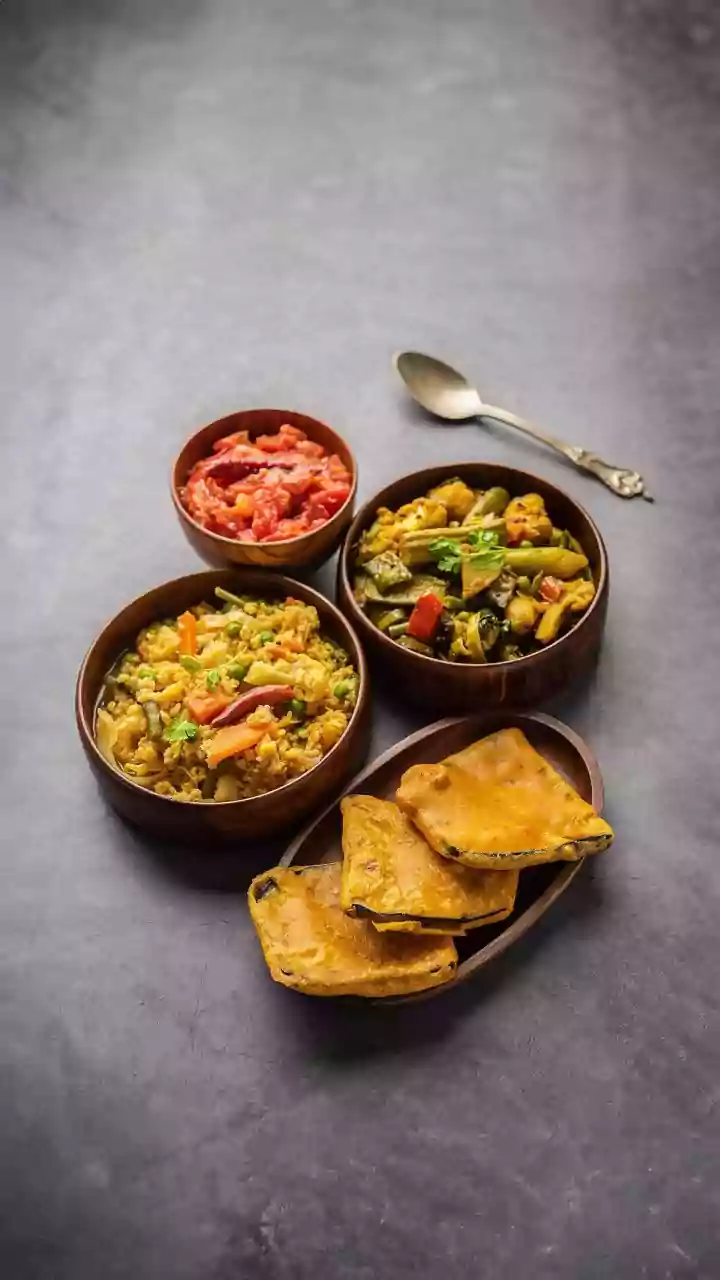
The combination of dairy and fruits, along with other permitted ingredients like fox nuts (makhana) and certain flours, gives rise to a variety of beloved fasting dishes. Makhana Kheer, a pudding made with fox nuts and milk, is a popular choice. Fruit salads, sometimes mixed with a little cream or curd, are simple yet satisfying. Sabudana (tapioca pearls), another vrat staple, is often cooked into a khichdi with potatoes and peanuts or made into a sweet kheer with milk. Sweets like Peda, made from condensed milk (khoya), are also prepared as offerings. These dishes are designed to be both delicious and compliant with the fast's rules, providing nourishment that is both spiritually pure and physically sustaining.